
AVN Hip joint, especially post covid and in young patients. How to avoid surgery?

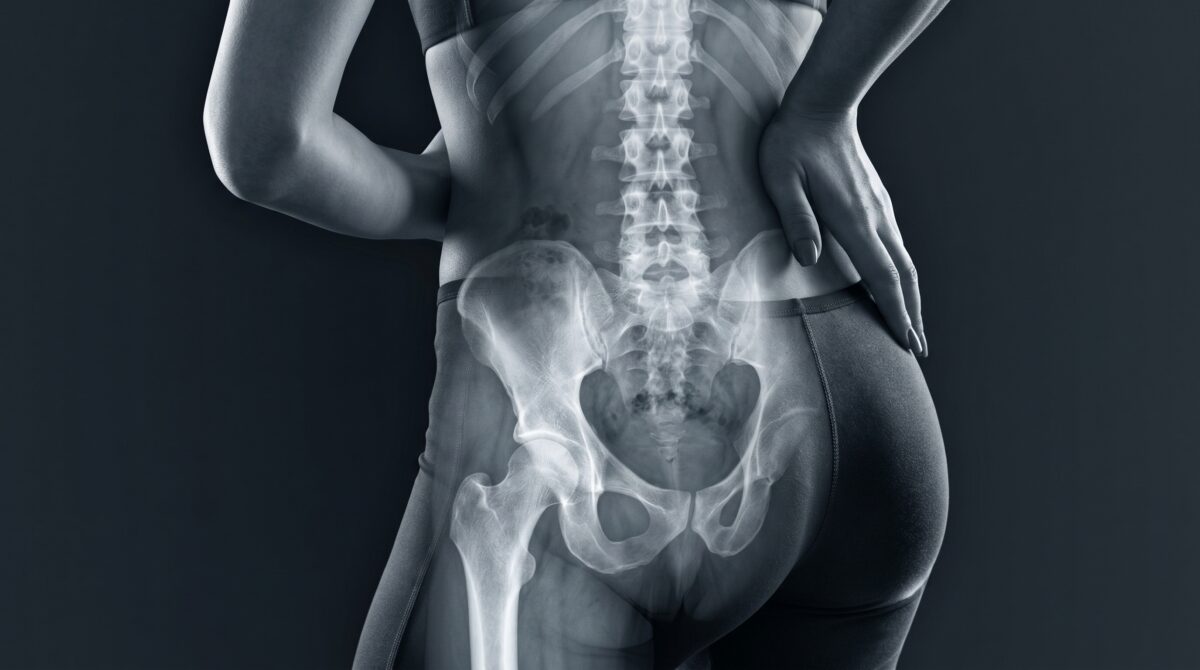
AVN Hip joint, especially post covid and in young patients. How to avoid surgery?
The incidence of Avascular Necrosis (AVN) of the hip joint has increased significantly in recent years, particularly among young adults recovering from COVID-19. Once considered a condition mainly affecting older individuals or patients with specific medical disorders, AVN is now being diagnosed more frequently in people in their 20s, 30s, and 40s. Early diagnosis and appropriate treatment are essential because timely intervention can often help preserve the natural hip joint and avoid surgery.
An Overview of Avascular Necrosis (AVN) of the Hip
Avascular Necrosis (AVN), also known as Osteonecrosis, is a condition in which the blood supply to the femoral head—the ball-shaped upper portion of the thigh bone that fits into the hip socket—is reduced or completely blocked. Since bone tissue requires a constant blood supply to remain healthy, a lack of circulation causes the bone cells to die gradually.
As the disease progresses, the affected bone becomes weak and may collapse. This collapse can damage the smooth cartilage covering the hip joint, leading to arthritis, severe pain, stiffness, and loss of mobility. If AVN is not detected and treated in its early stages, hip replacement surgery may eventually become necessary.
Why Has AVN Increased After COVID-19?
The incidence of Avascular Necrosis (AVN) of the hip joint has increased noticeably following the COVID-19 pandemic, particularly among young and middle-aged adults. One of the primary reasons for this rise is the widespread use of corticosteroids during the treatment of moderate to severe COVID-19 infections. While steroids play a crucial role in reducing inflammation and saving lives, prolonged use or high doses can negatively affect blood circulation within the femoral head, increasing the risk of bone tissue damage. In addition, COVID-19 itself is known to affect the vascular system. The infection can cause inflammation of blood vessels, abnormalities in blood clotting, and reduced oxygen delivery to various tissues, including bones. These changes may compromise the blood supply to the hip joint, creating conditions that can lead to AVN. Another concern is that many patients may not experience symptoms immediately after recovering from COVID-19. Hip pain and stiffness often develop several months later, delaying diagnosis and treatment. As a result, orthopedic specialists are now seeing a greater number of AVN cases in individuals who had previously been healthy and active. Early recognition of symptoms and timely Orthopedic surgeon in Ludhiana evaluation are essential to prevent progression of the disease and reduce the likelihood of requiring hip replacement surgery.
Factors Contributing to the Increase in AVN After COVID-19
- Extensive use of corticosteroids during COVID-19 treatment.
- Inflammation of blood vessels caused by the viral infection.
- Increased risk of blood clot formation affecting bone circulation.
- Reduced blood supply to the femoral head.
- Genetic and Hereditary higher susceptibility in some individuals.
Symptoms of AVN of the Hip
The symptoms usually develop gradually and may worsen over time. Common signs include:
- Persistent pain in the groin, hip, or thigh
- Discomfort while walking or standing
- Difficulty climbing stairs
- Stiffness in the hip joint
- Reduced range of motion
- Limping during walking
Many patients initially ignore these symptoms, leading to delayed diagnosis and progression of the disease.
Importance of Early Diagnosis
Early-stage AVN may not always be visible on standard X-rays. Therefore, MRI is considered the most effective imaging technique for detecting AVN before significant bone damage occurs.
Early diagnosis provides an opportunity to use joint-preserving treatments before the femoral head collapses.
How Can Surgery Be Avoided?
When AVN is identified in its early stages, several treatment options may help delay or even avoid hip replacement surgery.
Lifestyle and Activity Modification
Reducing excessive weight-bearing activities and following a guided rehabilitation program can decrease stress on the affected hip.
Medications
Certain medications may support bone health and improve circulation in selected patients.
Orthobiologic Treatments
Regenerative therapies such as Platelet-Rich Plasma (PRP), Bone Marrow Concentrate (BMC), and other orthobiologic treatments are increasingly being used in early-stage AVN. These therapies aim to stimulate healing and preserve the natural joint structure.
Expert AVN Care at Dr. N. K. Aggarwal Joints & Spine Centre
At Dr. N. K. Aggarwal Joints & Spine Centre, Dr. N. K. Aggarwal focuses on early diagnosis and personalized treatment strategies for AVN patients. Advanced imaging, minimally invasive procedures, and regenerative orthopedic therapies are utilized whenever appropriate to preserve the natural hip joint and maintain mobility.
Conclusion
AVN of the hip joint is a serious condition that can affect young individuals, particularly after COVID-19 infection or steroid treatment. However, early diagnosis can make a significant difference. With modern treatment approaches, including orthobiologic therapies and minimally invasive procedures, many patients can delay or avoid major surgery. If you experience persistent hip pain after recovering from COVID-19, consulting an orthopedic specialist at an early stage may help protect your joint and improve long-term outcomes.
Source :- https://hip-knee-surgeon.in/post-covid-avn-of-the-hip-joint-a-rising-concern/
https://www.manipalhospitals.com/mangalore/blog/avascular-necrosis-avn-in-post-covid-era/
https://theboneclinic.net/avascular-necrosis-avn-of-hip-symptoms-and-treatment-in-delhi/
https://aadicura.com/how-covid-19-can-damage-your-bones-avascular-necrosis-of-the-hip-joint/