
Early Warning Signs of Osteoarthritis You Should Never Ignore

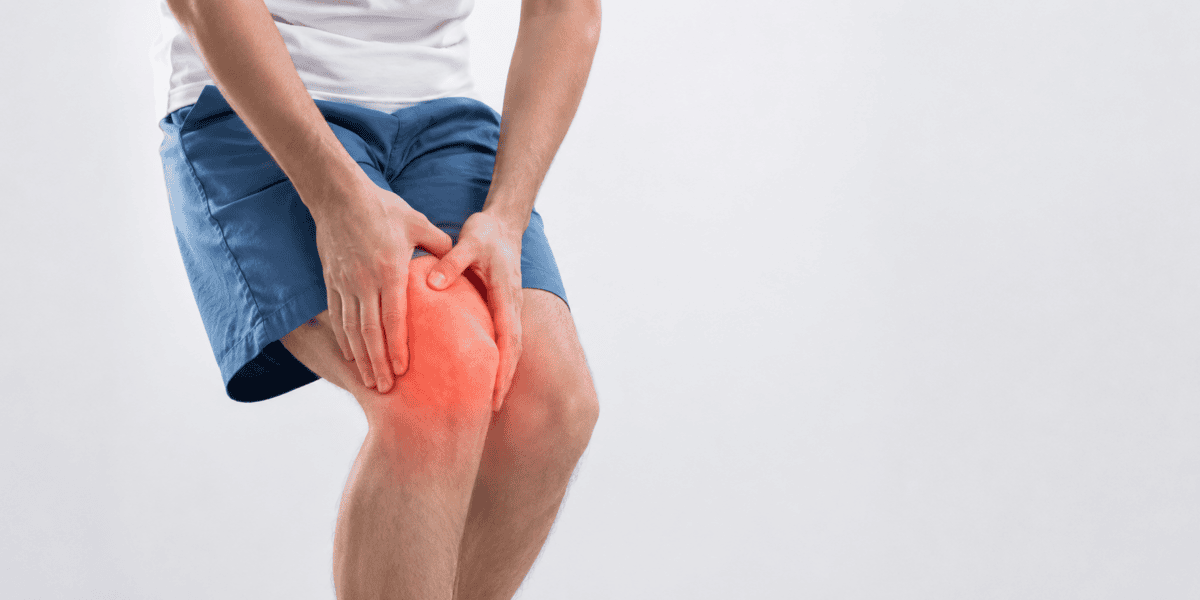
Early Warning Signs of Osteoarthritis You Should Never Ignore
Osteoarthritis is a chronic condition and constantly attacks the joints causing many symptoms, such as pain, stiffness and loss of function of the affected joints. Early OA may occur in younger people from previous injuries, obesity, repeated mechanical stress on the joint, or genetic susceptibility, and it is often associated with aging. With timely diagnosis and appropriate treatment, little or no joint damage may result, and they will be at lower risk of replacement.
Why Early Detection Is Important
Most people tolerate knee pain and stiffness as part of the ageing process or because of exercise. Any symptoms, however, should not be ignored if these symptoms persist. Early detection is the best time to successfully treat osteoarthritis, as the amount of cartilage damage may be minimal, and joint function may be maintained with conservative treatment. With early diagnosis, orthopedic physicians can create individualized treatment plans to help patients improve their mobility and obtain relief from pain and symptoms without immediate surgery, which supports patients to live a healthy lifestyle. Latest research has shown that modern treatments can slow down the process of aging of joints, reduce the pain and even put the disease into remission.
Common Osteoarthritis symptoms that need medical treatment.
- Ongoing Activity-Induced Knee Pain
Knee pain occurring during walking, climbing stairs and standing for lengthy periods is one of the earliest clinical symptoms in OA. At first, this pain goes away with rest, but becomes more routine and more severe over time.
- Joint Stiffness After Rest
One of the more common complaints of patients with early OA is that they have stiffness in the morning or after sitting for a long period of time. This stiffness tend to resolve with a little movement in about 20 to 30 minutes, but may recur after times of rest.
- Swelling and area tenderness
An inflammatory process may cause occasional pain, heat or swelling in the joint area around the knee. The results are, in most cases, a sign of early cartilage and tissue deterioration.
- Reduced Mobility
Limited extension of the knee may be indicative of ongoing cartilage wear, as well as pain with normal activities. They often complain of a limited ability to squat, kneel, etc., or about difficulty climbing the stairs.
- Grinding or clicking during movement
When a smooth cartilage surface becomes irregular, a grinding or crackling sensation also known as crepitus may occur. Other osteoarthritis symptoms involving pain, redness, inflammation, and/or crepitus should be referred for orthopedic evaluation, even though not always painful.
Early Diagnosis for Better Joint Health
Evaluation by clinical examination is the determining factor in diagnosing osteoarthritis. A thorough medical history, comprehensive physical examination, and appropriate imaging tests (with weight bearing radiographs if necessary) are used to determine the degree of cartilage degeneration. This will give the best chance of successfully managing the disease conservatively if OA develops early before the disease results in extensive joint damage.
Available Non-Surgical Therapies
Fortunately, most patients diagnosed early achieve excellent control of symptoms with modern non-surgical treatment methods. Treatment programs are tailored to the level of the symptoms, amount of activity and general health condition of the joint.
Conservative management that can include:
- Use fine-touch technique for supervised Physiotherapy to enhance flexibility, muscle strength and joint stability.
- Weight loss to reduce strain on the knee joint.
- Avoid repetitive stress on joints through lifestyle and activity.
- Anti-inflammatory analgesics should be avoided as much as possible.
- Intra-articular therapies for carefully selected patients, such as Knee wash, hyaluronic acid and Platelet-Rich Plasma, Platelet Derived Growth Factor injections.
- Swimming, cycling, and walking are low impact exercises and will help maintain joint.
Managing Osteoarthritis to Preserve Joint Function
It’s impossible to always prevent osteoarthritis but it may be possible to slow down wear and tear of joints when it occurs. Keeping the body properly weighted, strengthening exercises, avoiding overuse injuries to the joints and getting medical opinion early if such pain is persistent, are important steps to take to prevent knee pain. Injured patients should be evaluated orthopedically more promptly; if they have had prior ligament damages or tears to the meniscus, they should be assessed to limit further joint deterioration.
Conclusion
While osteoarthritis often can’t be prevented, its progress can be slowed and disease can be put in remission with modern treatment without the need for major joint replacement surgery Ludhiana. Important components to prevent knee pain include maintaining a healthy body weight, undergoing regular strengthening exercises, avoiding repetitive knee injury, and a medical evaluation if the knee pain persists. Orthopedic assessment should be mandated in a timely fashion in patients with previous ligament injuries and/or a meniscal tear to ensure future joint degeneration is minimised.
Source :- nore/https://pubmed.ncbi.nlm.nih.gov/31034380/https://pubmed.ncbi.nlm.nih.gov/31278997/
https://pubmed.ncbi.nlm.nih.gov/31908149/
https://pubmed.ncbi.nlm.nih.gov/32302218/
https://pubmed.ncbi.nlm.nih.gov/31278997/