Non-Surgical Hyaluronic Acid Therapy for Knee Pain
 veerpal sharma
on
December 2025
veerpal sharma
on
December 2025
Introduction: Understanding Knee Pain and Joint Degeneration
If you’ve been struggling with knee pain, you’re not alone. Millions of people experience knee discomfort that affects their ability to enjoy everyday activities and maintain an active lifestyle.
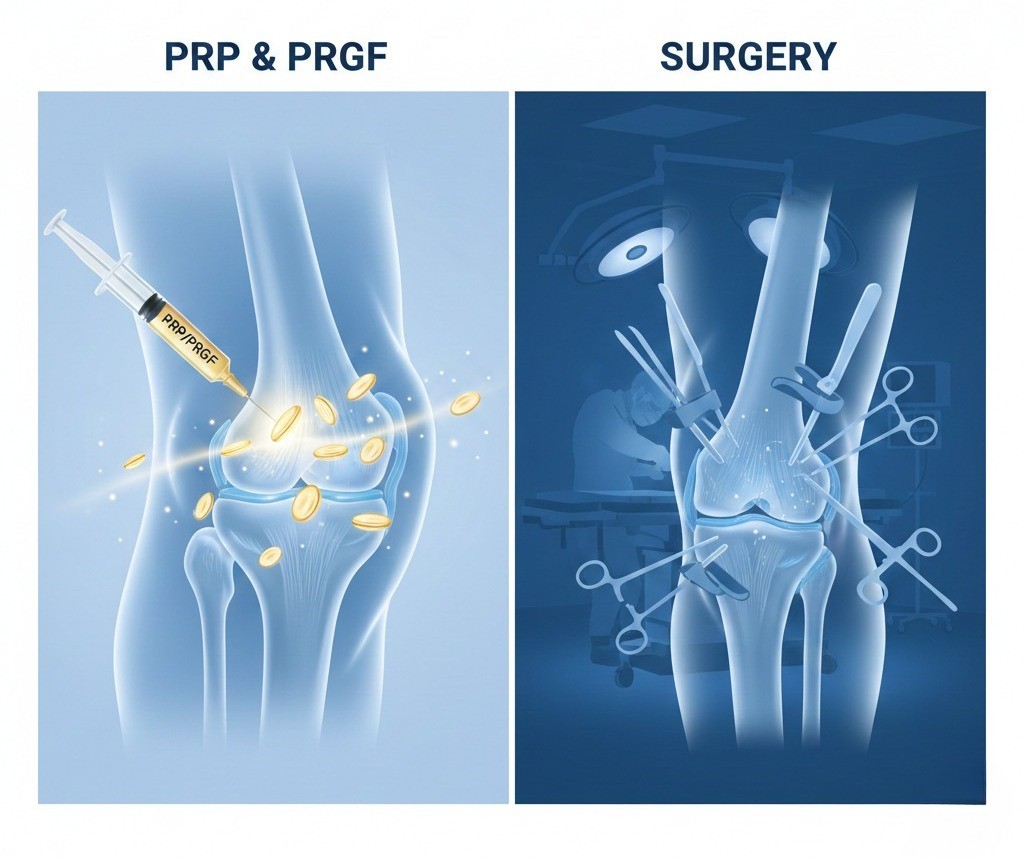
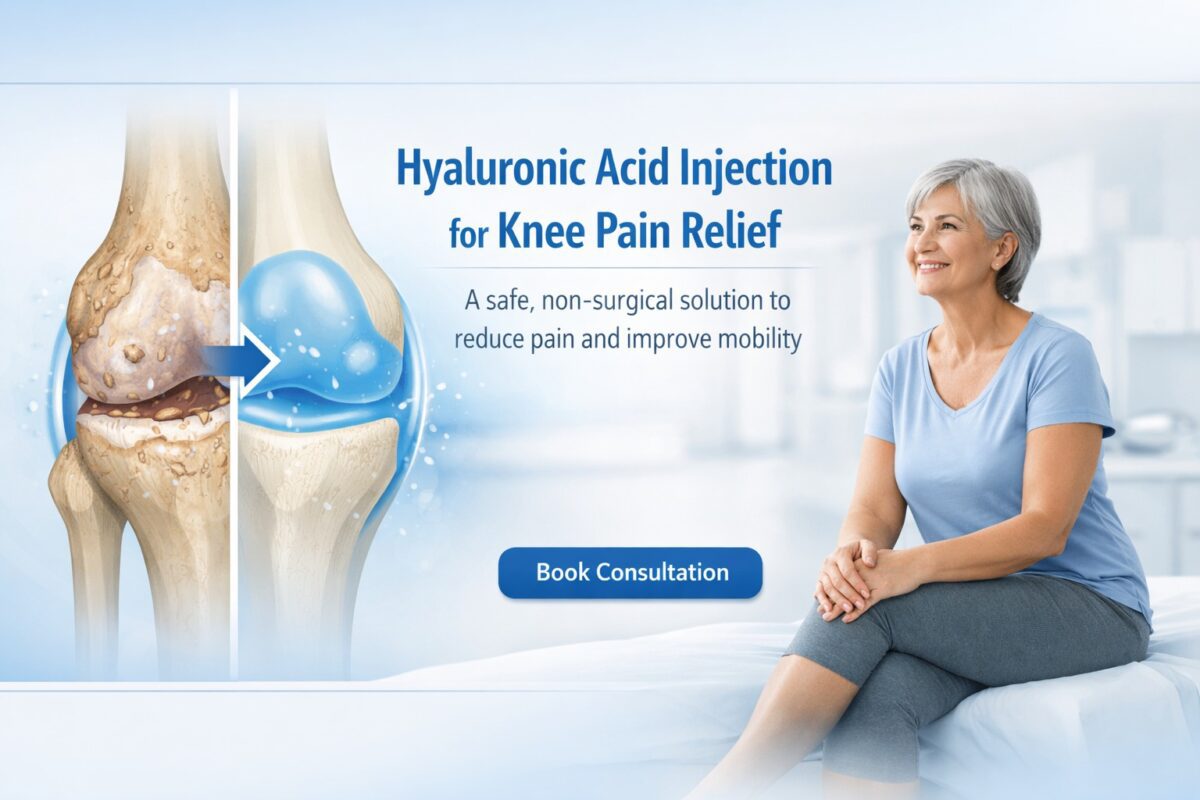
Simple activities like walking, climbing stairs, or even sitting for long periods become challenging. The cartilage in your knee joints gradually breaks down, reducing the natural cushioning because of reduced lubrication, that keeps movement smooth and pain-free.Fortunately, modern medicine offers effective, non-surgical solutions. One such breakthrough treatment has been Hyaluronic Acid Injection – a safe, minimally invasive option that helps restore knee function. To make this relief long lasting, it is usually combined with Knee Lavage to remove the debris, along with injections of the patient’s own Plasma Rich in Growth Factors and intra-articular ozone injections. This helps in reducing inflammation and restoration of the cartilage.
What Is Hyaluronic Acid and Why Is It Important for Knee Joints?
Hyaluronic acid is a naturally occurring substance found in the synovial fluid of healthy knee joints. It acts as a lubricant and shock absorber, allowing bones to glide smoothly during movement.
As we age or develop osteoarthritis, the quantity and quality of hyaluronic acid in the knee decrease. This leads to:
- Increased friction between joint surfaces
- Pain and stiffness
- Reduced range of motion
- Progressive cartilage damage
By replenishing hyaluronic acid through injections, we can help restore the natural protective environment of your knee joint.
How Hyaluronic Acid Injections Help in Knee Pain Relief
Hyaluronic acid injections work by supplementing the diminished natural fluid in your knee. Once injected, the solution:
- Lubricates the joint: Reduces friction and improves smooth movement
- Cushions the bones: Acts as a shock absorber during walking and physical activity
- Reduces inflammation: Helps calm irritated joint tissues
- Supports cartilage health: May slow down further degeneration
The treatment provides relief that can last several years, helping patients regain mobility and enjoy a better quality of life.
Benefits of Hyaluronic Acid Treatment for Knee Pain
Choosing hyaluronic acid injections for knee pain offers multiple advantages:
- Non-surgical treatment: Avoid the risks and recovery time of surgery
- Quick procedure: Completed in just 10–15 minutes in an outpatient setting
- Minimal downtime: Resume normal activities within a day or two
- Effective pain relief: Significant reduction in pain and stiffness
- Improved mobility: Better flexibility and range of motion
- Delays knee replacement: May postpone or even eliminate the need for surgery
- Safe and well-tolerated: Minimal side effects with proven safety profile
Patients often experience noticeable improvement within 2–4 weeks after the injection.
Who Is an Ideal Candidate for Hyaluronic Acid Knee Injections?
Hyaluronic acid injections are particularly beneficial for patients with:
- Early to moderate knee osteoarthritis
- Persistent knee pain despite medications and physiotherapy
- Joint stiffness and reduced mobility
- Active individuals seeking to maintain their lifestyle
- Patients who wish to avoid or delay knee replacement surgery
However, every patient is unique. A thorough evaluation by our orthopedic specialists at N.K. Aggarwal Joints and Spine Centre will determine if this treatment is right for you.