N K Aggarwal Joints And Spine Centre

Back Pain: Understanding Its Causes, Symptoms and Warning Signs

Back Pain: Understanding Its Causes, Symptoms and Warning Signs

Back pain is one of the most common reasons people experience difficulty with everyday movements. It may begin as stiffness after prolonged sitting, discomfort while bending or a dull ache after physical activity. In some patients, the pain becomes persistent, affects sleep or spreads from the lower back into the buttock and legs.

Although back pain is often associated with muscle strain, it can also arise from spinal joints, intervertebral discs, ligaments or irritation of the nerves. The location, duration and pattern of pain provide important clues about its possible origin.

At N K Aggarwal Joints & Spine Centre, Ludhiana, understanding these differences is an important part of evaluating patients with back pain. A careful clinical assessment helps distinguish common mechanical problems from conditions that may require further investigation.

Understanding Different Types of Back Pain

Back pain is not the same in every patient. It can be classified according to its location, causes, duration and associated symptoms.

Lower back pain: The most frequently affected region is the lumbar spine, which supports body weight and allows bending, twisting and lifting. Pain may remain localised or extend towards the buttocks.

Upper and middle back pain: Discomfort in the thoracic region may arise from muscular or joint-related problems. Persistent or unusual pain requires assessment to exclude other causes.

Acute back pain: Symptoms lasting less than six weeks are generally classified as acute. Many uncomplicated episodes improve over time.

Chronic back pain: Pain persisting for more than three months is considered chronic. It may involve several contributing factors, including physical, psychological and lifestyle-related influences.[1]

What Are the Common Causes of Back Pain?

Mechanical Back Pain

Mechanical back pain is commonly associated with muscles, ligaments, joints and movement-related loading of the spine. It may develop after repetitive bending, lifting, prolonged sitting or sudden physical exertion. Patients often describe stiffness after rest, pain during certain movements or discomfort that changes with activity.

Muscle and Ligament Strain

Sudden twisting, lifting heavy objects or repetitive physical work can strain the soft tissues supporting the spine. Symptoms may include localised pain, muscle tightness and restricted movement.

Disc Degeneration and Slip Disc

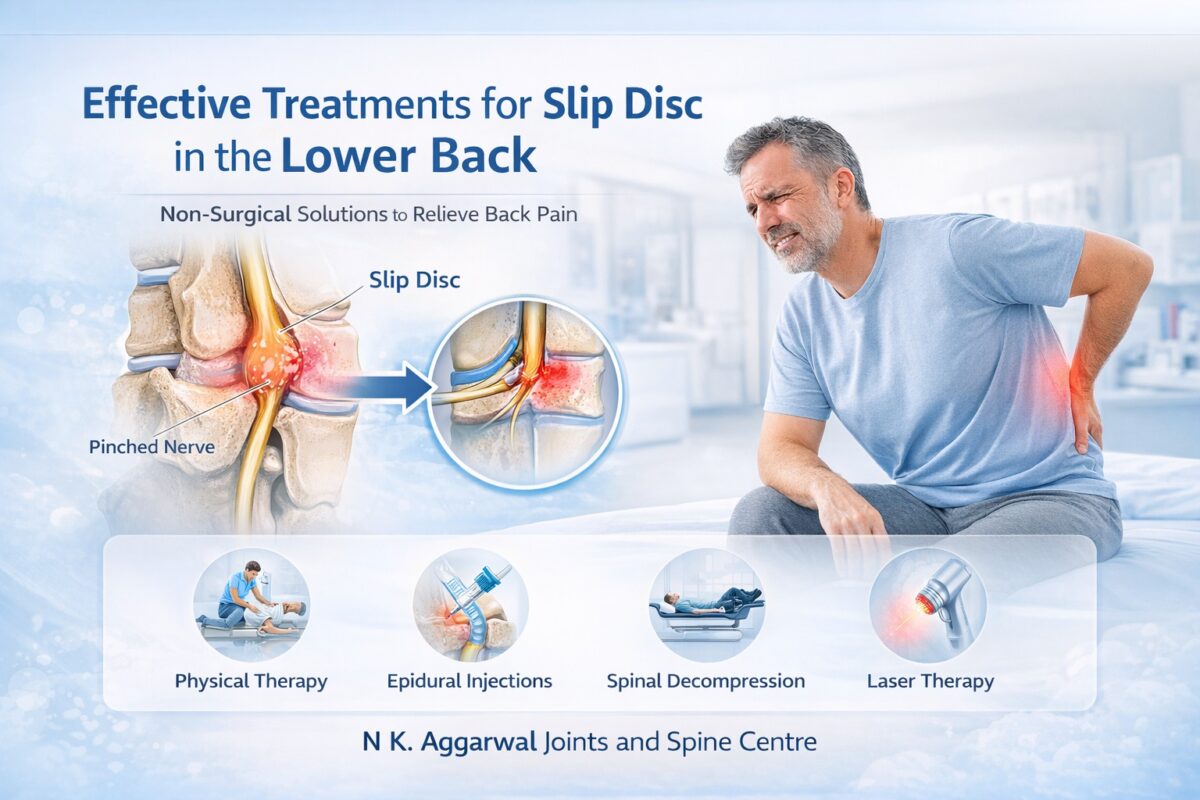
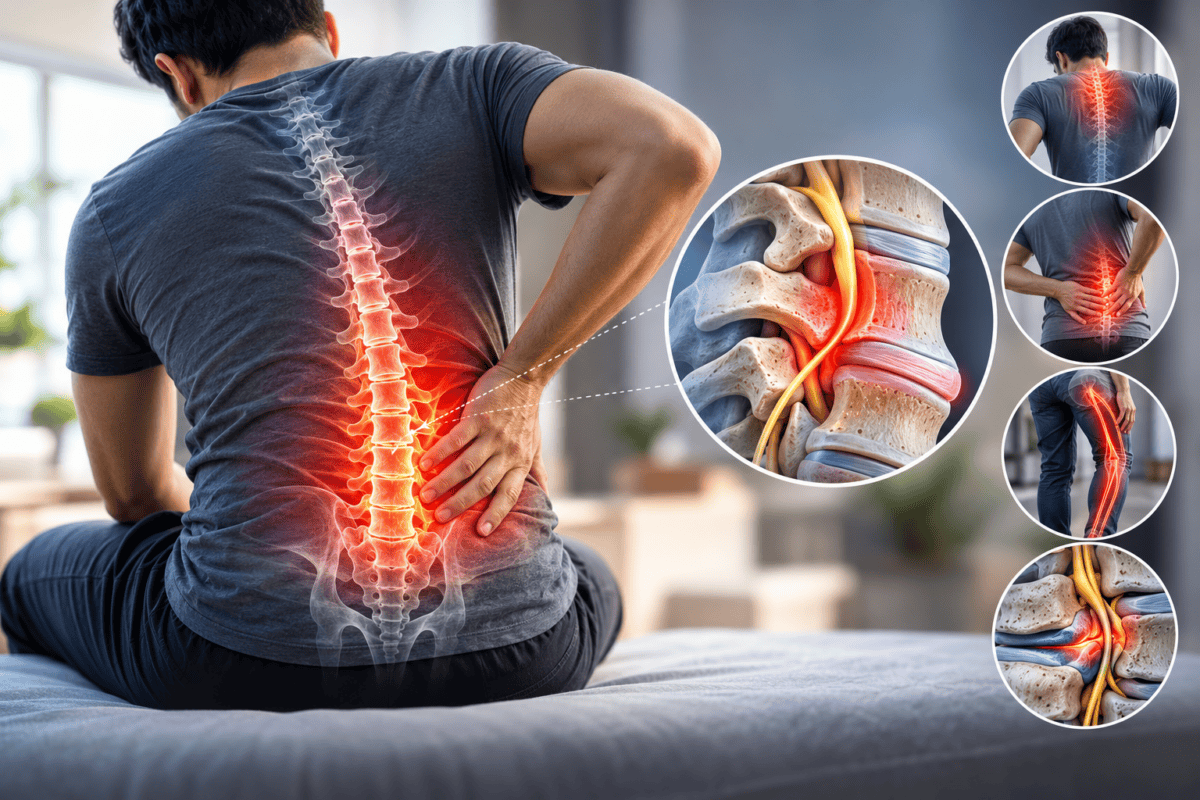
Intervertebral discs help distribute forces between the vertebrae. With age, these discs undergo structural changes that may sometimes contribute to back pain. A herniated disc, commonly called a slip disc, occurs when disc material extends beyond its normal boundaries. Depending on its position, it may irritate or compress a nearby nerve.

However, an MRI showing disc degeneration does not necessarily establish the cause of pain. A systematic review published in the American Journal of Neuroradiology found that degenerative spinal changes are common even in individuals without symptoms.[2]

Sciatica and Nerve Irritation

Sciatica refers to symptoms associated with irritation of nerve roots supplying the leg. Pain may travel from the lower back into the buttock, thigh, calf or foot. Patients may also experience tingling, numbness or weakness. These symptoms require evaluation to determine whether spinal nerve involvement is present.

Spinal Stenosis

Spinal stenosis involves narrowing of spaces around the spinal nerves. In some patients, it produces leg discomfort, heaviness or numbness during standing or walking, with relief after sitting or bending forward. This pattern is particularly relevant when evaluating older adults with persistent symptoms.

Symptoms That Help Identify the Nature of Back Pain

The characteristics of pain often provide useful clinical information:

  • Dull aching pain: May accompany muscular or mechanical back problems.
  • Stiffness after sitting: Can occur with several mechanical and degenerative conditions.
  • Sharp pain during movement: May be associated with strain or irritation of spinal structures.
  • Pain radiating into the leg: May suggest nerve-root irritation.
  • Tingling or numbness: Requires assessment for possible neurological involvement.
  • Difficulty standing or walking: May occur with persistent pain or certain spinal conditions.

No single symptom confirms a diagnosis. The overall pattern and examination findings are more informative than pain intensity alone.

Who Is More Likely to Develop Back Pain?

Back pain can affect people of all ages. Certain factors are associated with a greater likelihood of symptoms or recurrence. These include previous episodes of back pain, repetitive lifting, prolonged sedentary activity, low physical activity, excess body weight and physically demanding work.

Psychological stress and poor sleep may also influence how pain is experienced and how long it persists. Back pain is often multifactorial rather than the result of one identifiable structural abnormality.[1]

When Should Back Pain Be Taken Seriously?

Most episodes of back pain are not medical emergencies. However, some symptoms require urgent evaluation.

Seek emergency medical care if back pain is accompanied by new difficulty like passing urine, loss of bladder or bowel control, numbness around the groin or saddle area, or rapidly progressive weakness in one or both legs. These symptoms may indicate serious nerve compression.

Back pain associated with significant trauma, fever, unexplained weight loss or a history of cancer also warrants prompt medical assessment.[3]

Persistent pain that interferes with work, walking or sleep should be evaluated even when emergency symptoms are absent.

How Is Back Pain Diagnosed?

Evaluation begins with the patient’s medical history and a physical examination. The clinician assesses the location and duration of pain, movements that aggravate symptoms, spinal mobility and possible neurological changes.

When indicated, examination may include muscle strength, reflexes, sensation and nerve-related tests.

X-rays and MRI scans are not necessary for every patient. Imaging is considered when the clinical findings suggest a specific condition or when the results are likely to influence management.[3] The relationship between symptoms, examination findings and imaging is essential for an accurate clinical assessment.

A Brief Overview of Back Pain Management

Management depends on the underlying cause and the patient’s functional limitations. Depending on the clinical findings, options may include activity guidance, structured rehabilitation, medication or selected specialist interventions.

Most uncomplicated episodes do not require surgery. Persistent neurological symptoms or significant nerve compression may require further assessment. Individual treatment options, including physiotherapy, injections and surgical procedures, are best discussed separately according to their specific indications.

Back Pain Assessment in Ludhiana

At N K Aggarwal Joints & Spine Centre, Ludhiana, the clinical priority is to identify the likely source of back pain and distinguish mechanical discomfort from disc-related or neurological conditions.

Patients experiencing recurring lower back pain, persistent stiffness, radiating leg pain or changes in sensation should consider a specialist assessment. Understanding the nature of the problem helps determine whether additional investigations or treatment are appropriate.

Medical References

[1] World Health Organization. WHO guideline for non-surgical management of chronic primary low back pain in adults in primary and community care settings. 2023.

https://www.who.int/publications/i/item/9789240081789

[2] Brinjikji W, Luetmer PH, Comstock B, et al. Systematic literature review of imaging features of spinal degeneration in asymptomatic populations. American Journal of Neuroradiology. 2015;36(4):811–816.

https://pubmed.ncbi.nlm.nih.gov/25430861

[3] National Institute for Health and Care Excellence. Low back pain and sciatica in over 16s: assessment and management. NICE Guideline NG59.
https://www.nice.org.uk/guidance/ng59/chapter/recommendations

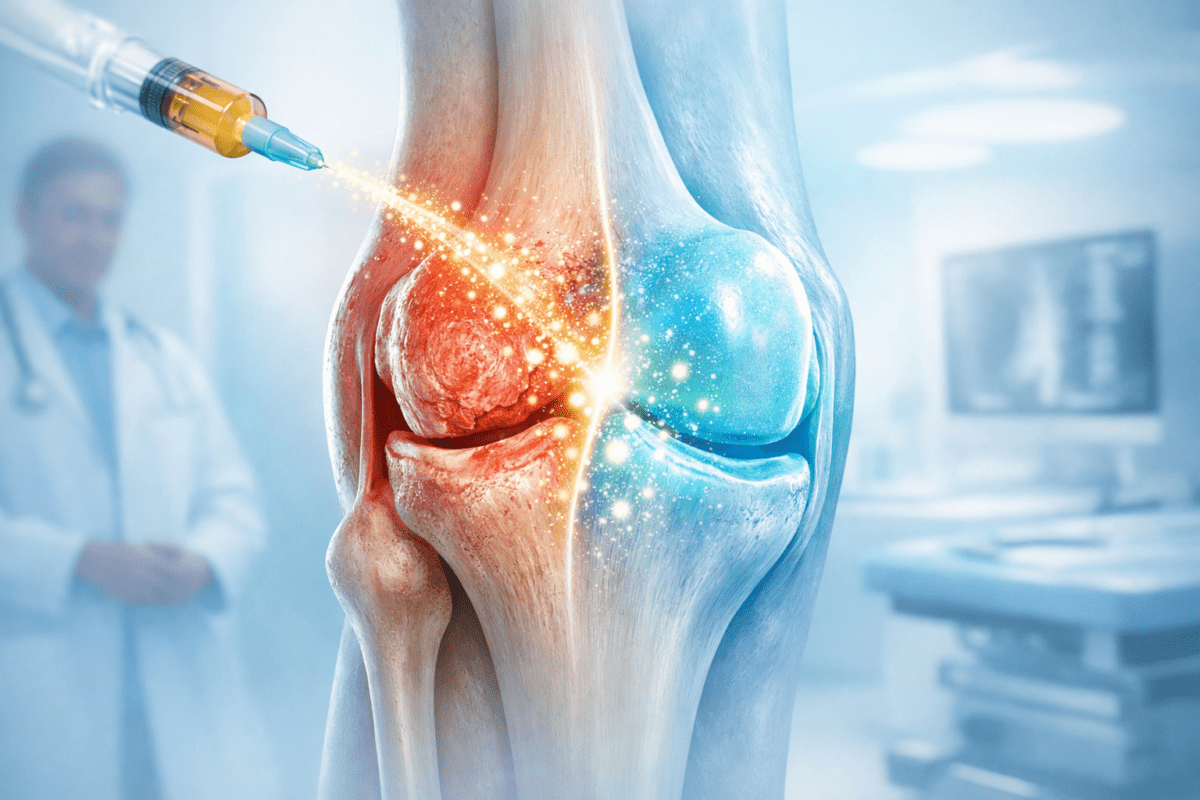
prp vs steroid injection for knee pain which joint treatment is better

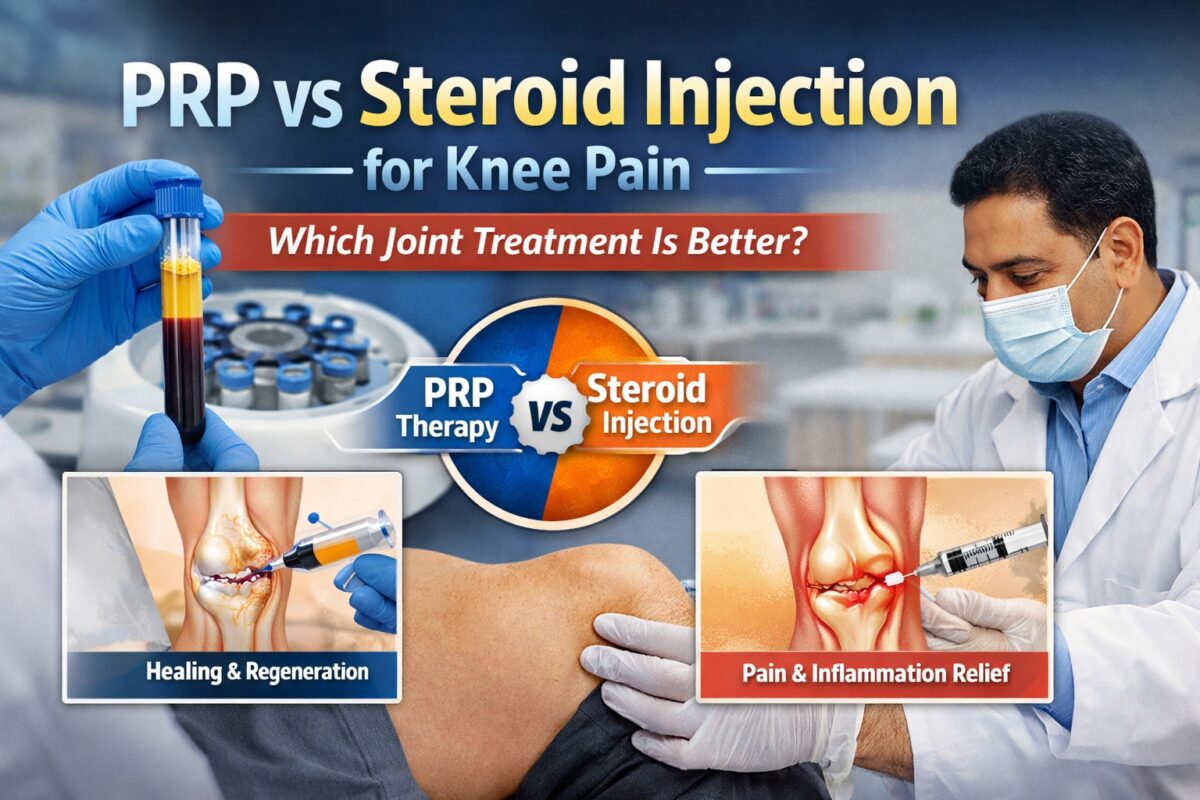
Difference Between PRP/PRGF and Steroid Injection

Understanding Joint Pain and Injectable Treatments

Joint pain, especially knee pain, is one of the most common complaints among patients visiting orthopaedic clinics today. Whether it is caused by age-related wear and tear, sports injuries, or early arthritis, chronic joint discomfort can severely affect daily activities and quality of life. When conservative treatments like physiotherapy and oral medications do not provide adequate relief, doctors often recommend injections as part of the treatment plan. Two of the most commonly discussed options are steroid injections and PRP/PRGF therapy. Understanding the difference between these two approaches can help patients make informed decisions about their care.

What Are Steroid Injections?

Steroid injections, also known as corticosteroid injections, have been used in orthopaedics for decades. These injections contain powerful anti-inflammatory medications that are delivered directly into the affected joint. They work by reducing inflammation and swelling, which in turn provides rapid relief from pain. Steroid injections are particularly effective for managing acute flare-ups of arthritis, bursitis, or tendonitis. Many patients experience significant pain reduction within a few days, and the relief may last anywhere from a few weeks to few months. However, steroid injections do not repair damaged tissues or address the underlying cause of joint degeneration. Repeated use over time may also have potential side effects on cartilage and bone health, which is why orthopaedic specialists typically limit the frequency of these injections.

What Is PRP/PRGF Therapy?

PRP (Platelet-Rich Plasma)/PRGF (Plasma Rich in Growth Factors) therapy, represents a newer approach in the field of regenerative orthopaedics. Unlike steroid injections, PRP/PRGF is prepared from the patient’s own blood. A small blood sample is drawn and processed in a centrifuge to concentrate the platelets, which are rich in growth factors. These growth factors play a vital role in tissue healing and regeneration. When injected into the injured or degenerated joint, PRP/PRGF aims to stimulate the body’s natural healing processes, promote tissue repair, and reduce inflammation over time. PRP/PRGF treatment for knee pain and other joint conditions is gaining popularity because it supports long-term healing rather than just masking symptoms.

Key Differences Between PRP/PRGF and Steroid Injections

The key differences between PRP/PRGF and steroid injections lie in their mechanisms and goals. Steroid injections provide quick symptomatic relief by suppressing inflammation, while PRP/PRGF works gradually to encourage natural tissue regeneration. Steroid injections may offer faster pain relief, but the effect is often temporary. PRP/PRGF, on the other hand, may take a few weeks to show noticeable improvement, but many patients experience longer-lasting benefits, especially in cases of early arthritis and joint degeneration. Additionally, because PRP/PRGF uses the patient’s own biological material, it is considered a safer option with minimal risk of adverse reactions.

Choosing the Right Treatment

For patients seeking knee pain treatment in Ludhiana, consulting an experienced orthopedic surgeon in Ludhiana is essential. The choice between PRP/PRGF and steroid injections depends on several factors including the type and severity of the condition, the patient’s age, activity level, and overall health. A thorough clinical evaluation, supported by imaging studies when necessary, allows the best orthopedic regenerative doctor in Punjab to tailor a treatment plan that suits individual needs. Both PRP and steroid injections have their place in modern orthopaedic care. The decision should always be guided by expert advice, proper diagnosis, and realistic expectations about outcomes and recovery timelines.

Regenerative Orthopedics: The Future of Joint Treatment Without Surgery

Joint pain can seriously affect your quality of life, making everyday activities like walking, climbing stairs, or even sitting down painful and difficult. For decades, the standard approach to treating joint problems relied on pain medications, physical therapy, or ultimately surgery. However, medical science has advanced significantly, and regenerative orthopedics is emerging as a game-changing option that focuses on helping your body heal naturally rather than simply covering up symptoms.

Understanding Regenerative Orthopedics

Regenerative orthopedics taps into your body’s own healing power to repair damaged joints and tissues. Rather than depending only on medications that offer temporary relief, these cutting-edge treatments work at the cellular level to trigger natural recovery. Therapies like Platelet-Rich Plasma (PRP) and other biologic treatments use growth factors from your own blood to jumpstart tissue repair, decrease inflammation, and restore joint function.

Conditions That May Benefit:

  • Chronic knee pain and stiffness
  • Early to moderate osteoarthritis
  • Cartilage damage and degeneration
  • Tendon and ligament injuries
  • Sports-related joint issues
  • Degenerative conditions in shoulders, hips, and ankles

Major Advantages of Regenerative Treatments:

  • Non-surgical solution: Avoid the risks and potential complications of major surgery
  • Quicker recovery: Get back to your normal routine much faster than with traditional surgical procedures
  • Less reliance on pain meds: Reduce dependency on medications that can cause unwanted side effects over time
  • Works with your body: Harnesses your natural healing processes
  • May postpone or prevent surgery: When caught early and paired with proper rehabilitation and lifestyle changes

The Importance of Early Intervention

Success with regenerative treatments really depends on choosing the right candidates and catching problems early. These therapies deliver the best results when joint damage hasn’t progressed too far, which is why getting evaluated sooner rather than later is critical. Delaying treatment may diminish how well regenerative options work and narrow your treatment possibilities down the road.

Selecting the Right Specialist:

Your doctor’s expertise plays a huge role in your outcomes. When looking for knee pain treatment in Ludhiana or exploring advanced joint care solutions, consider:

  • A highly qualified orthopedic surgeon in Ludhiana with extensive National and International experience, in both traditional and regenerative methods
  • Comprehensive diagnostic capabilities and thorough evaluation
  • Transparent communication with realistic expectations
  • Personalized treatment plans tailored to your specific condition
  • Current knowledge of the latest regenerative techniques and research

Finding the best orthopedic regenerative doctor in Punjab means partnering with someone who brings together clinical expertise and advanced treatment know-how to deliver comprehensive, patient-centered care.

Your Path Forward

Regenerative orthopedics offers real hope for patients looking for alternatives to surgery or dealing with ongoing joint issues. These treatments bridge the gap between basic conservative care and invasive procedures, giving you more control over how you address your joint health.

At N. K. Aggarwal Joints and Spine Centre in Ludhiana, patients benefit from state-of-the-art regenerative treatment options combined with personalized attention and clinical excellence. If you’re struggling with persistent joint pain or you’ve been told surgery is your only option, investigating regenerative therapies with a skilled specialist could unlock new pathways to recovery and a better quality of life. The future of joint care is already here, emphasizing genuine healing over just symptom management.

Shoulder Injury: Causes, Symptoms & Treatment Options in Ludhiana

Shoulder pain is one of the most common musculoskeletal complaints that brings patients to seek medical attention. Dr. N. K. Aggarwal, a leading orthopedic surgeon in Ludhiana, has helped countless patients recover from various shoulder injuries and regain their quality of life.

Understanding Shoulder Injuries

The shoulder is the body’s most mobile joint, which makes it particularly vulnerable to injury. This complex structure comprises bones, muscles, tendons, and ligaments working together to provide an extensive range of motion. When any of these components are damaged, it can significantly impact your daily activities and overall well-being.

Common Causes of Shoulder Injuries

Shoulder injuries can result from various factors. Sports activities involving overhead motions such as swimming, tennis, and baseball frequently cause shoulder problems. Traumatic events like falls, direct blows, or automobile accidents can lead to fractures, dislocations, or soft tissue damage. Age-related wear and tear often results in conditions like rotator cuff tears and arthritis. Additionally, repetitive movements in certain occupations or poor posture over time can gradually damage shoulder structures.

Recognizing the Symptoms

Identifying shoulder injury symptoms early is crucial for timely treatment. Common warning signs include persistent pain that worsens with movement or at night, reduced range of motion making it difficult to reach overhead or behind your back, weakness when lifting or carrying objects, swelling or tenderness around the joint, a popping or clicking sensation during movement, and shoulder instability or a feeling that the joint might slip out of place.

Treatment Options Available

At the best orthopedic hospital in Ludhiana, N. K. Aggarwal Joints and Spine Centre offers comprehensive treatment approaches tailored to each patient’s specific condition.

Conservative treatments are often the first line of defense, including rest and activity modification to allow healing, physical therapy to strengthen muscles and improve flexibility, anti-inflammatory medications to reduce pain and swelling. Advanced Orthobiologic treatments like injections of PRP and Autologous Growth Factor Concentrate, for reducing inflammation and setting in a process of healing and regeneration of torn structures are also extremely helpful and are routinely given at N K Aggarwal Joints and Spine Centre.

Avoid knee replacement non surgical treatment

Knee Replacement Can Be Avoided with Non-Surgical Treatment, Says Dr. N. K. Aggarwal

Chandigarh:

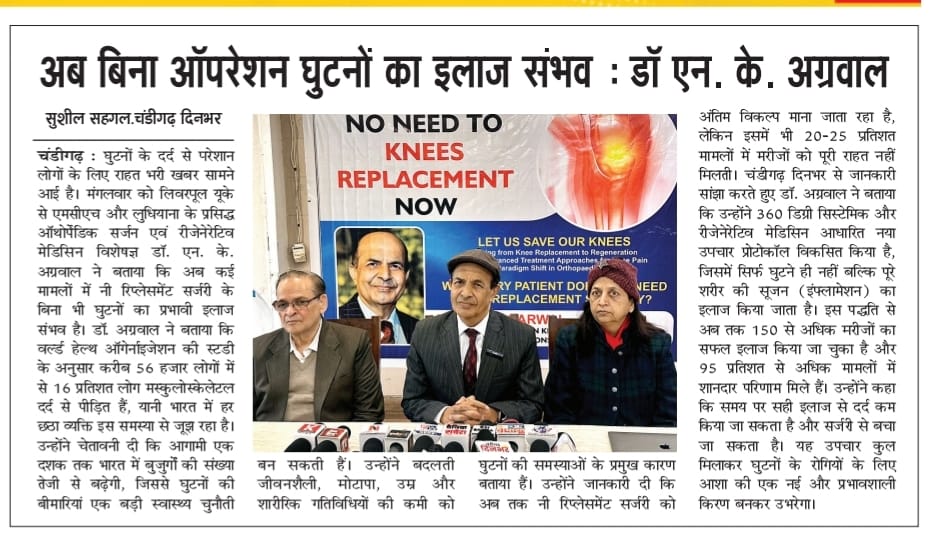
In a major relief for patients suffering from chronic knee pain and arthritis, renowned orthopedic expert Dr. N. K. Aggarwal revealed at a press conference held at the Chandigarh Press Club that knee replacement surgery is not mandatory for every patient. With timely diagnosis and advanced non-surgical treatments, many patients can successfully avoid knee replacement and return to an active lifestyle.

Addressing the media, Dr. Aggarwal explained that knee problems are increasingly being reported not only in elderly but also among the younger population. Poor lifestyle habits, obesity, injuries, lack of physical activity, incorrect posture, and delayed medical consultation are key reasons behind the rising cases of knee arthritis.

“Surgery Should Be the Last Option,” Says Dr. Aggarwal

Media report highlighting non-surgical knee pain treatment in Chandigarh

Dr. Aggarwal emphasized that knee replacement surgery should always be the final option, not the first line of treatment.
“In many cases, patients are advised surgery without exploring non-operative solutions. With modern medical advancements, we now have effective treatments that can reduce pain and improve joint function without surgery,” he stated.According to him, early-stage and moderate osteoarthritis can often be treated successfully with non-surgical, regenerative therapies when diagnosed on time.

Advanced Non-Surgical Knee Treatments Available

During the press briefing, Dr. Aggarwal highlighted several modern, evidence-based treatments that are delivering excellent results: https://youtu.be/XyJSAf5xOso?si=EoK6aFDQus2pkGOk

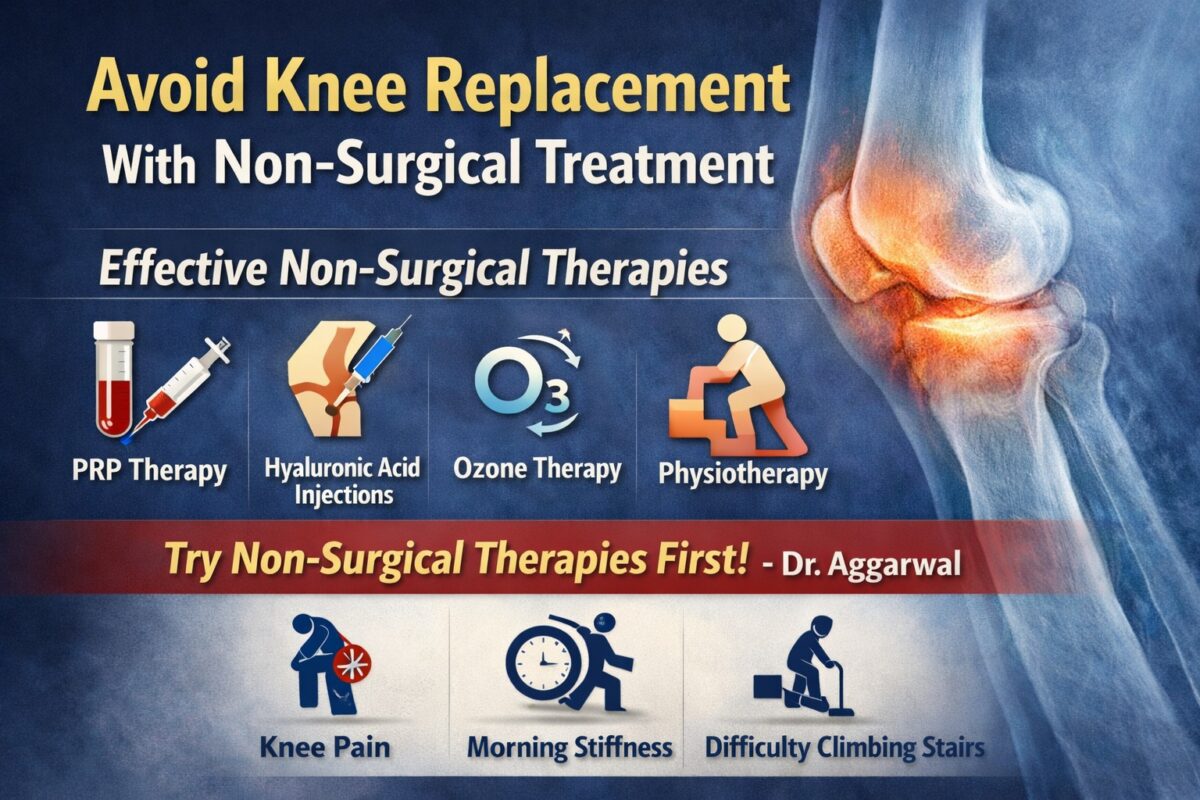
  • PRP (Platelet-Rich Plasma) & Plasma Rich in Growth Factors Therapy : Uses the patient’s own blood to stimulate healing and cartilage regeneration
  • Hyaluronic Acid Injections: Improve lubrication in the knee joint and reduce friction
  • Ozone Therapy: Has regenerative properties, helps control inflammation and chronic pain
  • Physiotherapy & Lifestyle Correction: Strengthens muscles, improves mobility, and slows disease progression

“These treatments have helped many patients delay or completely avoid knee replacement surgery,” Dr. Aggarwal added.

Early Symptoms Should Not Be Ignored

Dr. Aggarwal warned that many patients seek treatment only when the condition becomes severe. He advised people to consult an orthopedic specialist if they experience symptoms such as:

  • Pain while climbing stairs
  • Morning stiffness in the knees
  • Swelling or difficulty standing after prolonged sitting

Early diagnosis significantly improves the success rate of non-surgical treatment.

Important Advice for Knee Pain Patients

Dr. Aggarwal shared the following key recommendations:

  • Avoid long-term use of painkillers without medical supervision
  • Maintain a healthy body weight
  • Always seek a second opinion before opting for surgery
  • Explore all non-surgical treatment options first

Conclusion

The press conference at the Chandigarh Press Club delivered a strong and clear message: knee pain does not always require surgery. With proper evaluation and advanced non-surgical treatment, many patients can preserve their natural knee joints and significantly improve their quality of life.

 Right diagnosis, timely treatment, and expert guidance can help patients avoid knee replacement surgery.


Knee Wash Therapy for Knee Pain: Safe, Effective & Minimally Invasive Relief

Introduction

Knee pain has become increasingly common in today’s fast-paced lifestyle, affecting people across all age groups. Whether it’s due to prolonged sitting, obesity, sports injuries, or early signs of arthritis, chronic knee discomfort can significantly impact your quality of life. If you’re experiencing persistent knee swelling, stiffness, or limited movement, it’s time to explore advanced treatment options. At N.K. Aggarwal Joints and Spine Centre in Ludhiana, Dr. N.K. Aggarwal, a trusted orthopedic surgeon in Ludhiana, offers safe & effective solutions including knee wash treatment—a minimally invasive procedure that provides remarkable relief without major surgery. This is used along with other injectables to improve lubrication and regeneration of the knee joint.

What is Knee Wash (Joint Lavage)?

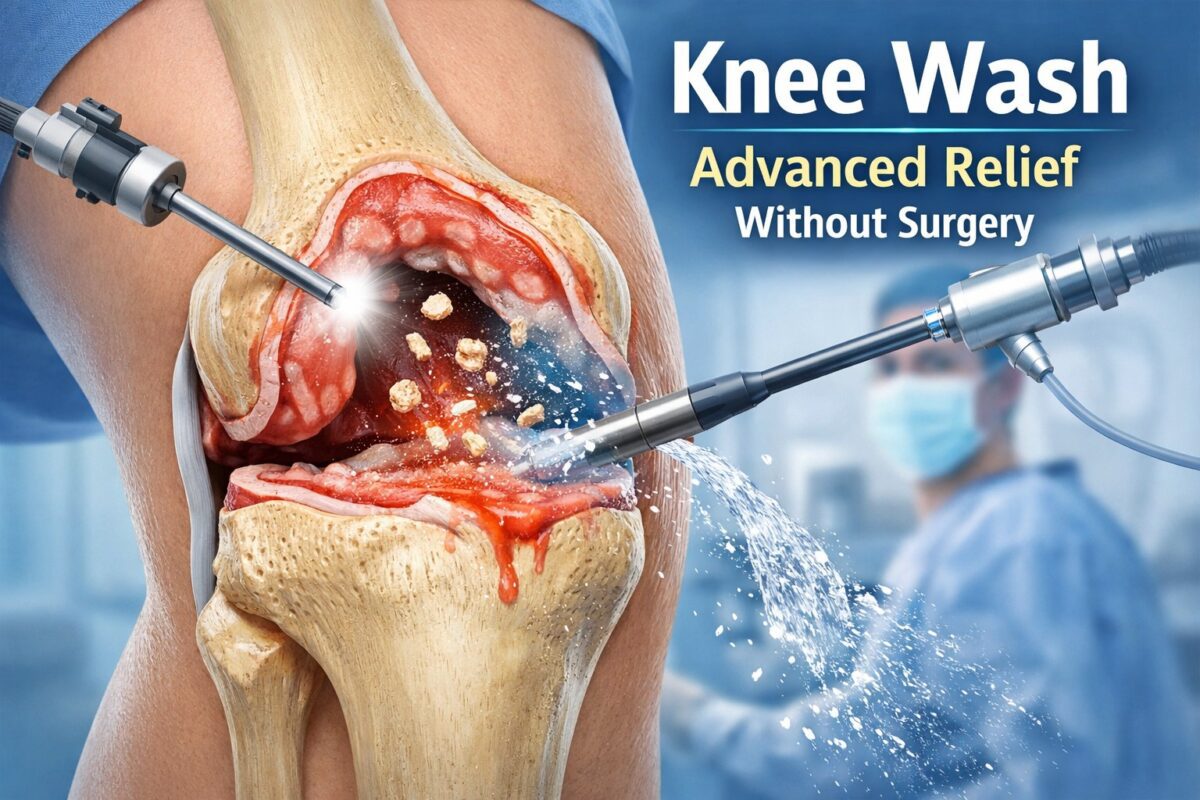
Knee wash, medically known as joint lavage or arthroscopic lavage/debridement, is a procedure designed to clean the knee joint from within. Over time, the knee joint can accumulate inflammatory fluid, cartilage debris, calcium crystals, and other waste particles that cause pain and restrict movement. During the knee wash treatment, a sterile solution is used to flush out these irritants and debris from the joint space. This cleaning process helps reduce inflammation, removes mechanical irritants, and creates a healthier environment for the joint to heal naturally. The procedure is typically performed using arthroscopy—a technique that involves small incisions, making it far less invasive than traditional open surgery.

Who Needs a Knee Wash?

Knee joint cleaning is particularly beneficial for patients experiencing:

  • Osteoarthritis of Knee, causing pain and disability
  • Persistent knee pain that hasn’t responded to medications or physiotherapy
  • Loose debris and fragments in the joint
  • Inflammatory arthritis with fluid accumulation
  • Post-injury knee swelling that limits movement
  • Patients looking to delay or avoid knee replacement surgery

This non-surgical knee pain treatment is ideal for individuals who want relief without committing to major surgical intervention. However, a thorough evaluation by an experienced orthopedic surgeon is essential to determine if you’re a suitable candidate.

Benefits of Knee Wash Treatment

Procedure & Recovery

One of the greatest advantages of knee wash treatment is its minimally invasive nature. The procedure can be mostly performed under local anesthesia and takes approximately 30-45 minutes. Using arthroscopic technique, Dr. N. K. Aggarwal makes tiny incisions through which instruments are inserted to clean the joint thoroughly.

Most patients can return home the same day, making it a convenient day-care procedure. Recovery is relatively quick—many individuals resume normal routines within 2-3 days. Post-procedure physiotherapy is often recommended to maximize benefits and strengthen the surrounding muscles.

Why Choose N.K. Aggarwal Joints and Spine Centre in Ludhiana?

When it comes to knee pain treatment in Ludhiana, experience and expertise matter immensely. Dr. N. K. Aggarwal brings years of specialized training and a patient-first philosophy to every case. The centre is equipped with state-of-the-art arthroscopic technology, ensuring precision and safety during procedures.

As one of the best orthopedic hospitals in Ludhiana, N.K. Aggarwal Joints and Spine Centre is known for:

  • Comprehensive knee pain evaluation and diagnosis
  • Personalized treatment plans tailored to individual needs
  • Advanced minimally invasive techniques
  • Compassionate care and transparent communication
  • Excellent post-treatment support and rehabilitation guidance

Conclusion & Call to Action

Don’t let knee pain control your life. If conservative treatments haven’t provided relief, knee wash could be the solution you’ve been searching for. This safe, effective procedure offers a middle ground between medication and major surgery, giving your knees a fresh start.

Schedule a consultation with Dr. N.K. Aggarwal at N.K. Aggarwal Joints and Spine Centre in Ludhiana today. Let our expert team evaluate your condition and recommend the most appropriate treatment for lasting knee pain relief. Your journey toward pain-free mobility begins with one call.

Non Surgical Knee Pain Treatment in Ludhiana

Non Surgical Knee Pain Treatment in Ludhiana

Imagine climbing stairs without wincing, walking without limping, or playing with your grandchildren without that debilitating knee pain holding you back. For millions suffering from chronic knee conditions, these simple pleasures seem like distant dreams. But what if there was a way to reclaim your active lifestyle without going under the knife? At N.K. Aggarwal Joints and Spine Centre, we’ve revolutionized Knee pain treatment Ludhiana with a cutting-edge treatment protocol that harnesses the power of three advanced regenerative therapies: Ozone Therapy, Hyaluronic Acid, and Plasma Rich in Growth Factors (PRGF). This groundbreaking approach doesn’t just mask symptoms—it triggers your body’s natural healing cascade, offering patients a scientifically-proven, non-surgical pathway to lasting relief and restored mobility.

Understanding the Approach

Rather than relying on a single treatment modality, our protocol strategically combines therapies to address knee pain at multiple levels. This synergistic approach targets inflammation, promotes natural healing, and restores joint function progressively.

Stage 1: Ozone Therapy – Reducing Inflammation and Pain

Ozone therapy serves as the foundation of our treatment protocol. Medical-grade ozone, when injected into the knee joint, acts as a powerful anti-inflammatory agent. It works by:

  • Reducing oxidative stress and chronic inflammation
  • Improving oxygen delivery to damaged tissues
  • Stimulating the body’s natural healing mechanisms
  • Providing immediate pain relief in many patients

Ozone therapy prepares the joint environment for regenerative treatments, making it an ideal component of our comprehensive approach.

Stage 2: Hyaluronic Acid – Restoring Joint Lubrication

Along with ozone therapy, we introduce hyaluronic acid injections to address the mechanical aspects of knee dysfunction. Hyaluronic acid is a naturally occurring substance in healthy joints that acts as both a lubricant and shock absorber.

Benefits include:

  • Enhanced joint lubrication and smoother movement
  • Cushioning effect that reduces bone-on-bone friction
  • Protection of remaining cartilage from further degradation
  • Improved joint mobility and flexibility

This focuses on restoring the joint’s biomechanical function, allowing patients to move more comfortably as healing progresses.

Stage 3: PRGF – Accelerating Tissue Regeneration

This incorporates injections of Plasma Rich in Growth, harnessing your body’s own healing potential. PRGF is derived from your blood and contains concentrated growth factors that:

  • Stimulate cartilage and tissue regeneration
  • Promote the formation of new, healthy cells
  • Enhance blood flow to the affected area
  • Provide long-term healing and structural repair

This regenerative process addresses the root cause of degeneration, offering sustained improvement beyond symptom management.

Why the This Approach Works Better

The comprehensive methodology isn’t arbitrary—it’s strategically designed. By reducing inflammation with ozone, we create an optimal environment for hyaluronic acid to function effectively. As lubrication is restored and pain is managed, PRGF can work more efficiently to regenerate damaged tissues. This approach produces superior outcomes compared to single-therapy treatments.

Who Can Benefit?

This comprehensive protocol is particularly effective for patients suffering from:

  • Osteoarthritis of the knee
  • Degenerative joint disease
  • Chronic knee pain resistant to conventional treatments
  • Post-injury joint dysfunction
  • Age-related cartilage wear

Dr. N. K. Aggarwal Advantage

At N. K. Aggarwal Joints and Spine Centre, we believe in personalized care. Each patient receives a customized treatment plan based on their specific condition, severity of symptoms, and overall health profile. Our experienced team monitors progress at each stage, ensuring optimal results.

Most importantly, this approach offers a minimally invasive alternative to surgery, with shorter recovery times, lower risks, and the ability to return to daily activities more quickly.

Take the First Step Toward Pain-Free Living

If chronic knee pain is holding you back, our advanced stage-wise therapy combining ozone, hyaluronic acid, and PRGF could be your solution. Don’t let knee pain define your life—discover how regenerative medicine can restore your mobility and quality of life.

Contact N. K. Aggarwal Joints and Spine Centre today to schedule a consultation and learn if this innovative treatment protocol is right for you.

References Link

  1. Efficacy and safety of ozone therapy for knee osteoarthritis: umbrella review https://pmc.ncbi.nlm.nih.gov/articles/PMC10912569/
  2. Effects of oxygen-ozone therapy in knee osteoarthritis: systematic review https://pubmed.ncbi.nlm.nih.gov/40452464/
  3. Efficacy of intra-articular ozone injection for chronic knee pain https://pubmed.ncbi.nlm.nih.gov/36239567/
  4. Role and effectiveness of intra-articular hyaluronic acid injection https://pmc.ncbi.nlm.nih.gov/articles/PMC9135165/
  5. Effectiveness and utility of hyaluronic acid in osteoarthritis https://pmc.ncbi.nlm.nih.gov/articles/PMC4469223/
  6. Efficacy and safety of repeated courses of hyaluronic acid injections https://pubmed.ncbi.nlm.nih.gov/29496227/
  7. Intra-Articular Hyaluronic Acid: A Systematic Umbrella Review https://www.mdpi.com/2077-0383/14/4/1272
  8. PDGF as biomarker of clinical outcome for platelet therapy https://pmc.ncbi.nlm.nih.gov/articles/PMC11954473/
  9. Treatment of knee osteoarthritis: PDGF vs. hyaluronic acid RCT https://pubmed.ncbi.nlm.nih.gov/28783969/
  10. PRP-derived growth factor vs hyaluronic acid: one year clinical trial https://pmc.ncbi.nlm.nih.gov/articles/PMC7354951/


Advanced PDGF Therapy for Knee Pain

Platelet-Derived Growth Factor (PDGF) Treatment for Knee Pain: Advanced Regenerative Therapy by Dr. N.K. Aggarwal

Leading the Way in Non-Surgical Knee Pain Solutions

Knee pain has become one of the most debilitating conditions affecting people across all age groups—from young athletes dealing with sports injuries to older adults struggling with osteoarthritis. At N.K. Aggarwal Joints and Spine Centre, Dr. N. K. Aggarwal understands that knee pain isn’t just about discomfort; it’s about losing the freedom to live life on your terms.While conventional treatments often provide only temporary relief and surgery seems like the inevitable next step, Dr. Aggarwal brings hope through advanced regenerative medicine. With his expertise in cutting-edge orthopedic therapies, he now offers Platelet-Derived Growth Factor (PDGF) treatment a revolutionary, non-surgical approach that harnesses your body’s natural healing power to address knee pain at its source. It is usually combined with additional non surgical treatments, like Arthroscopic knee lavage to remove the debris and  reduce  the inflammatory load, Hyaluronic acid injection and intra articular Ozone injections. These procedures are complimentary to each other and help maximize the benefits of the treatment, making it more efficacious and long lasting.

What is Platelet-Derived Growth Factor (PDGF)?

Platelet-Derived Growth Factor is a powerful, naturally occurring protein found in your blood platelets that plays a vital role in tissue healing and regeneration. Think of PDGF as your body’s biological repair signal—it tells your cells to spring into action, repair damaged tissues, build new blood vessels, and regenerate healthy cartilage in your knee joint.

Dr. Aggarwal utilizes this remarkable healing substance by concentrating it from your own blood and delivering it precisely where your knee needs it most. This treatment works with your body’s natural biology, not against it, making it a safe and effective option for patients seeking alternatives to surgery.

How Dr. Aggarwal Uses PDGF Treatment for Knee Pain

At our clinic, Dr. Aggarwal employs a sophisticated approach to PDGF therapy. The treatment begins with drawing a small sample of your blood, which is then processed using specialized medical equipment to concentrate the growth factors to therapeutic levels. This platelet-rich concentrate is then carefully injected into your affected knee joint under precise guidance.

Once inside your knee, PDGF gets to work through multiple healing pathways:

  • Activates your body’s stem cells and repair cells to target the damaged area
  • Stimulates the growth of new blood vessels, enhancing circulation and nutrient supply
  • Encourages cartilage cells to produce healthy tissue matrix
  • Significantly reduces inflammation that causes pain and stiffness
  • Supports repair of damaged ligaments, tendons, and surrounding soft tissues
  • Creates an optimal healing environment within the joint

Remarkable Benefits of PDGF Treatment at Our Clinic

Dr. Aggarwal’s patients choosing PDGF therapy experience numerous advantages:

Natural & Safe: Uses your own biological materials, eliminating concerns about rejection or adverse reactions

Effective Pain Relief: Many patients report substantial reduction in knee pain within a few weeks of treatment

Restored Joint Function: Experience improved mobility, reduced stiffness, and the ability to return to activities you’ve been missing

Minimally Invasive Procedure: No surgical cuts, no general anesthesia, no hospital admission—just a simple office-based procedure

Minimal Downtime: Resume most daily activities within days, unlike the months of recovery required after knee surgery

Addresses Root Causes: Unlike pain medications that only mask symptoms, PDGF works to heal damaged tissues

Delay or Avoid Surgery: Many patients successfully postpone or completely avoid knee replacement surgery with timely PDGF treatment

Long-Term Results: Promotes lasting improvement by regenerating healthy tissue rather than providing temporary relief.


Who Can Benefit from PDGF Treatment?

Dr. Aggarwal may recommend PDGF therapy for patients experiencing:

  • Early to moderate knee osteoarthritis
  • Degenerative cartilage damage
  • Chronic knee pain unresponsive to medications and physical therapy
  • Meniscus injuries
  • Ligament sprains or tendon inflammation
  • Sports-related knee injuries
  • Patients looking to preserve their natural knee and avoid surgery

During your consultation, Dr. Aggarwal will conduct a thorough examination, review your imaging studies, and discuss your symptoms to determine if PDGF treatment is the ideal solution for your specific knee condition.

The PDGF Treatment Procedure at Our Clinic

Dr. Aggarwal has refined the PDGF treatment process to ensure patient comfort and optimal results:

  1. Comprehensive Consultation: Dr. Aggarwal personally evaluates your knee condition, reviews your medical history and any X-rays or MRI scans
  2. Blood Draw: A small amount of blood is collected from your arm—similar to a routine blood test
  3. Growth Factor Concentration: Your blood is processed in our clinic using advanced centrifuge technology to isolate and concentrate the PDGF
  4. Precise Injection: Dr. Aggarwal carefully injects the concentrated growth factors directly into your knee joint using image guidance for accuracy
  5. Post-Treatment Guidance: You receive clear instructions for activity modification and follow-up care
  6. Same-Day Discharge: The entire procedure takes less than an hour, and you walk out the same day

Why Choose Dr. N.K. Aggarwal for Your Knee Treatment?

Expertise You Can Trust: Dr. N.K. Aggarwal is a renowned orthopedic specialist, has worked at best centres around the world and has extensive experience in joint preservation and regenerative medicine. His deep understanding of knee biomechanics and commitment to staying updated with the latest treatment advances ensures you receive world-class care.

Advanced Regenerative Techniques: Our clinic is equipped with state-of-the-art technology for processing and administering PDGF therapy, ensuring optimal concentration and therapeutic effectiveness.

Personalized Treatment Approach: Dr. Aggarwal believes every patient is unique. He takes time to understand your specific condition, lifestyle needs, and treatment goals before recommending the best course of action.

Ethical & Honest Care: We recommend PDGF therapy only when it’s genuinely appropriate for your condition. Dr. Aggarwal provides transparent information about expected outcomes, helping you make informed decisions about your health.

Comprehensive Joint Care: Beyond PDGF treatment, our clinic offers a full spectrum of orthopedic services, ensuring continuity of care for all your joint and spine health needs.

Patient-Centered Practice: From your first consultation to post-treatment follow-ups, Dr. Aggarwal and his team are dedicated to your comfort, recovery, and long-term joint health.

Begin Your Journey to Pain-Free Knees

Living with knee pain shouldn’t be your reality. If you’re tired of temporary fixes and want to explore a treatment that promotes genuine healing, PDGF therapy with Dr. N.K. Aggarwal could be your answer.

Don’t let knee pain dictate your life any longer. Schedule a consultation with Dr. Aggarwal at N. K. Aggarwal Joints and Spine Centre today. During your visit, Dr. Aggarwal will personally assess your condition, answer all your questions, and discuss whether PDGF treatment is right for you.

Take the first step toward healthier, pain-free knees. Contact us now to book your appointment with Dr. N. K. Aggarwal.


Best Exercises for Slip Disc & Sciatica Pain Relief at Home

When a slip disc or sciatica hits, the pain can be debilitating. That shooting sensation down your leg, the lower back stiffness, the numbness it all makes you want to stay in bed. But here’s what most people don’t realize: the right movement is often better than complete rest. As a spine specialist in Ludhiana, We have seen patients turn their pain around with targeted exercises done consistently at home. These aren’t random stretches they’re specific movements designed to reduce nerve pressure, strengthen your core, and give your spine the support it desperately needs.

Understanding What You’re Dealing With

A slip disc happens when the cushioning between your vertebrae bulges or ruptures, pressing on nearby nerves. Sciatica is the result sharp pain that travels from your lower back down your leg. The goal of these exercises is to gently decompress the nerve, improve flexibility, and build strength so your spine can heal. If you’re experiencing severe pain, numbness in both legs, or loss of bladder control, contact a sciatica specialist in Ludhiana immediately.

The Best Exercises for Relief

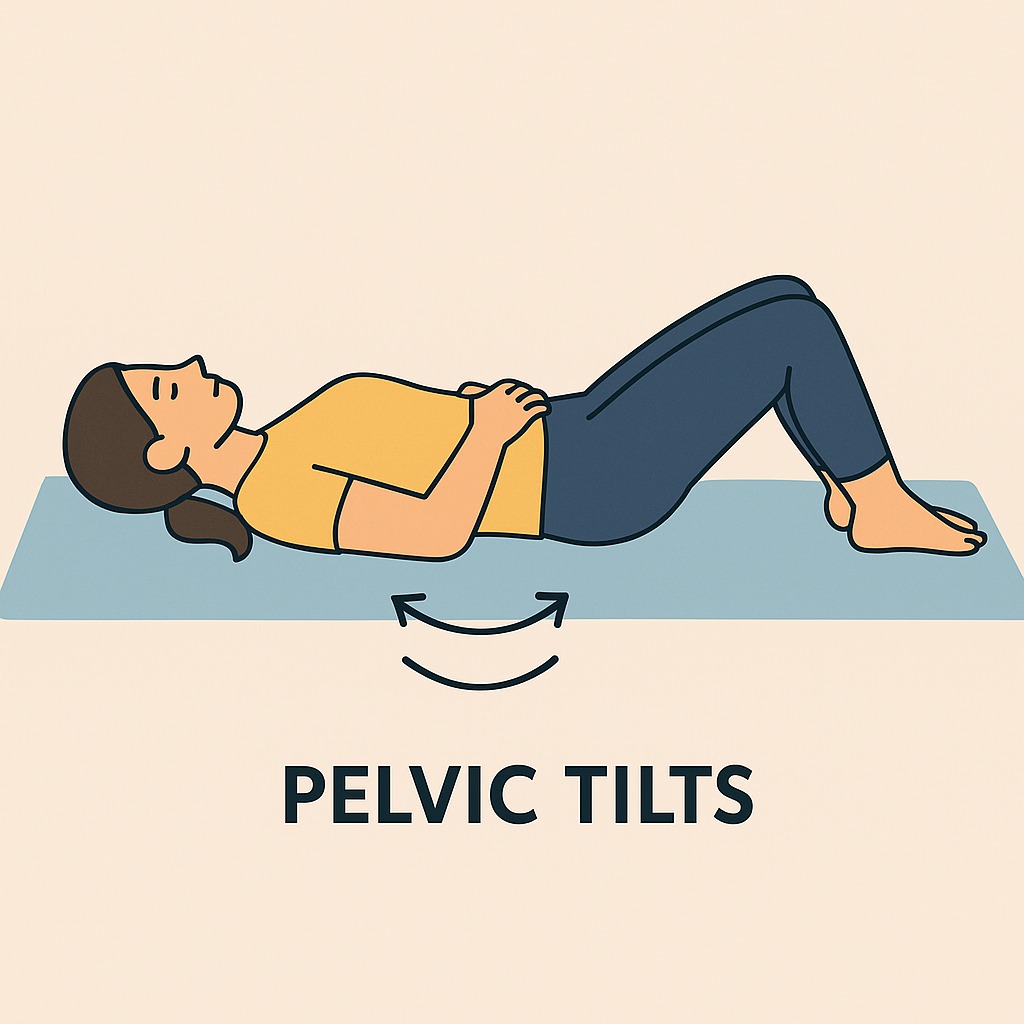
Pelvic Tilts

Lie on your back with knees bent. Flatten your lower back against the floor by tightening your abs and tilting your pelvis upward. Hold for 5 seconds. Do 10-15 repetitions twice daily. This stabilizes your spine without strain.

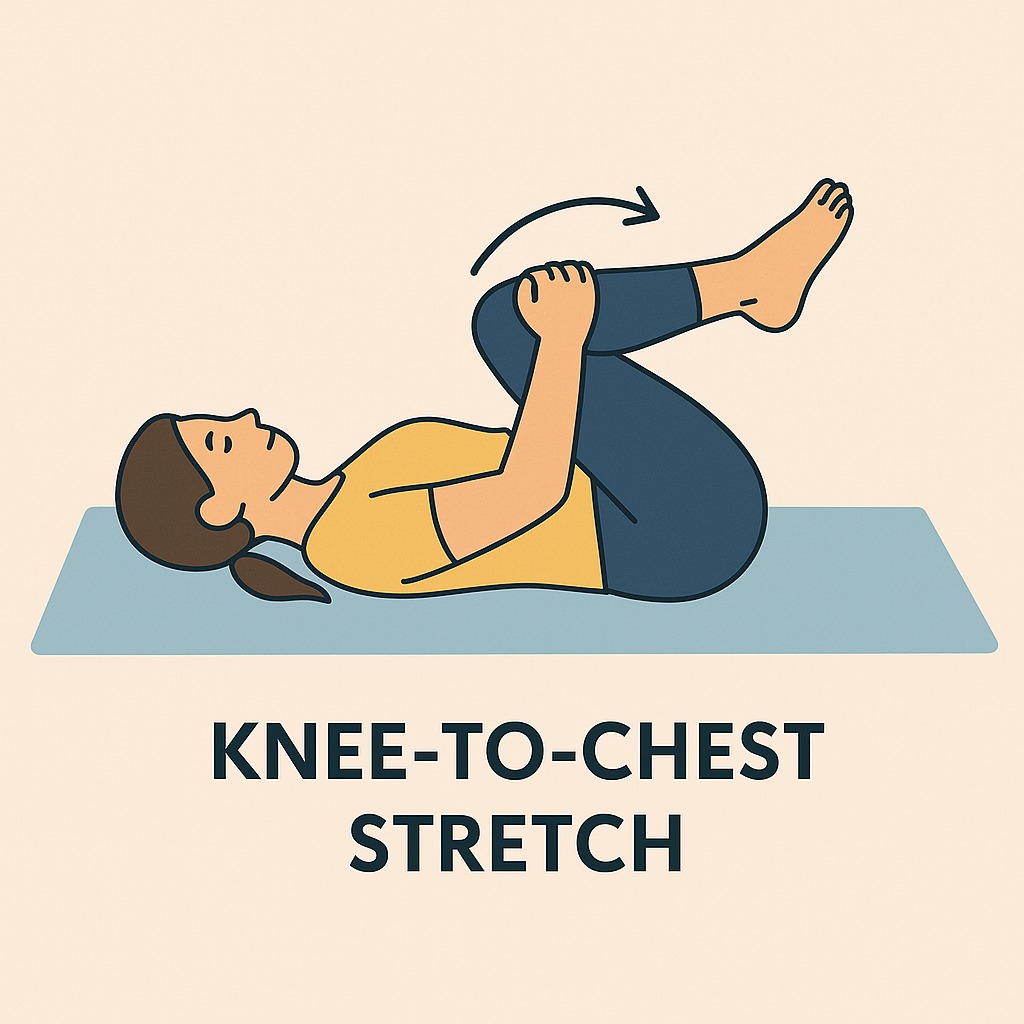
Knee-to-Chest Stretch

Lying flat, bring one knee toward your chest and hold for 20-30 seconds. Switch legs. This opens space in your lower spine and releases tension. Do 2-3 repetitions per leg.

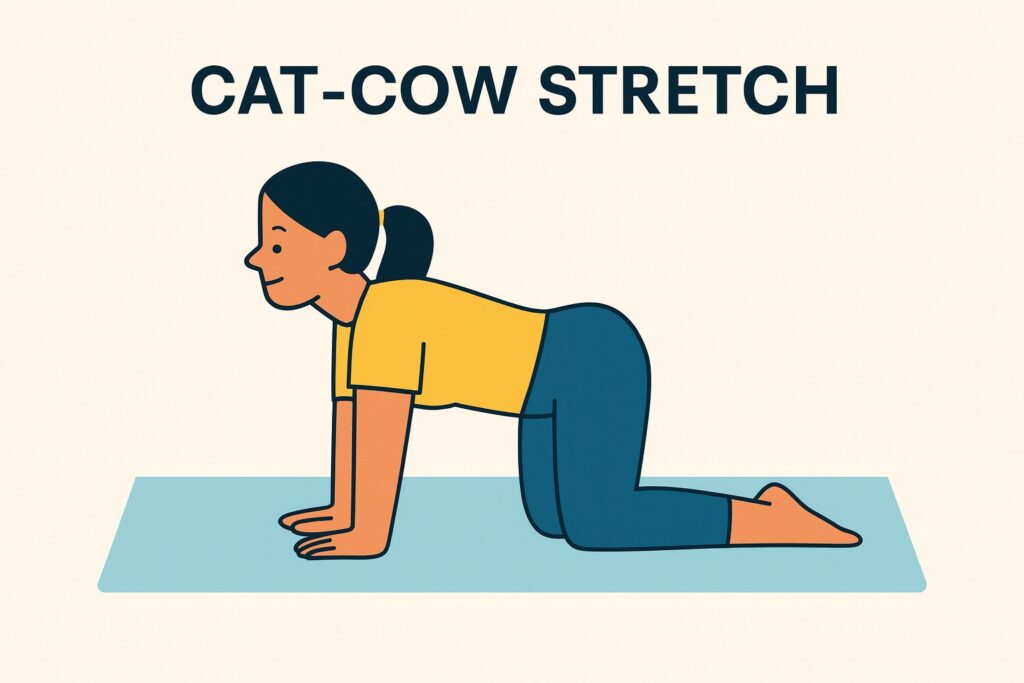
Cat-Cow Stretch

On hands and knees, arch your back upward, then let your belly drop while lifting your head. This increases spine flexibility. Do 10-15 slow cycles.

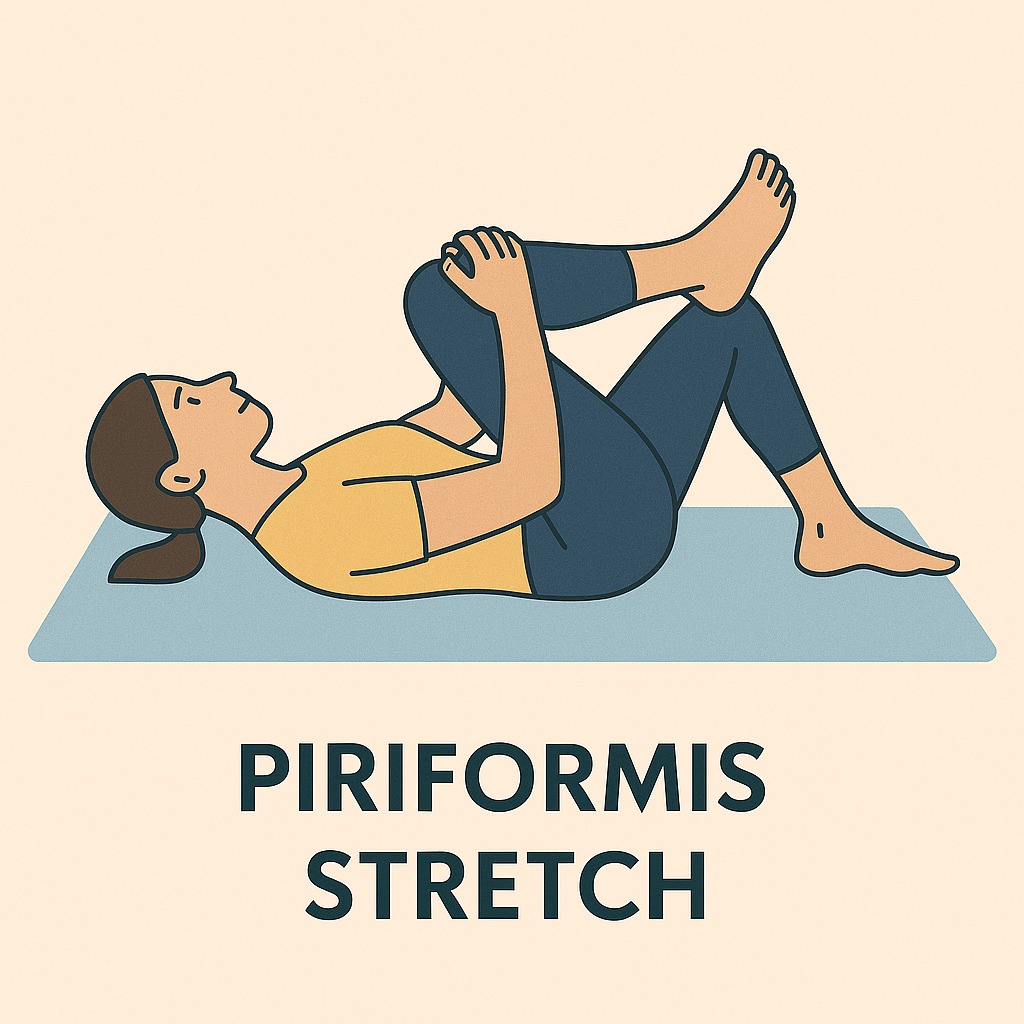
Piriformis Stretch

Lie on your back with knees bent. Cross one ankle over the opposite knee, then pull that thigh toward your chest. Hold for 30 seconds each side. This directly relieves sciatic nerve compression.

Bird Dog Exercise

From hands and knees, extend the opposite arm and leg parallel to the floor. Hold 5-10 seconds, then switch. This builds core stability that supports your spine. Do 8-10 repetitions per side.

Partial Crunches

Lie with knees bent, lift shoulders just a few inches off the floor. Hold briefly, lower slowly. This strengthens abs without straining your back. Start with 5-10 repetitions.

Walking

Simple but effective. Walking increases blood flow and keeps your spine mobile without impact. Start with 10-15 minutes daily in supportive shoes.

What to Avoid

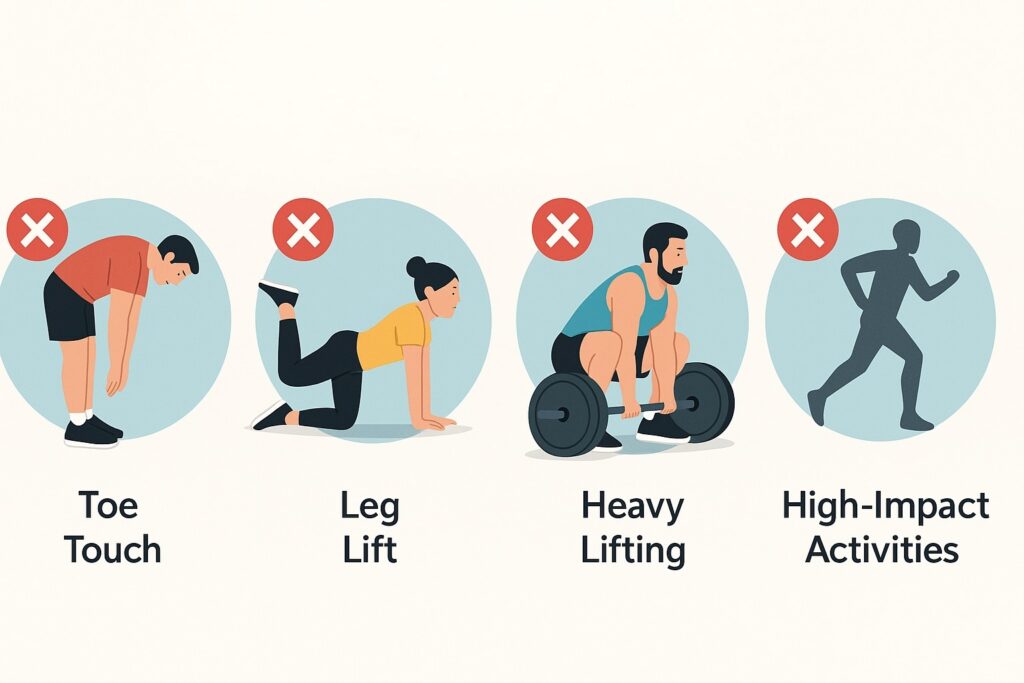
Skip toe touches, leg lifts while on your stomach, high-impact activities, and heavy lifting. These increase disc pressure and worsen nerve compression.

When to Seek Professional Help

If pain isn’t improving after 2-3 weeks of consistent exercise, or if it’s getting worse, see a professional. Slip disc treatment in Ludhiana offers advanced options like physiotherapy, medication, PRP therapy, and minimally invasive procedures.

At N K Aggarwal Joints and Spine Centre, Dr. N.K. Aggarwal, a leading spine specialist in Ludhiana, combines conservative treatments with advanced interventions to help patients recover without unnecessary surgery. These exercises are a great start, but expert guidance ensures you’re on the fastest path to real, lasting relief.

Ozone Therapy for Knee Pain: A Game-Changer in Non-Surgical Treatment

Ozone Therapy for Knee Pain: A Game-Changer in Non-Surgical Treatment

The Moment You Hear “Knee Replacement”

Let’s be honest: when your doctor brings up knee replacement surgery, a little anxiety monster crawls into your stomach. It’s not just the procedure itself; it’s the risks of complications and failure of surgery, long, gruelling recovery, the weeks of physical therapy, and the temporary loss of independence, apart from a real possibility of repeat surgery due to fracture of bones or wearing out of the artificial joint. You just want to walk without pain, but the cure sounds almost as bad as the problem!

For years, it felt like surgery was the only option for serious, chronic knee pain caused by things like osteoarthritis. But thankfully, modern medicine is offering a truly promising alternative that avoids the knife: Ozone Therapy. It’s rapidly gaining popularity as an effective Ozone Therapy Knee Replacement Alternative.

What on Earth is Ozone Therapy? And How Does It Help?

First things first: this is not about the environmental ozone layer. This is medical-grade ozone, a special mixture of oxygen and ozone gas. When injected into the painful knee joint, it does some remarkable things that feel almost too good to be true, but the science is there.

Think of your knee joint as a crowded, angry room full of inflammation and tired tissues. Ozone comes in like a quiet, yet powerful, cleanup crew:

  • It Calms the Storm: Ozone is a potent anti-inflammatory agent. It helps reduce the painful swelling and irritation that are causing all that persistent, aching discomfort.
  • It Refuels the Healers: It significantly improves blood flow and increases the amount of oxygen in the joint capsule. More oxygen means your body’s own natural healing cells can finally get to work repairing and regenerating damaged tissue.
  • It Boosts Lubrication: A healthier joint environment means the knee can move more freely, often leading to better mobility and less stiffness.

Simply put, instead of cutting out the problem, ozone therapy works with your body to heal it from the inside out. That’s why it’s being hailed as an exceptional Ozone Therapy Knee Replacement Alternative, especially when used with other biological treatments. 

Why Consider Skipping the Operating Room?

Choosing a non-surgical path isn’t just about avoiding a scar. It’s about choosing a treatment that respects your life and schedule:

  1. Life on Your Terms: You’re looking at a quick, outpatient procedure, not a hospital stay. You can often get back to your routine the very next day. Compare that to the months of recovery required after major surgery!
  2. Less Risk, More Reward: There are far fewer risks involved compared to major surgery. No general anesthesia. No risk of infection from a prosthetic joint. It’s a lower-stakes way to achieve high-impact pain relief. 
  3. Keeping What’s Yours: A knee replacement is exactly that—a replacement. Ozone therapy aims to heal and preserve your natural joint structure. You keep your original equipment, just optimized!

Ready to Explore a New Path?

If you’re sitting there rubbing your aching knee, maybe it’s time to stop worrying about surgery and start asking about modern alternatives.

If you’re serious about exploring Ozone Therapy as a genuine knee replacement alternative, the best first step is a consultation with a specialist who truly understands these cutting-edge techniques.

We highly recommend connecting with a renowned expert like Dr. N K Aggarwal at N K Aggarwal Joints and Spine Centre. Dr. Aggarwal and his dedicated team focus entirely on finding minimally invasive, regenerative solutions to get you back on your feet and back to your life without the trauma of major surgery. They can assess your specific condition and tell you honestly if ozone therapy is the right, positive step forward for you.

Why wait for the pain to get worse? Take control of your knee health today!

Source used to write this article:

Ozone Improves Pain, Function and Quality of Life in Patients with Knee Osteoarthritis (KOA):

Ozone Therapy Efficacy and Safety (Systematic Review):

Updated Review on Ozone Therapy in Pain Medicine:

Comparison of Ozone Therapy vs. Hyaluronic Acid for Knee OA: