
Hip Preservation in Avascular Necrosis (AVN) of Hip

Hip Preservation in Avascular Necrosis (AVN) of Hip
Avascular Necrosis (AVN) of the hip is a progressive orthopedic problem in which the blood supply to the femoral head is somehow compromised which leads to damage and eventual death of bone cells. The femoral head needs to be vascularly supported to remain strong, structurally sound and functional. If the circulation is cut off, the bone can become weak, change structure, and even break down, causing secondary arthritis of the hip joint.
In AVN, hip preservation is aimed at keeping the patient’s hip joint normal, and at identifying the problem as early as possible and developing an appropriate treatment plan before it becomes irreversible. Over the years, joint preservation techniques and biological treatment options have enhanced the potential to preserve hip function and postpone the need for total hip replacement
Pathophysiology and Progression of Avascular Necrosis
The onset of AVN is associated with impaired blood flow to the femoral head, leading to impaired bone metabolism and repair. During the initial stages, the bone may show no structural abnormalities on x-rays, but the cells in the bone are already beginning to be damaged. As the disease progresses, tiny fractures form in the weak bone and eventually lead to the collapse of the femur head and the failure of normal joint motion.
Factors that are associated with the development of hip AVN include:
- Long term or big dose steroid therapy
- Alcohol-related bone changes
- Hip trauma or fractures in the past
- Diseases of the blood vessels
- Autoimmune and metabolic diseases
- Some medications that affect blood vessels function
The sooner orthopedic surgeons can identify the risk factors and symptoms, the sooner they can step in and stop any joint damage before it has a chance to get worse.
Importance of Early Diagnosis in Hip Preservation
The time of AVN diagnosis is of crucial importance for successful hip preservation. The detailed orthopedic evaluation should be performed in patients who have persistent hip pain, discomfort with walking, stiffness or decreased range of motion.
Magnetic Resonance Imaging (MRI) is also an important tool in the detection of early AVN, as it can detect changes in the bone marrow and vascular areas before major structural changes are seen. Correct staging will help establish whether or not the joint preservation procedure will be of benefit
Joint Preservation Treatment Options for AVN Hip
Avascular Necrosis treatment will differ depending on the stage of disease, the extent of the involvement, age of the patient, activity level, and the condition of the articular cartilage. Hip preservation surgery’s most important purpose is to make the bones healthier, less painful and stop the joint from collapsing.
Core Decompression for Early Stage AVN.
When patients present with early AVN, one of the procedures commonly performed is the core decompression. It is a technique that involves creating small channels in the damaged region of the femoral head, that decreases the internal bone pressure, and promotes better blood flow.
Core decompression may be beneficial in:
- A decrease in the pain caused by the increased pressure on the bones.
- A better blood flow to the area.
- The activation of bone healing response.The activation of the bone healing response.
- Selective treatment of femoroacetabular impingement – prevention or delay of collapse of the femoral head.
It is best done as soon as possible before significant structural damage has happened.
Role of Regenerative Orthopedics in AVN Management
New and exciting biological strategies have been developed in the realm of regenerative medicine, designed to assist the body’s natural healing systems. As supportive methods in appropriate patients, techniques of concentrated growth factors and biological healing components are being explored.
These innovative methods can be used to assist in:
- Improving the bone repair process of injury.
- Promoting tissue regeneration mechanisms.
- Nonetheless, they are dedicated to enhancing the recovery of materials following preservation treatments.
- Favouring improved functional results
Regenerative treatment is suitable, for each individual case, and should be planned based on the clinical condition of the patient.
When Hip Replacement Becomes Necessary
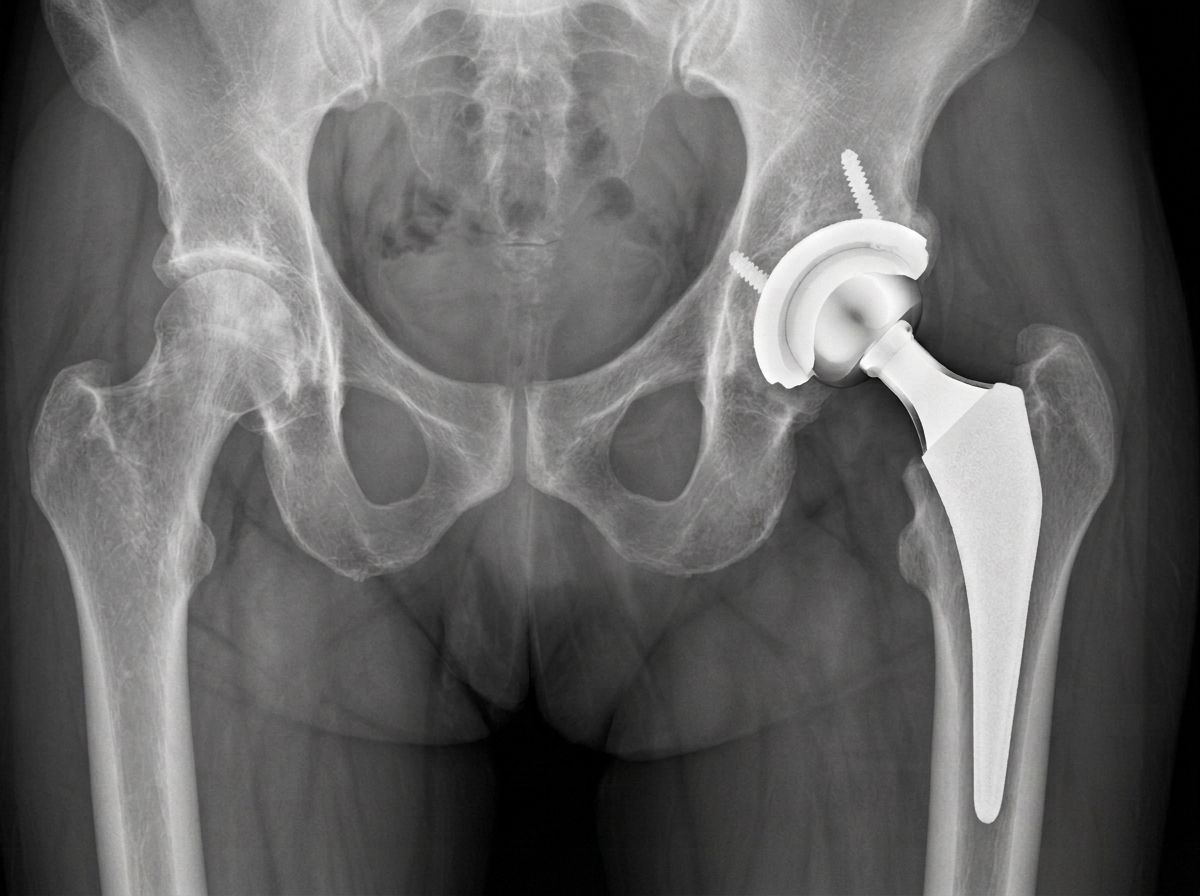
Although hip preservation is a crucial target, not all stages of AVN are amenable to joint-preserving treatments. In more severe cases in which the head of the femur has broken down, or if there is a lot of arthritis, a total hip replacement might offer more relief from pain and a better overall mobility.
Preservation versus replacement will depend on careful evaluation of the joint condition, the progression of the disease and the long-term functional objectives of the patient.
Advanced AVN Hip Care at Dr. N. K. Aggarwal Joints And Spine Centre
Dr. N. K. Aggarwal Joints And Spine Centre offers comprehensive evaluation and state-of-the-art orthopedic surgeon in ludhiana options to patients with hip disorders, including Avascular Necrosis of the hip. Dr. N. K. Aggarwal stresses on early diagnosis, evidence based treatment planning, and personalized treatment approach for getting optimal outcome with regards to the health of the joints.
Today’s diagnostic tools and cutting edge orthopedic skills continue to strive to maintain natural joint function as much as feasible, and to help patients return to better mobility and quality of life.
Conclusion
Hip preservation in Avascular Necrosis of the hip (AVN) is a significant improvement in the treatment of orthopedic disease, especially in patients who are diagnosed early when the joint damage is not severe. Early detection, staging and intervention can make a huge difference in treatment success. Preservation techniques from the modern era, such as core decompression and regenerative orthopedic therapies offer valuable options to preserve the natural hip joint and ensure long-term function.