
Regenerative Medicine for Arthritis: Can It Help Preserve Joints?

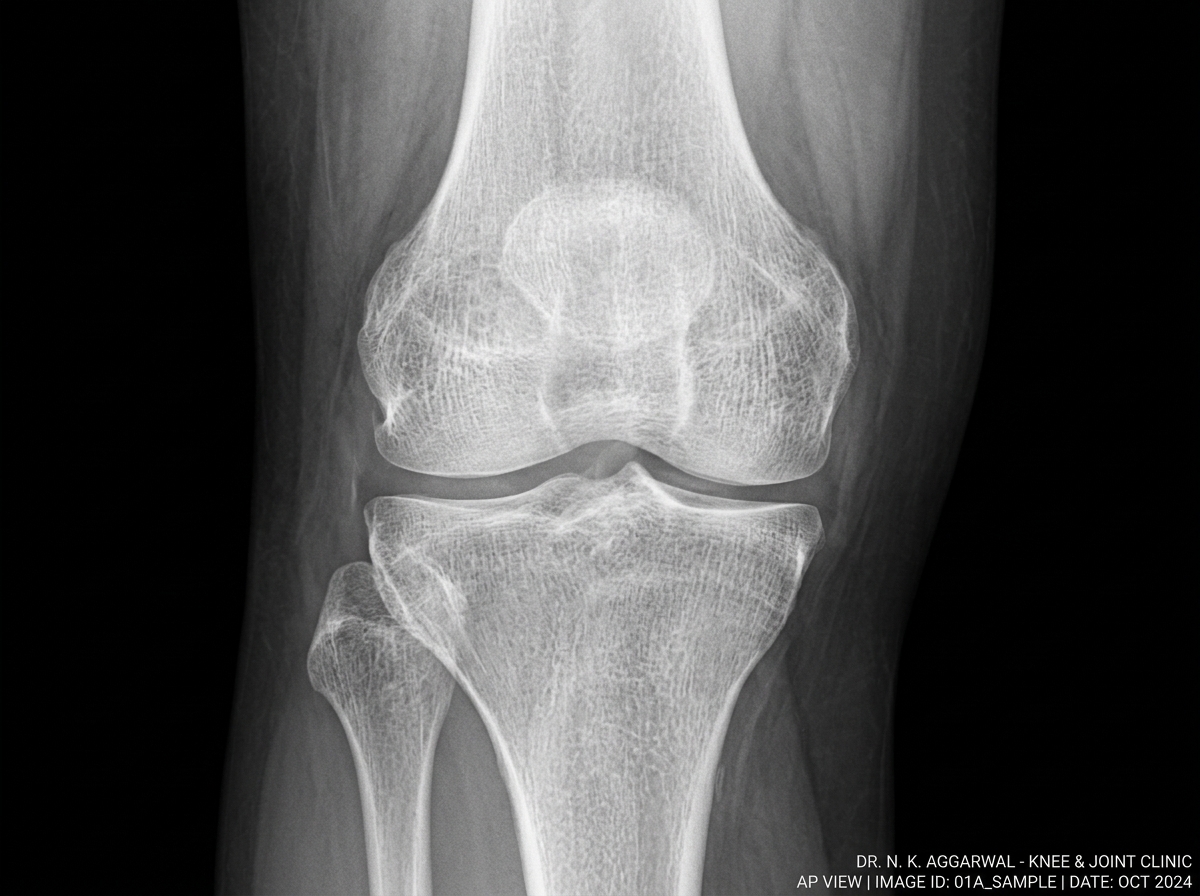
Regenerative Medicine for Arthritis: Can It Help Preserve Joints?
Arthritis causes disability and ongoing pain, stiffness, swelling and reduced mobility in millions of people around the world and is a progressive (worsening) condition of the joints. The conventional approach to arthritis treatment has traditionally been to use medication, physiotherapy, life-changes and sometimes injections and finally joint replacement surgery.
Dr. N. K. Aggarwal Joints And Spine Centre specializes in delivering state-of-the-art and customized orthopedic surgeon in Ludhiana through an amalgamation of skill, knowledge, and advanced treatment methods. One of the areas that is very important in the field of orthopedic advancements is regenerative medicine, which provides a minimal interventional treatment option for joints.
Understanding the Concept of Regenerative Medicine in Arthritis
Regenerative Medicine is the cutting edge medicine with goals of supporting tissue repair, optimizing biological function by using the body’s own ability to heal. In the field of orthopedics, regenerative therapies employ a variety of the patient’s own biological materials to establish a conducive environment for damaged joints and tissues to repair and heal.
Conventional treatments are typically given to help manage pain and inflammation, but regenerative therapies seek to tackle the biological factors that underlie tissue degeneration. The main aim is to restore joint function and to alleviate discomfort as well to preserve mobility as long as possible in the patient who is suitable.
Arthritis sufferers can sustain their joint health and maybe even reverse some of the damage using regenerative medicine, especially in early and intermediate stages of arthritis. But these treatments work best if arthritis is not severe.
Role of Platelet-Rich Plasma (PRP) Therapy in Arthritis Management
One of the most popular regenerative therapies used in orthopedic medicine is Platelet-Rich Plasma (PRP) therapy. Platelets become naturally involved in the healing process in the body, by secreting certain growth factors. These factors help regulate inflammation and initiate recovery processes in damaged areas and new tissue growth.
PRP therapy involves drawing a small amount of blood from the patient’s body that is then treated with specific technology to isolate platelets. The solution or PRP is then injected into the joint being treated under the guidance of an expert doctor.
PRP therapy could benefit patients suffering with arthritis by:
- Helping with the recovery in the joint.
- Reducing inflammation-related discomfort
- Improving the mobility and functionality of joints
- Assisting patients to remain active despite lessening symptoms of pain
Autologous Growth Factor Concentrates: Enhancing Natural Healing
Autologous Growth Factor Concentrates can be extracted from platelets under optimum conditions and then injected into diseased joints instead of PRP. They are considered to be more effective than PRP. They act as communication molecules between cells. They aid in the coordination of crucial biological activities pertaining to tissue recovery.
Growth factors could be a support of:
- The mechanisms of tissue repair and regeneration
- Regulation of inflammation
- Activity, repair and regeneration of cells
- Ensuring the local environment of the joint improves.
Dr. N. K. Aggarwal Joints And Spine Centre’s regenerative treatments are suggested upon thorough evaluation. Treatment depends on the individual patient’s condition and will be determined through a combination of clinical assessment, imaging, symptoms and goals for future health.
Advanced Biological Healing Solutions in Orthopedic Care
The field of regenerative medicine continues to expand with the development of advanced biological therapies designed to support musculoskeletal healing. These treatments focus on utilizing natural biological components such as growth factors, signaling molecules, and regenerative substances to improve tissue response.
Advanced biological solutions are being researched for their potential use in:
- Improving joint function
- Supporting damaged tissues
- Managing inflammation
- Boost the recovery of certain orthopedic conditions
Can Regenerative Medicine Prevent Joint Replacement?
Regenerative medicine has grown to provide hope for patients seeking alternative joint-preserving treatment. Nevertheless, it is crucial to keep in mind that these treatment give best results when started early.
Patients with end stage arthritis and/or a complete loss of cartilage, a severe deformity or very high level of damage to the joint would need total knee replacement or total hip replacement surgery to allow normal motion and decrease pain. Sometimes, regenerative treatments may help in postponing the joint replacement surgery even in advanced cases.
Personalized Arthritis Treatment at Dr. N. K. Aggarwal Joints And Spine Centre
Dr. N. K. Aggarwal Joints And Spine Centre, personalized arthritis treatment is customized to meet the needs and requirements of the patient. Each arthritis sufferer has to take a personalized therapy. The best course of action depends on the stage of arthritis, how active people are and their overall joint condition, as well as their lifestyle needs.
Advanced treatment techniques focus on the accurate diagnosis as well as the modern treatment modalities, with the purpose of improving patients mobility and the quality of their life
Link :- https://pmc.ncbi.nlm.nih.gov/articles/PMC12139601/
https://pmc.ncbi.nlm.nih.gov/articles/PMC12139597/
https://pubmed.ncbi.nlm.nih.gov/37396144/