
Modern Orthopedic and Spine Solutions for Better Mobility

Modern Orthopedic and Spine Solutions for Better Mobility
Orthopedic and spine care has experienced a radical change in approach from traditional dependence on surgery to evidence-based, minimally invasive and biologically oriented treatment modalities. This cutting-edge approach is embraced at Dr. N. K. Aggarwal Joints & Spine Centre, demonstrating a commitment to patient-centered treatment, innovative regenerative methods, and meticulous treatment planning. Now the primary objective is not just symptom control, but functional restoration, healing and preservation of musculoskeletal health for the long term.
Evolving Approach in Orthopedic and Spine Care
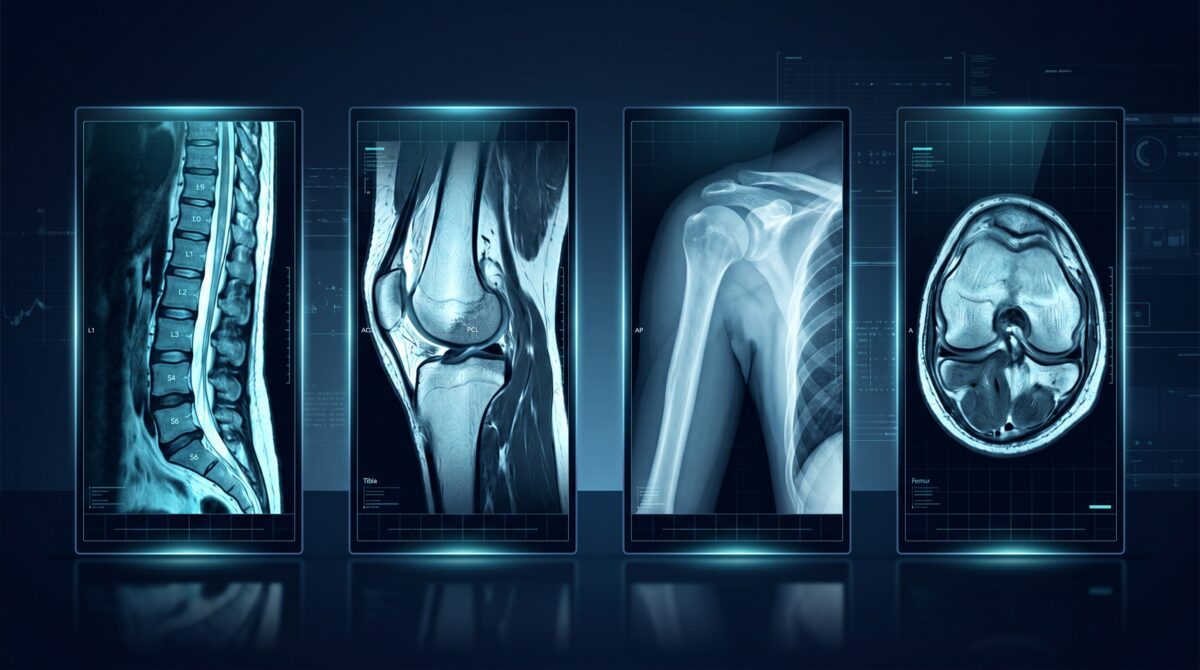
The modern clinical approach is to make a precise diagnosis of the cause by using advanced imaging techniques and functional evaluation. Individualized, pathology-specific protocols now treat degenerative disc disease, facet arthropathy, ligamentous strain, rotator cuff pathology and osteoarthritic joint degeneration.
In some patients, interventional pain management procedures and image-guided techniques have greatly minimized the need for open surgical procedures. Methods aim to decrease the quantity of inflammation, alleviate tension in nerves as needed and increase biomechanical efficiency without over damaging or spending excessive recovery time in the process.
Platelet-Rich Plasma (PRP) Therapy in Orthopedic Practice
Platelet-Rich Plasma (PRP) therapy is an established method with no doubts and is widely used in the field of regenerative orthopedics. The technique is based on the centrifugation of peripheral blood and reinfusion of a platelet-enriched plasma concentrate at the site of a musculoskeletal injury.
PRP has a high concentration (largely undiluted) of growth factors, cytokines and bioactive proteins which will modulate inflammation, angiogensia and stimulate soft tissue repair. The indications in the clinic include chronic tendinopathy, partial ligament trauma, early-stage arthritis of the knee and shoulder joints, and certain pathologies. It is minimally invasive, with an autologous source, making it a desirable choice in non-surgical treatment sequences.
Treatment by Autologous Growth Factor Concentrate Injections
Autologous Growth Factor Concentrate (AGFC) injections are a cutting-edge regenerative therapy aimed at encouraging the body’s own repair mechanisms and minimizing inflammation associated with musculoskeletal diseases. This treatment involves the use of growth factors from the patient’s own blood which are concentrated using a range of other processes to create a potent biological formulation that contains lots of regenerative proteins.
The high levels of growth factors can encourage cell regeneration, repair and boost the healing process of injured joints, tendons and ligaments. In Orthopedic surgeon in Ludhiana and spine practice, AGFC therapy is used for a host of conditions including early osteoarthritis, chronic tendon injuries, ligament strains and degenerative joint disorders.
Stem Cell Therapy and Cellular Regeneration
Stem cell therapy is a form of advanced regenerative medicine and involves cells to differentiate and to replace lost tissue. Mesenchymal stem cells, typically derived from bone marrow and/or fat, can differentiate to form chondrocytes, osteocytes and other types of connective tissue lineage cells.
Orthopaedic and spinal application of stem cell therapy are in progress for cartilage regeneration, intervertebral disc degeneration, chronic degenerate joint disease and other pathologies. The aim is to induce structural repair at cellular level, achieve improvement in joint biomechanics, and perhaps postpone disease progression. The effectiveness of this treatment is variable and largely determined by pathology severity, patient related factors, but stem cell therapy is being incorporated into the mainstream of regenerative treatment strategies.
Clinical Considerations in Shoulder Pathology
Shoulder disorders, including Rotator cuff tendinopathy, subacromial impingement and degenerative joint changes are common shoulder conditions seen in orthopedic practice. Patients usually complain of pain, limited range of motion and inability to perform daily activities.
Regenerative interventions can be a tool in a comprehensive management plan in selected cases. For shoulder pain management, there are options that use PRP and stem cells to help lessen inflammation and promote tissue repair without surgery that can be recommended.
PRP has been used for biological stimulation and reducing inflammation in the area, while stem cell therapy concentrates on the regeneration of the structure and tissue level repair in the area. Treatment choices are made according to diagnosis, degree of degeneration and functional deficits.
Integrated Strategy for Mobility Restoration
A combination of regenerative medicine, interventional and structured rehabilitation protocols is the key to the best outcomes in modern orthopedics and spine care. Physiotherapy is a key aspect of the recovery process to restore muscle strength, increase joint stability and reduce the risk of re-injury.
The incorporation of biologic therapies like PRP and stem cell procedures with rehabilitation based treatment has broadened the range of therapy available for chronic musculoskeletal disorders. This will focus on functional recovery, pain reduction, and a good quality of life.
Today’s advancements in orthopedic and spine care are driven by a new paradigm of regenerative precision-based medicine and provide patients with cutting-edge non-surgical approaches designed to restore mobility and preserve joint function.
Source :-
- https://sgrh.com/blog/modern-treatments-for-joint-and-bone-problems-your-path-to-mobility
- https://moh.org.in/blog/-modern-orthopedic-care-pain-relief-joint-replacement