N K Aggarwal Joints And Spine Centre

Regenerative Orthopedics: The Future of Joint Treatment Without Surgery

Joint pain can seriously affect your quality of life, making everyday activities like walking, climbing stairs, or even sitting down painful and difficult. For decades, the standard approach to treating joint problems relied on pain medications, physical therapy, or ultimately surgery. However, medical science has advanced significantly, and regenerative orthopedics is emerging as a game-changing option that focuses on helping your body heal naturally rather than simply covering up symptoms.

Understanding Regenerative Orthopedics

Regenerative orthopedics taps into your body’s own healing power to repair damaged joints and tissues. Rather than depending only on medications that offer temporary relief, these cutting-edge treatments work at the cellular level to trigger natural recovery. Therapies like Platelet-Rich Plasma (PRP) and other biologic treatments use growth factors from your own blood to jumpstart tissue repair, decrease inflammation, and restore joint function.

Conditions That May Benefit:

  • Chronic knee pain and stiffness
  • Early to moderate osteoarthritis
  • Cartilage damage and degeneration
  • Tendon and ligament injuries
  • Sports-related joint issues
  • Degenerative conditions in shoulders, hips, and ankles

Major Advantages of Regenerative Treatments:

  • Non-surgical solution: Avoid the risks and potential complications of major surgery
  • Quicker recovery: Get back to your normal routine much faster than with traditional surgical procedures
  • Less reliance on pain meds: Reduce dependency on medications that can cause unwanted side effects over time
  • Works with your body: Harnesses your natural healing processes
  • May postpone or prevent surgery: When caught early and paired with proper rehabilitation and lifestyle changes

The Importance of Early Intervention

Success with regenerative treatments really depends on choosing the right candidates and catching problems early. These therapies deliver the best results when joint damage hasn’t progressed too far, which is why getting evaluated sooner rather than later is critical. Delaying treatment may diminish how well regenerative options work and narrow your treatment possibilities down the road.

Selecting the Right Specialist:

Your doctor’s expertise plays a huge role in your outcomes. When looking for knee pain treatment in Ludhiana or exploring advanced joint care solutions, consider:

  • A highly qualified orthopedic surgeon in Ludhiana with extensive National and International experience, in both traditional and regenerative methods
  • Comprehensive diagnostic capabilities and thorough evaluation
  • Transparent communication with realistic expectations
  • Personalized treatment plans tailored to your specific condition
  • Current knowledge of the latest regenerative techniques and research

Finding the best orthopedic regenerative doctor in Punjab means partnering with someone who brings together clinical expertise and advanced treatment know-how to deliver comprehensive, patient-centered care.

Your Path Forward

Regenerative orthopedics offers real hope for patients looking for alternatives to surgery or dealing with ongoing joint issues. These treatments bridge the gap between basic conservative care and invasive procedures, giving you more control over how you address your joint health.

At N. K. Aggarwal Joints and Spine Centre in Ludhiana, patients benefit from state-of-the-art regenerative treatment options combined with personalized attention and clinical excellence. If you’re struggling with persistent joint pain or you’ve been told surgery is your only option, investigating regenerative therapies with a skilled specialist could unlock new pathways to recovery and a better quality of life. The future of joint care is already here, emphasizing genuine healing over just symptom management.
Major Revelation on Knee Disorders at Chandigarh Press Club

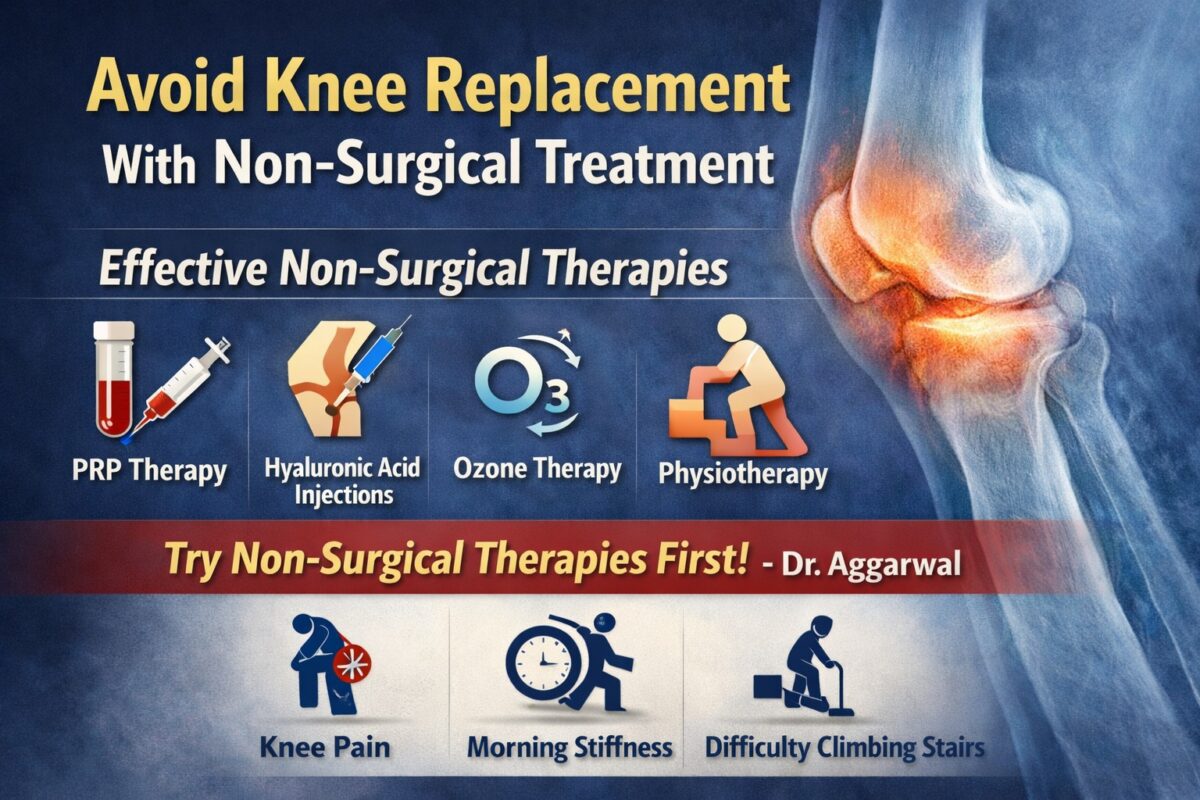
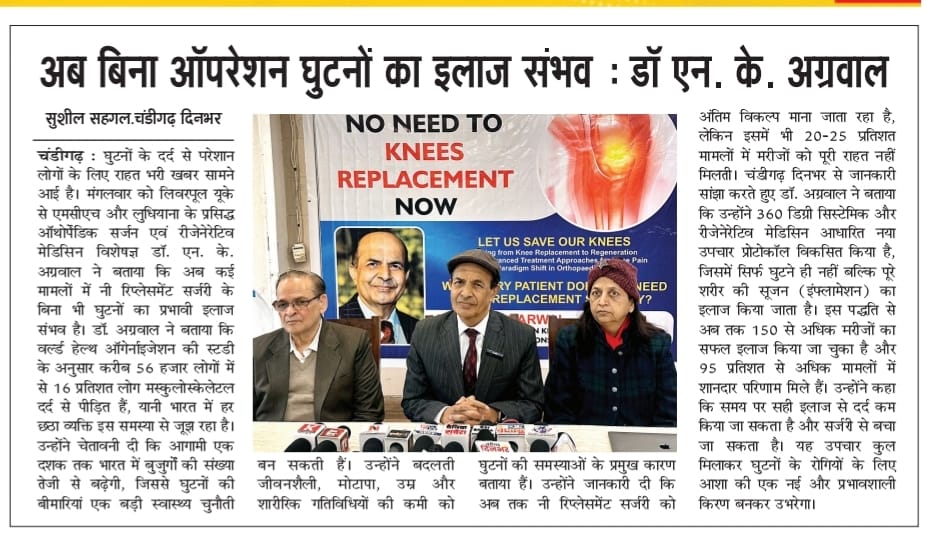
Knee Replacement Can Be Avoided with Non-Surgical Treatment, Says Dr. N. K. Aggarwal

Chandigarh:

In a major relief for patients suffering from chronic knee pain and arthritis, renowned orthopedic expert Dr. N. K. Aggarwal revealed at a press conference held at the Chandigarh Press Club that knee replacement surgery is not mandatory for every patient. With timely diagnosis and advanced non-surgical treatments, many patients can successfully avoid knee replacement and return to an active lifestyle.

Addressing the media, Dr. Aggarwal explained that knee problems are increasingly being reported not only in elderly but also among the younger population. Poor lifestyle habits, obesity, injuries, lack of physical activity, incorrect posture, and delayed medical consultation are key reasons behind the rising cases of knee arthritis.

“Surgery Should Be the Last Option,” Says Dr. Aggarwal

Media report highlighting non-surgical knee pain treatment in Chandigarh

Dr. Aggarwal emphasized that knee replacement surgery should always be the final option, not the first line of treatment.
“In many cases, patients are advised surgery without exploring non-operative solutions. With modern medical advancements, we now have effective treatments that can reduce pain and improve joint function without surgery,” he stated.According to him, early-stage and moderate osteoarthritis can often be treated successfully with non-surgical, regenerative therapies when diagnosed on time.

Advanced Non-Surgical Knee Treatments Available

During the press briefing, Dr. Aggarwal highlighted several modern, evidence-based treatments that are delivering excellent results: https://youtu.be/XyJSAf5xOso?si=EoK6aFDQus2pkGOk

  • PRP (Platelet-Rich Plasma) & Plasma Rich in Growth Factors Therapy : Uses the patient’s own blood to stimulate healing and cartilage regeneration
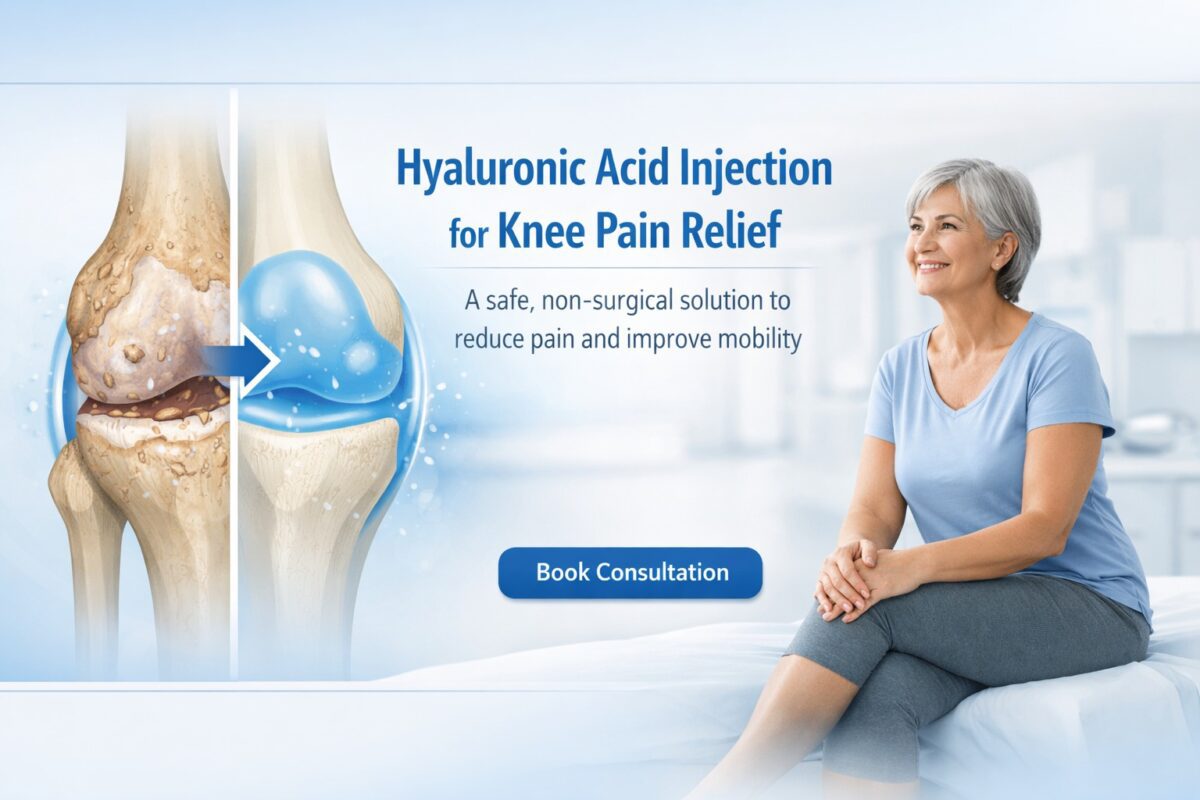
  • Hyaluronic Acid Injections: Improve lubrication in the knee joint and reduce friction
  • Ozone Therapy: Has regenerative properties, helps control inflammation and chronic pain
  • Physiotherapy & Lifestyle Correction: Strengthens muscles, improves mobility, and slows disease progression

“These treatments have helped many patients delay or completely avoid knee replacement surgery,” Dr. Aggarwal added.

Early Symptoms Should Not Be Ignored

Dr. Aggarwal warned that many patients seek treatment only when the condition becomes severe. He advised people to consult an orthopedic specialist if they experience symptoms such as:

  • Pain while climbing stairs
  • Morning stiffness in the knees
  • Swelling or difficulty standing after prolonged sitting

Early diagnosis significantly improves the success rate of non-surgical treatment.

Important Advice for Knee Pain Patients

Dr. Aggarwal shared the following key recommendations:

  • Avoid long-term use of painkillers without medical supervision
  • Maintain a healthy body weight
  • Always seek a second opinion before opting for surgery
  • Explore all non-surgical treatment options first

Conclusion

The press conference at the Chandigarh Press Club delivered a strong and clear message: knee pain does not always require surgery. With proper evaluation and advanced non-surgical treatment, many patients can preserve their natural knee joints and significantly improve their quality of life.

 Right diagnosis, timely treatment, and expert guidance can help patients avoid knee replacement surgery.


Knee Wash Therapy for Knee Pain: Safe, Effective & Minimally Invasive Relief

Introduction

Knee pain has become increasingly common in today’s fast-paced lifestyle, affecting people across all age groups. Whether it’s due to prolonged sitting, obesity, sports injuries, or early signs of arthritis, chronic knee discomfort can significantly impact your quality of life. If you’re experiencing persistent knee swelling, stiffness, or limited movement, it’s time to explore advanced treatment options. At N.K. Aggarwal Joints and Spine Centre in Ludhiana, Dr. N.K. Aggarwal, a trusted orthopedic surgeon in Ludhiana, offers safe & effective solutions including knee wash treatment—a minimally invasive procedure that provides remarkable relief without major surgery. This is used along with other injectables to improve lubrication and regeneration of the knee joint.

What is Knee Wash (Joint Lavage)?

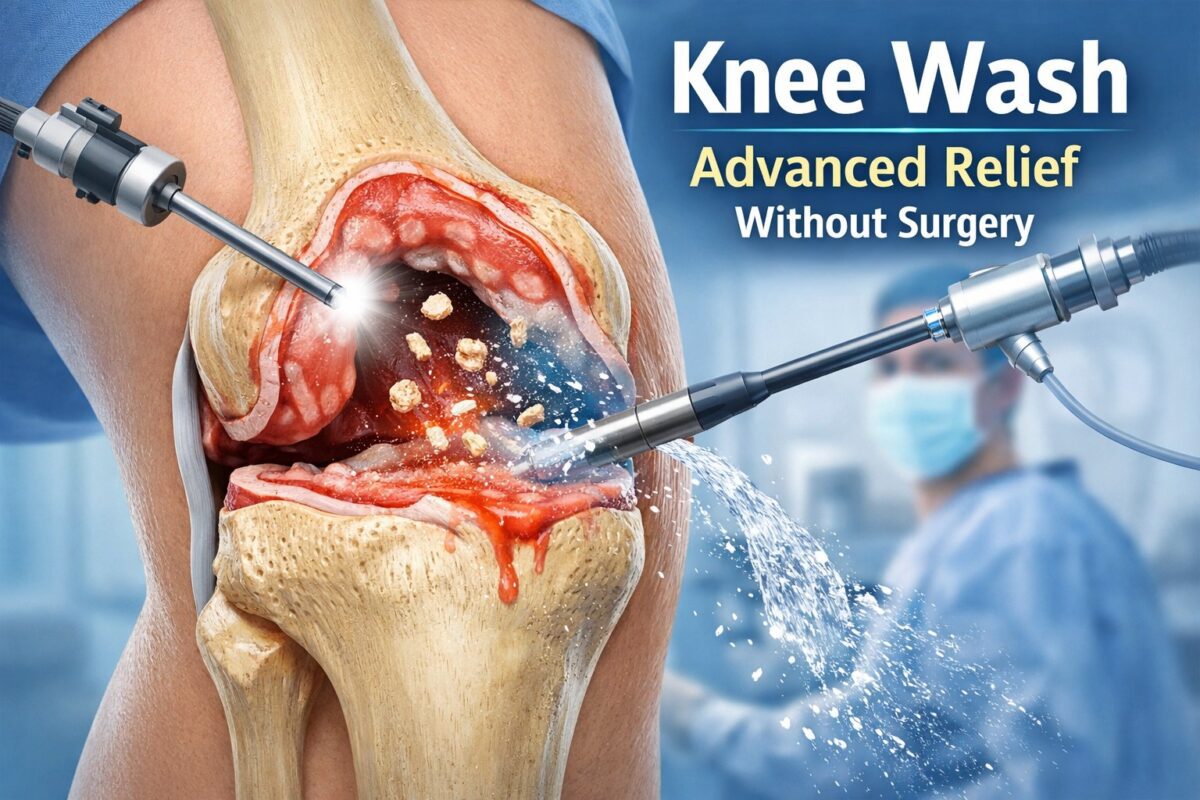
Knee wash, medically known as joint lavage or arthroscopic lavage/debridement, is a procedure designed to clean the knee joint from within. Over time, the knee joint can accumulate inflammatory fluid, cartilage debris, calcium crystals, and other waste particles that cause pain and restrict movement. During the knee wash treatment, a sterile solution is used to flush out these irritants and debris from the joint space. This cleaning process helps reduce inflammation, removes mechanical irritants, and creates a healthier environment for the joint to heal naturally. The procedure is typically performed using arthroscopy—a technique that involves small incisions, making it far less invasive than traditional open surgery.

Who Needs a Knee Wash?

Knee joint cleaning is particularly beneficial for patients experiencing:

  • Osteoarthritis of Knee, causing pain and disability
  • Persistent knee pain that hasn’t responded to medications or physiotherapy
  • Loose debris and fragments in the joint
  • Inflammatory arthritis with fluid accumulation
  • Post-injury knee swelling that limits movement
  • Patients looking to delay or avoid knee replacement surgery

This non-surgical knee pain treatment is ideal for individuals who want relief without committing to major surgical intervention. However, a thorough evaluation by an experienced orthopedic surgeon is essential to determine if you’re a suitable candidate.

Benefits of Knee Wash Treatment

Procedure & Recovery

One of the greatest advantages of knee wash treatment is its minimally invasive nature. The procedure can be mostly performed under local anesthesia and takes approximately 30-45 minutes. Using arthroscopic technique, Dr. N. K. Aggarwal makes tiny incisions through which instruments are inserted to clean the joint thoroughly.

Most patients can return home the same day, making it a convenient day-care procedure. Recovery is relatively quick—many individuals resume normal routines within 2-3 days. Post-procedure physiotherapy is often recommended to maximize benefits and strengthen the surrounding muscles.

Why Choose N.K. Aggarwal Joints and Spine Centre in Ludhiana?

When it comes to knee pain treatment in Ludhiana, experience and expertise matter immensely. Dr. N. K. Aggarwal brings years of specialized training and a patient-first philosophy to every case. The centre is equipped with state-of-the-art arthroscopic technology, ensuring precision and safety during procedures.

As one of the best orthopedic hospitals in Ludhiana, N.K. Aggarwal Joints and Spine Centre is known for:

  • Comprehensive knee pain evaluation and diagnosis
  • Personalized treatment plans tailored to individual needs
  • Advanced minimally invasive techniques
  • Compassionate care and transparent communication
  • Excellent post-treatment support and rehabilitation guidance

Conclusion & Call to Action

Don’t let knee pain control your life. If conservative treatments haven’t provided relief, knee wash could be the solution you’ve been searching for. This safe, effective procedure offers a middle ground between medication and major surgery, giving your knees a fresh start.

Schedule a consultation with Dr. N.K. Aggarwal at N.K. Aggarwal Joints and Spine Centre in Ludhiana today. Let our expert team evaluate your condition and recommend the most appropriate treatment for lasting knee pain relief. Your journey toward pain-free mobility begins with one call.

Non-Surgical Hyaluronic Acid Therapy for Knee Pain

Introduction: Understanding Knee Pain and Joint Degeneration

If you’ve been struggling with knee pain, you’re not alone. Millions of people experience knee discomfort that affects their ability to enjoy everyday activities and maintain an active lifestyle.

Simple activities like walking, climbing stairs, or even sitting for long periods become challenging. The cartilage in your knee joints gradually breaks down, reducing the natural cushioning because of reduced lubrication, that keeps movement smooth and pain-free.Fortunately, modern medicine offers effective, non-surgical solutions. One such breakthrough treatment has been Hyaluronic Acid Injection – a safe, minimally invasive option that helps restore knee function. To make this relief long lasting, it is usually combined with Knee Lavage to remove the debris, along with injections of the patient’s own Plasma Rich in Growth Factors and intra-articular ozone injections. This helps in reducing inflammation and restoration of the cartilage.

What Is Hyaluronic Acid and Why Is It Important for Knee Joints?

Hyaluronic acid is a naturally occurring substance found in the synovial fluid of healthy knee joints. It acts as a lubricant and shock absorber, allowing bones to glide smoothly during movement.

As we age or develop osteoarthritis, the quantity and quality of hyaluronic acid in the knee decrease. This leads to:

  • Increased friction between joint surfaces
  • Pain and stiffness
  • Reduced range of motion
  • Progressive cartilage damage

By replenishing hyaluronic acid through injections, we can help restore the natural protective environment of your knee joint.

How Hyaluronic Acid Injections Help in Knee Pain Relief

Hyaluronic acid injections work by supplementing the diminished natural fluid in your knee. Once injected, the solution:

  • Lubricates the joint: Reduces friction and improves smooth movement
  • Cushions the bones: Acts as a shock absorber during walking and physical activity
  • Reduces inflammation: Helps calm irritated joint tissues
  • Supports cartilage health: May slow down further degeneration

The treatment provides relief that can last several years, helping patients regain mobility and enjoy a better quality of life.

Benefits of Hyaluronic Acid Treatment for Knee Pain

Choosing hyaluronic acid injections for knee pain offers multiple advantages:

  • Non-surgical treatment: Avoid the risks and recovery time of surgery
  • Quick procedure: Completed in just 10–15 minutes in an outpatient setting
  • Minimal downtime: Resume normal activities within a day or two
  • Effective pain relief: Significant reduction in pain and stiffness
  • Improved mobility: Better flexibility and range of motion
  • Delays knee replacement: May postpone or even eliminate the need for surgery
  • Safe and well-tolerated: Minimal side effects with proven safety profile

Patients often experience noticeable improvement within 2–4 weeks after the injection.

Who Is an Ideal Candidate for Hyaluronic Acid Knee Injections?

Hyaluronic acid injections are particularly beneficial for patients with:

  • Early to moderate knee osteoarthritis
  • Persistent knee pain despite medications and physiotherapy
  • Joint stiffness and reduced mobility
  • Active individuals seeking to maintain their lifestyle
  • Patients who wish to avoid or delay knee replacement surgery

However, every patient is unique. A thorough evaluation by our orthopedic specialists at N.K. Aggarwal Joints and Spine Centre will determine if this treatment is right for you.

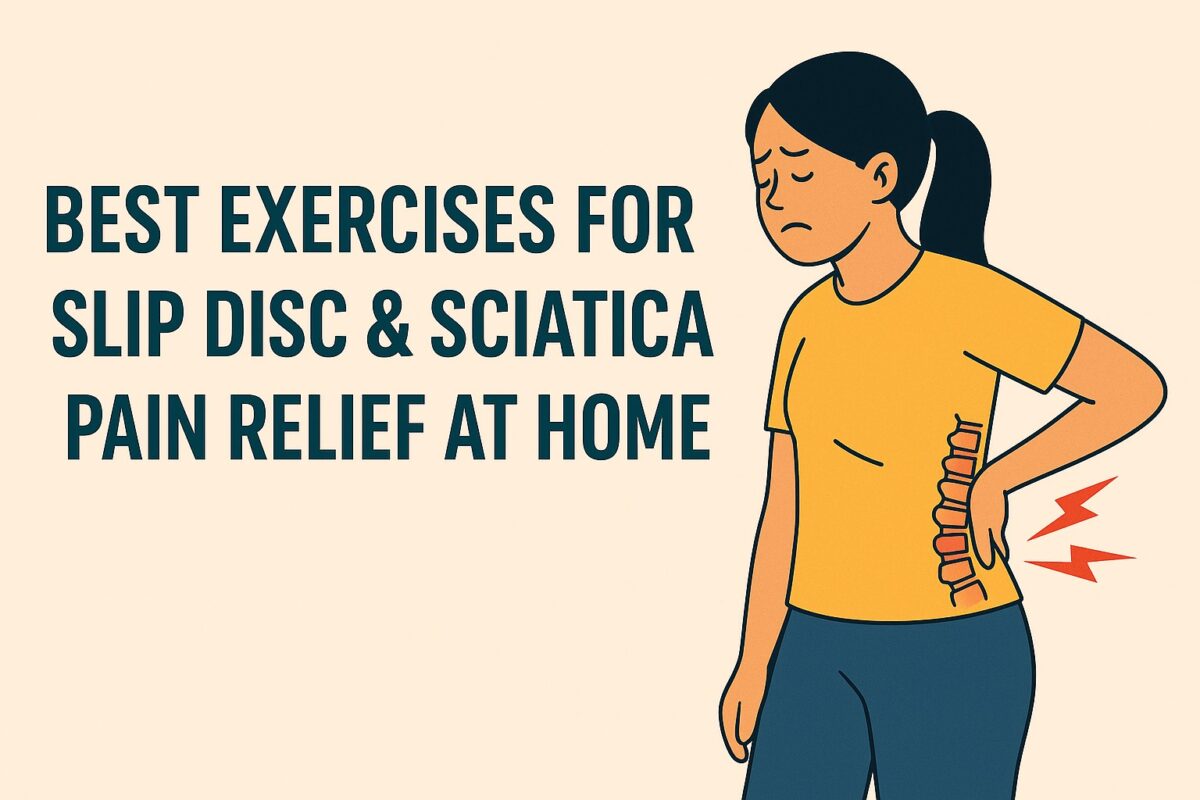
Best Exercises for Slip Disc & Sciatica Pain Relief at Home

When a slip disc or sciatica hits, the pain can be debilitating. That shooting sensation down your leg, the lower back stiffness, the numbness it all makes you want to stay in bed. But here’s what most people don’t realize: the right movement is often better than complete rest. As a spine specialist in Ludhiana, We have seen patients turn their pain around with targeted exercises done consistently at home. These aren’t random stretches they’re specific movements designed to reduce nerve pressure, strengthen your core, and give your spine the support it desperately needs.

Understanding What You’re Dealing With

A slip disc happens when the cushioning between your vertebrae bulges or ruptures, pressing on nearby nerves. Sciatica is the result sharp pain that travels from your lower back down your leg. The goal of these exercises is to gently decompress the nerve, improve flexibility, and build strength so your spine can heal. If you’re experiencing severe pain, numbness in both legs, or loss of bladder control, contact a sciatica specialist in Ludhiana immediately.

The Best Exercises for Relief

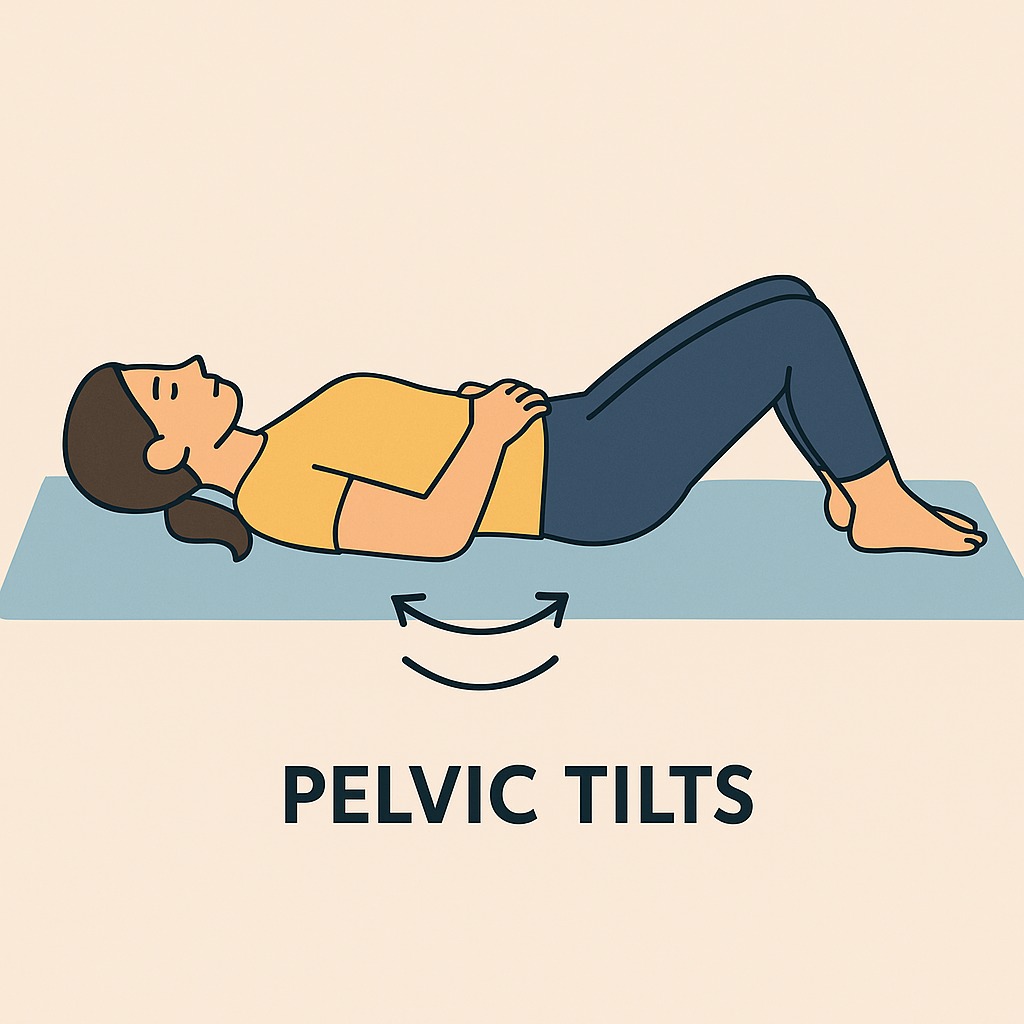
Pelvic Tilts

Lie on your back with knees bent. Flatten your lower back against the floor by tightening your abs and tilting your pelvis upward. Hold for 5 seconds. Do 10-15 repetitions twice daily. This stabilizes your spine without strain.

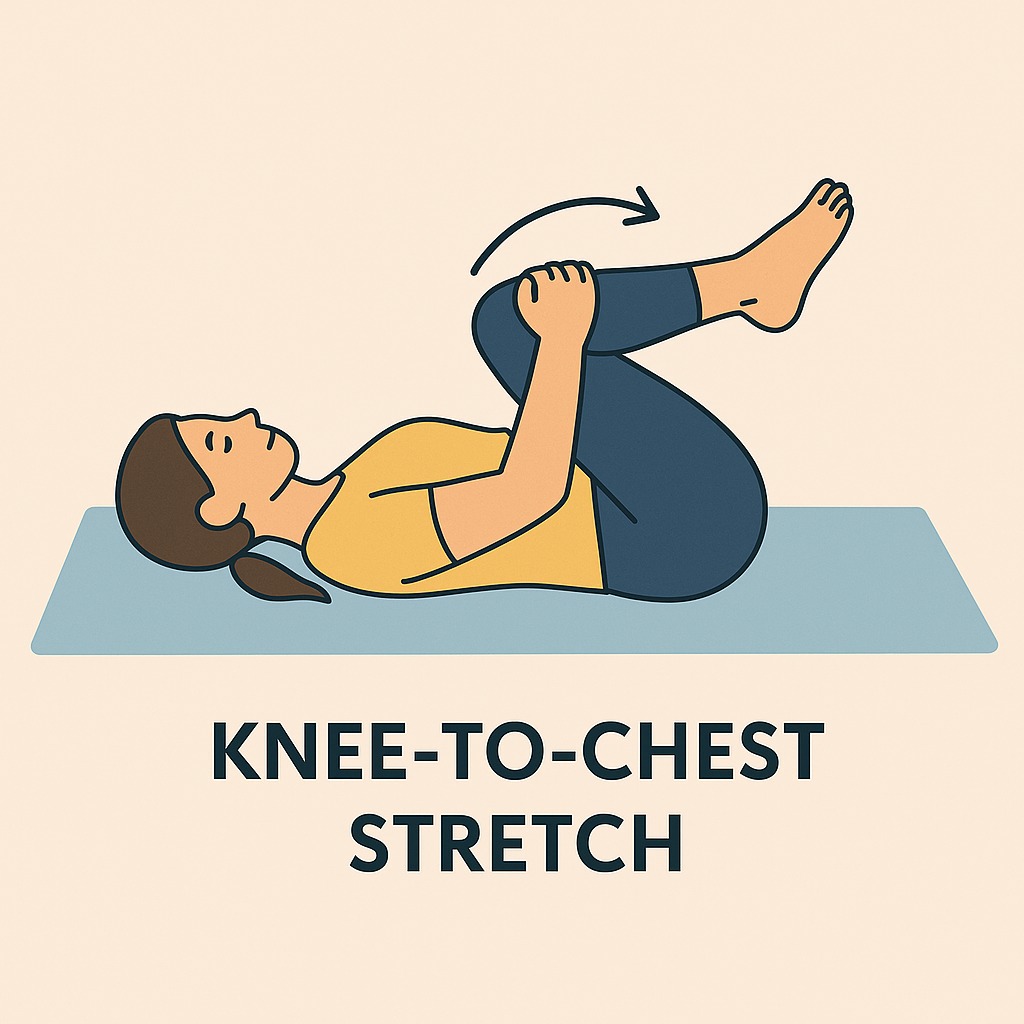
Knee-to-Chest Stretch

Lying flat, bring one knee toward your chest and hold for 20-30 seconds. Switch legs. This opens space in your lower spine and releases tension. Do 2-3 repetitions per leg.

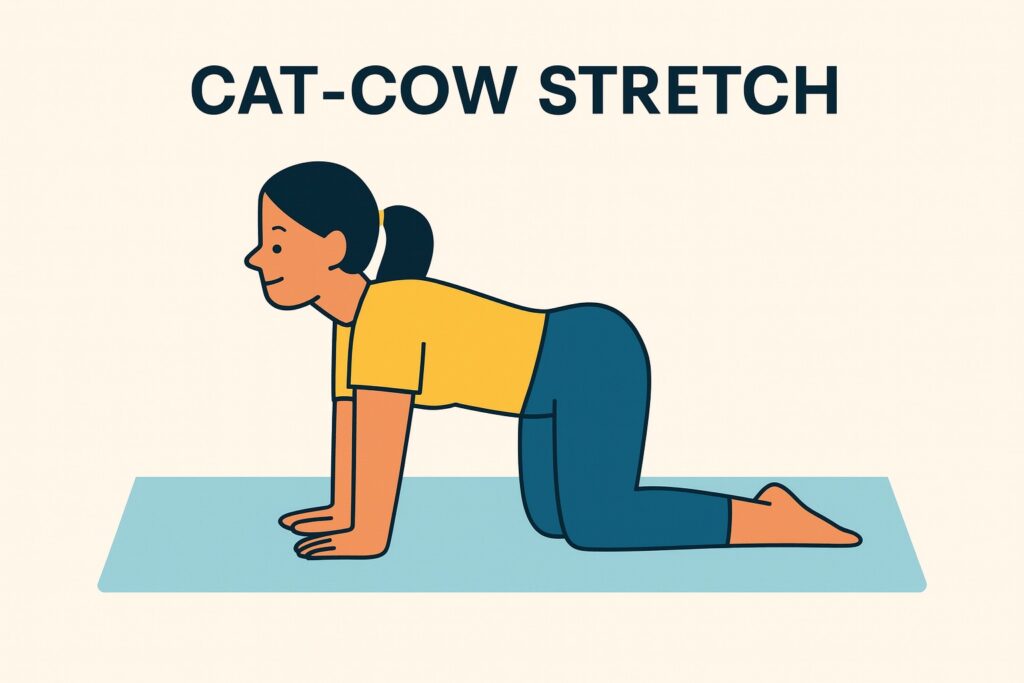
Cat-Cow Stretch

On hands and knees, arch your back upward, then let your belly drop while lifting your head. This increases spine flexibility. Do 10-15 slow cycles.

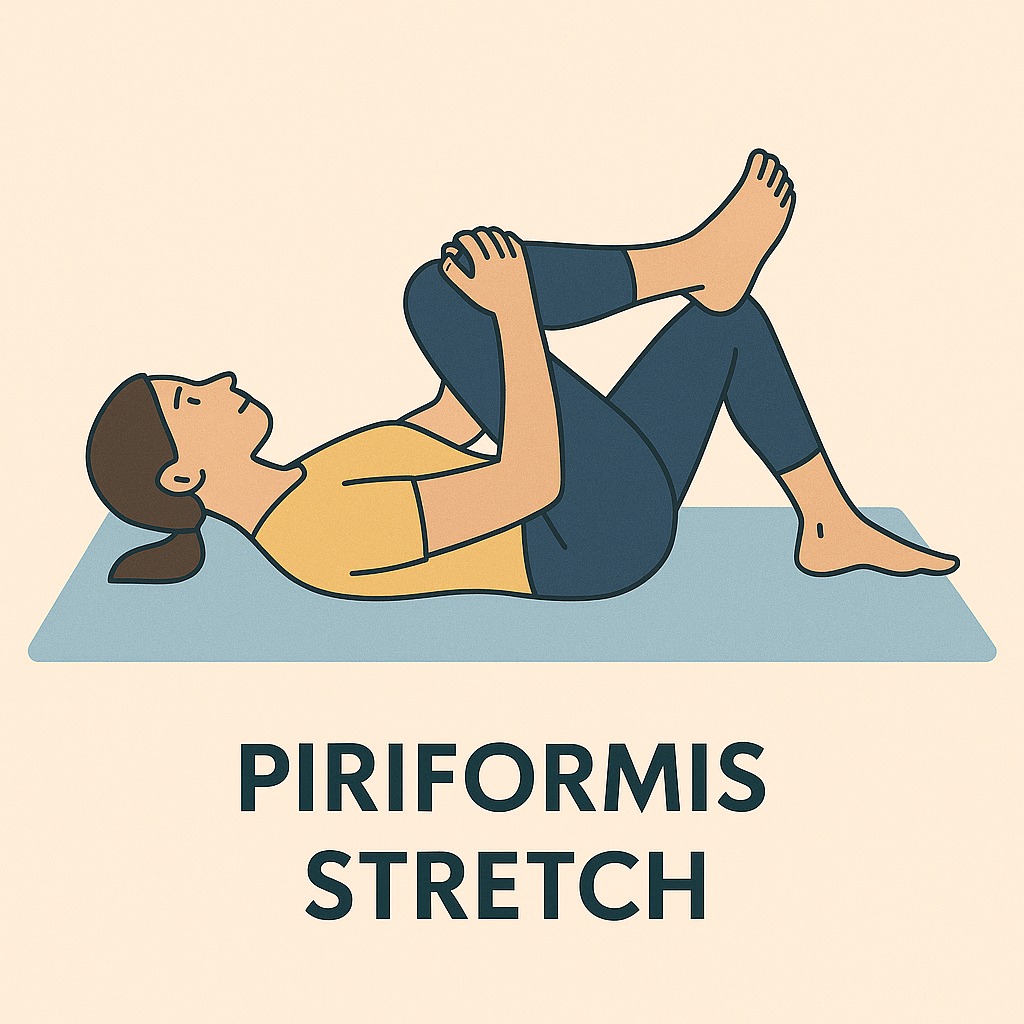
Piriformis Stretch

Lie on your back with knees bent. Cross one ankle over the opposite knee, then pull that thigh toward your chest. Hold for 30 seconds each side. This directly relieves sciatic nerve compression.

Bird Dog Exercise

From hands and knees, extend the opposite arm and leg parallel to the floor. Hold 5-10 seconds, then switch. This builds core stability that supports your spine. Do 8-10 repetitions per side.

Partial Crunches

Lie with knees bent, lift shoulders just a few inches off the floor. Hold briefly, lower slowly. This strengthens abs without straining your back. Start with 5-10 repetitions.

Walking

Simple but effective. Walking increases blood flow and keeps your spine mobile without impact. Start with 10-15 minutes daily in supportive shoes.

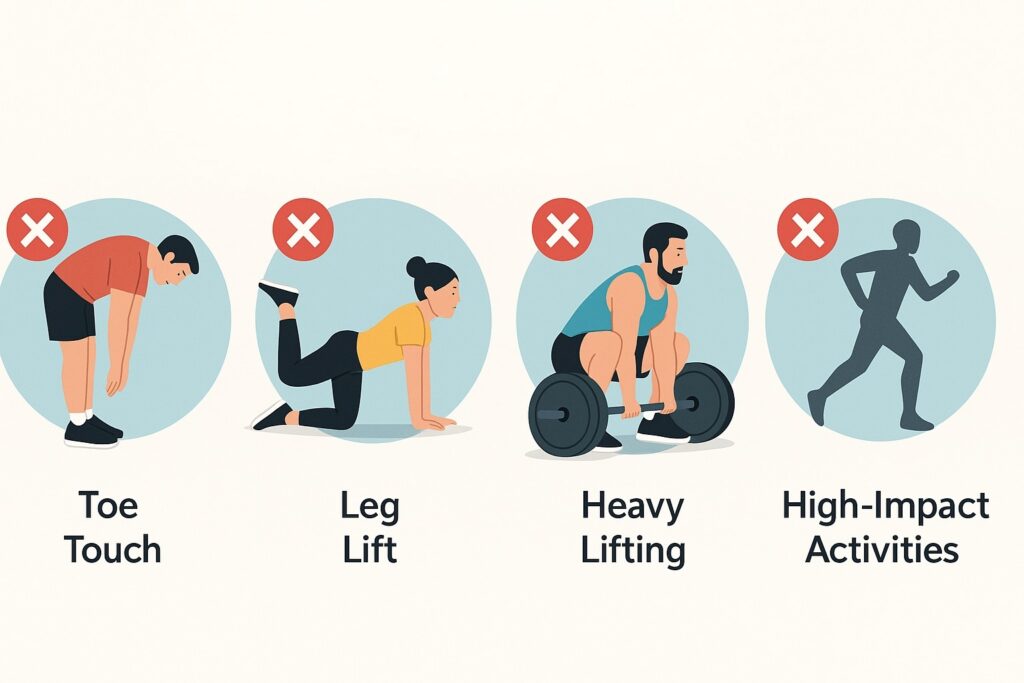
What to Avoid

Skip toe touches, leg lifts while on your stomach, high-impact activities, and heavy lifting. These increase disc pressure and worsen nerve compression.

When to Seek Professional Help

If pain isn’t improving after 2-3 weeks of consistent exercise, or if it’s getting worse, see a professional. Slip disc treatment in Ludhiana offers advanced options like physiotherapy, medication, PRP therapy, and minimally invasive procedures.

At N K Aggarwal Joints and Spine Centre, Dr. N.K. Aggarwal, a leading spine specialist in Ludhiana, combines conservative treatments with advanced interventions to help patients recover without unnecessary surgery. These exercises are a great start, but expert guidance ensures you’re on the fastest path to real, lasting relief.

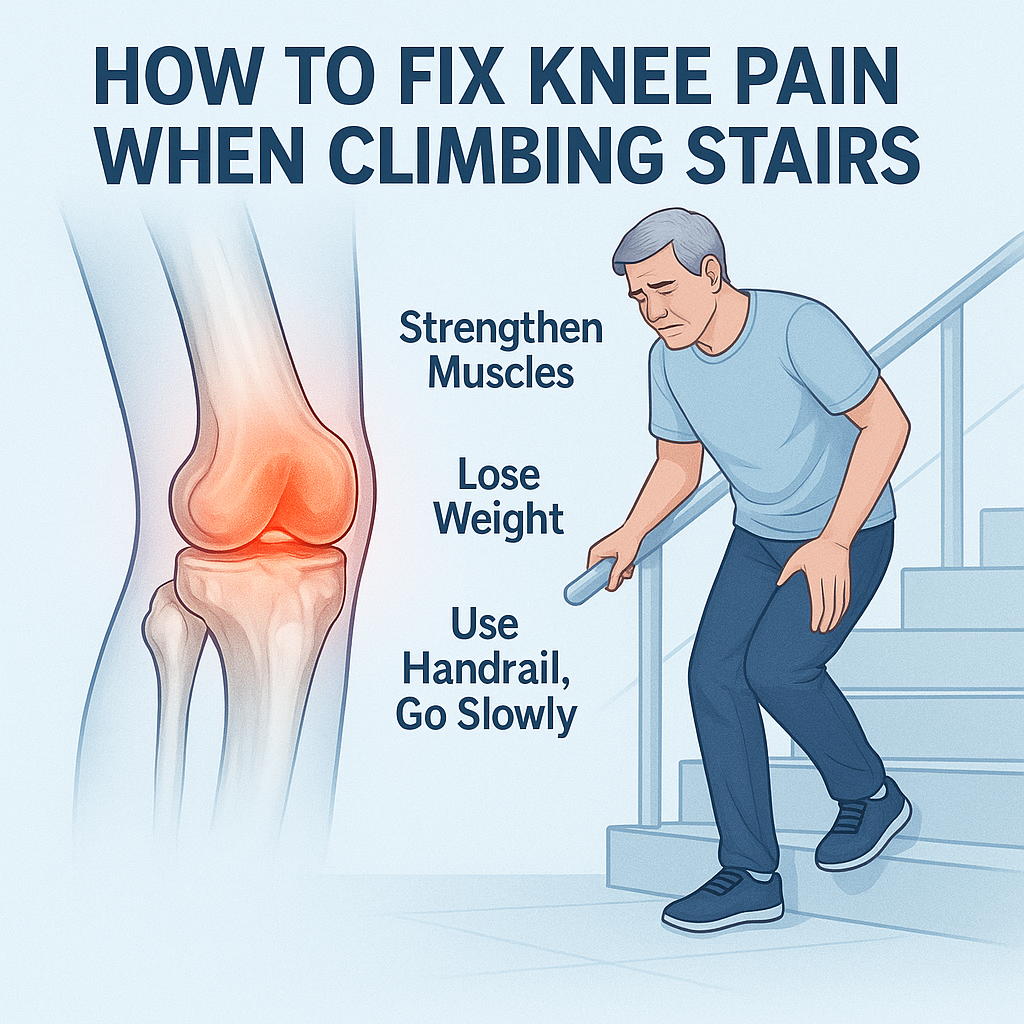
How to Fix Knee Pain When Climbing Stairs

How to Fix Knee Pain When Climbing Stairs

You’ve figured out why your knees hurt on stairs. Now comes the part that actually matters—fixing it. And here’s the good news: most knee pain on stairs doesn’t require surgery. It requires the right approach at the right time. I’ve seen people avoid stairs for years because they thought their only option was going under the knife, when really, they just needed a targeted plan. Let’s talk about what actually works, from the simplest fixes to the more advanced options when conservative methods aren’t enough.

Start With What You Can Control

Before you think about injections or surgery, there are foundational things that make a measurable difference. These aren’t glamorous, but they work.

Strengthen the Right Muscles

Weak quadriceps—the muscles on the front of your thigh—are behind a shocking number of knee problems. When these muscles can’t properly support your knee, the joint takes all the stress. Physical therapy that targets quad strength, along with hip and glute exercises, redistributes the load. Even two months of consistent strengthening can turn stairs from painful to manageable. You don’t need a gym membership. Bodyweight exercises, resistance bands, and simple leg raises done regularly will get you there.

Lose Weight If You Need To

This one’s uncomfortable to talk about, but the physics don’t lie. Every pound you lose removes four pounds of pressure from your knees. If you’re carrying extra weight, even dropping 10 pounds can make stairs noticeably easier. You don’t have to run marathons or go on extreme diets. Small, sustainable changes—cutting out sugary drinks, walking more, eating slightly smaller portions—add up faster than you think.

Adjust How You Use Stairs

Sometimes it’s not about fixing your knee as much as fixing your approach. Use the handrail every single time. Go slowly. Lead with your stronger leg going up and your weaker leg going down. Wear shoes with good arch support and cushioning—flat, worn-out sneakers make everything worse. And when there’s an elevator available, take it. Protecting your knee while it heals isn’t weakness, it’s smart.

Medical Treatments That Actually Help

When self-care isn’t enough, there are proven medical interventions that can get you back to normal without major surgery.

Physical Therapy but the Right Kind

Not all physical therapy is created equal. You want a therapist who understands knee biomechanics and can identify exactly which muscles are weak or tight. A good PT program includes strengthening, stretching, balance work, and often manual therapy to improve how your kneecap tracks. This isn’t a quick fix—expect 6 to 12 weeks—but the results are real and lasting.

Anti-Inflammatory Medications

Over-the-counter NSAIDs like ibuprofen or naproxen reduce swelling and pain. They’re helpful for flare-ups after overuse, but they shouldn’t be your long-term strategy. Used sparingly and correctly, they can calm things down enough for your other treatments to work. Just don’t rely on them to mask ongoing problems—that’s how small issues become big ones.

PRP (Platelet-Rich Plasma)/PRGF (Plasma Rich in Growth Factors) Therapy

This is where regenerative medicine shines. PRP/PRGF takes a small amount of your blood, concentrates the healing platelets, and injects them directly into the damaged area. It’s particularly effective for early arthritis, tendonitis, and meniscus injuries. Unlike painkillers that just cover symptoms, PRP/PRGF actually promotes tissue repair. Most patients see improvement within 4 to 6 weeks. There’s minimal downtime—you walk out the same day and return to normal activities within a few days. At the best orthopedic hospital in Ludhiana, PRP/PRGF has helped countless patients avoid surgery entirely.

Orthobiologic and Regenerative Therapy

This is a relatively new field but has shown rapid and promising advancements with good results. Your own blood/bone marrow/Fat derived products can be used to help regenerate/restore the damaged cartilage. If started early, these treatments can help avoid/postpone Knee Replacement Surgery. They use healing capacity of your own body to help slow down aging of joints.

Hyaluronic Acid Injections

These injections add lubrication to your knee joint, almost like adding oil to a squeaky hinge. They work best for people with mild to moderate osteoarthritis. The effects build over several weeks and can last 6 months or more. They won’t regrow cartilage, but they can significantly reduce pain and improve function during that window.

When Surgery Makes Sense

Sometimes the damage is too advanced for conservative treatment. That doesn’t mean you’ve failed—it means your knee needs structural repair.

Arthroscopic Surgery

For meniscus tears or loose cartilage fragments, minimally invasive arthroscopy can clean out the joint and repair what’s damaged. Recovery is much faster than traditional open surgery—often just a few weeks before you’re back to normal activities. It’s not for everyone, but when it’s the right call, it can be life-changing.

Partial or Total Knee Replacement

If your cartilage is completely gone and you’re dealing with bone-on-bone arthritis, replacement might be your best bet. Modern knee replacements last 15 to 20 years or more, and the recovery process has improved dramatically. But this is always the last option after everything else has been exhausted, as there can be some serious risks, complications and 20-25% dissatisfaction rates.

The Bottom Line

Fixing knee pain on stairs isn’t about finding one magic solution. It’s about starting with the basics—strengthening, weight management, smart stair technique—and escalating only when necessary. Most people get significant relief without surgery. The key is not waiting until the problem is severe. Early intervention gives you more options and better outcomes.

If you’ve been dealing with knee pain for more than a couple weeks, or if it’s getting worse instead of better, talk to an orthopedic surgeon in Ludhiana. At N K Aggarwal Joints and Spine Centre, Dr. N. K. Aggarwal specializes in finding the least invasive solution that gets you moving again. Stairs don’t have to be your enemy. With the right approach, they can just be stairs again.

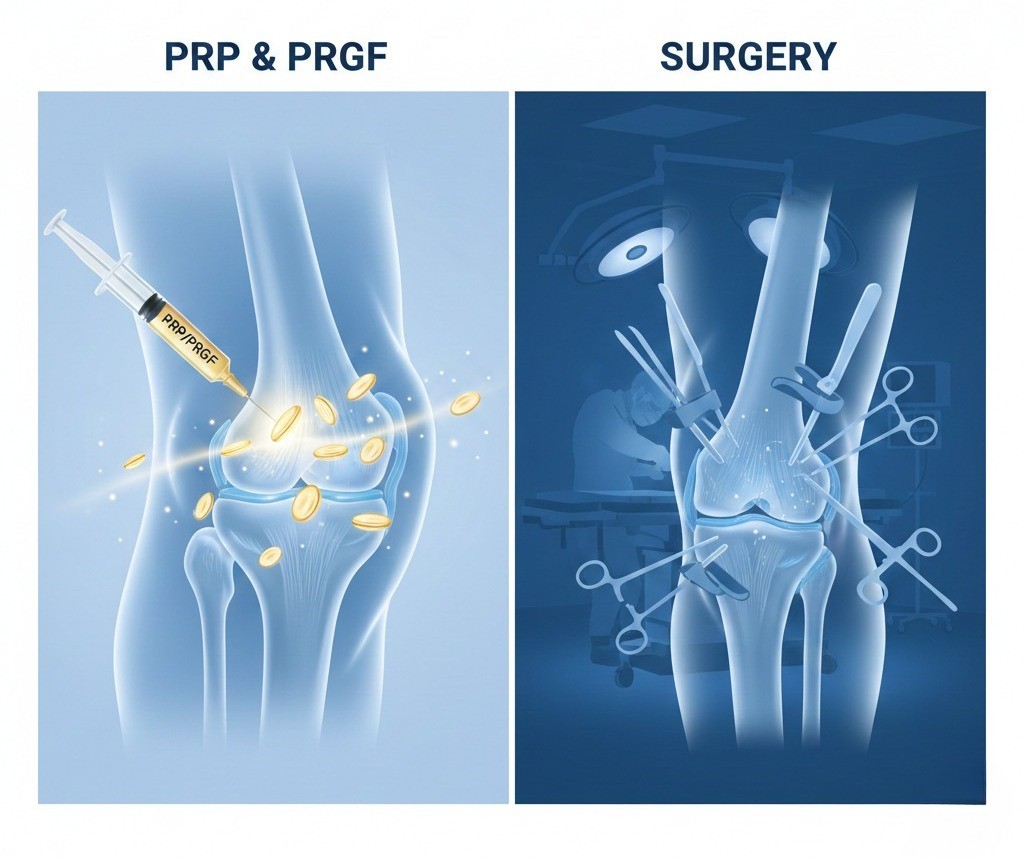
PRP & PRGF vs Surgery for Knee Problems – Which Is Better in 2026?

PRP & PRGF vs Surgery for Knee Problems – Which Is Better in 2026?

Knee pain can stop you from doing everyday things—walking, climbing stairs, or even standing for long periods. If you’re dealing with chronic knee problems, you might think surgery is your only option. But here’s what most patients don’t know: PRP (Platelet Rich Plasma) & PRFG (Plasma Rich in Growth Factors) therapy is helping thousands avoid the knife altogether. At N.K. Aggarwal Joints and Spine Centre, Dr. N.K. Aggarwal has seen remarkable results with this regenerative treatment. It’s less invasive, has faster recovery, and uses your body’s own healing power. Before you commit to surgery, understanding knee pain treatment without knee replacement could change everything. Let’s answer the questions patients ask Dr. N.K. Aggarwal about PRP & PRFG treatment for knee pain in Ludhiana.

Frequently Asked Questions

1. Why should I consider PRP/PRGF before surgery?

Surgery should be your last option, not your first. PRP therapy gives your body a chance to heal itself naturally without the risks, downtime, and long recovery that come with surgery. Many patients who were told they needed knee replacement have found relief with PRP and are still walking pain-free years later. It’s worth trying the less invasive route first—you can always choose surgery later if needed, but you can’t undo an operation.

2. How effective is PRP/PRGF treatment for knee pain?

Studies show 70-80% of patients experience significant pain relief and improved mobility with PRP/PRGF. What makes it powerful is that it actually promotes healing not just masking symptoms like painkillers do. The platelets in your blood release growth factors that repair damaged cartilage, reduce inflammation, and strengthen tissues. Patients often report being able to return to activities they’d given up on.

3. What knee problems can PRP/PRGF treat?

PRP/PRGF works exceptionally well for early to moderate osteoarthritis, meniscus tears, ligament injuries, patellar tendinitis, and chronic knee pain from overuse. If you’ve been told you’re “not bad enough for surgery yet,” PRP/PRGF is perfect for that stage. It can stop degeneration in its tracks and help you avoid ever reaching the surgery stage.

4. Is PRP/PRGF really safer than surgery?

Absolutely. PRP/PRGF uses your own blood, so there’s virtually no risk of infection, rejection, or serious complications. You walk out the same day with minimal discomfort. Compare that to surgery: anesthesia risks, potential infections, blood clots, months of rehab, and the possibility that the surgery doesn’t fully resolve your pain. For the best orthopaedic regenerative doctor in Punjab, PRP/PRGF represents the future of knee treatment.

5. How quickly can I get back to normal activities after PRP/PRGF?

Most patients resume light activities within a few days. There’s no hospital stay, no bed rest, no crutches, no extensive physical therapy requirements. You might feel sore for 24-48 hours, but that’s it. Compare that to knee surgery where you’re looking at 3-6 months of recovery, weeks off work, and intensive rehab. PRP/PRGF lets you maintain your life while your knee heals.

6. Can PRP/PRGF really help me avoid knee replacement?

Yes, And this is where PRP/PRGF shines. If you catch knee problems early enough, PRP/PRGF can delay or completely eliminate the need for replacement surgery. Dr. N.K. Aggarwal has treated countless patients who were knee replacement candidates but are now living active, pain-free lives years later. The key is not waiting until your knee is bone-on-bone. Early intervention with PRP/PRGF gives you the best chance of keeping your natural knee.

7. What makes PRP/PRGF better than just taking medications?

Pain medications only mask the problem they don’t heal anything. Anti-inflammatories can actually slow down healing and damage your stomach, liver and kidneys over time. PRP/PRGF addresses the root cause by restoring damaged tissue. You’re not just covering up pain; you’re actually repairing your knee from the inside out. It’s true knee pain treatment in Ludhiana that focuses on healing, not just symptom management.
8. How many PRP/PRGF treatments will I need?

Most patients see results after 3 injections spaced 1-3 weeks apart. Some need maintenance injections after a few years, depending on the stage of disease when the treatment is started. That might sound like a lot until you compare it to surgery – one operation, months of recovery, and no guarantee it solves the problem permanently. PRP is a small time investment with significantly less disruption to your life.

9. What if PRP/PRGF doesn’t work for me?

Even if PRP/PRGF doesn’t give you complete relief, you haven’t lost anything. You still have further regenerative therapy options like Bone marrow and Fat derived stem cell treatments. Surgical options would however always be available, but now you’ve tried the conservative approach first. Many insurance companies and doctors actually prefer seeing patients, try regenerative treatments before jumping to surgery. And honestly, the success rate is high enough that most patients don’t need to go further.

10. Why choose Dr. N.K. Aggarwal for PRP treatment?

As an experienced orthopedic surgeon in Ludhiana, Dr. N.K. Aggarwal, because of his huge experience of 5 decades, working around the world, understands both surgical and non-surgical approaches. That balanced perspective matters you want a doctor who won’t push you toward surgery when a simpler solution exists. At N.K. Aggarwal Joints and Spine Centre, the focus is on regenerative treatments that preserve your natural joint and get you back to living without the trauma of surgery.

Closing Thoughts

Surgery has its place but in 2026, we have better options for most knee problems. PRP/PRGF therapy offers a path to healing that’s safer, faster, and less disruptive to your life. If you’re dealing with knee pain and haven’t explored knee pain treatment without knee replacement, you owe it to yourself to try PRP/PRGF first. The results speak for themselves: patients avoiding surgery, staying active longer, and healing naturally. Don’t let fear or outdated thinking push you into an operating room when your body might heal itself with the right help. Contact Dr. N.K. Aggarwal at N.K. Aggarwal Joints and Spine Centre to learn if PRP/PRGF is right for you. Your knees deserve a chance to heal before going under the knife.

3  most important links beyond our experience

  1. https://www.hopkinsmedicine.org/health/treatment-tests-and-therapies/platelet-rich-plasma-prp-treatment
  2. https://orthoinfo.aaos.org/en/treatment/platelet-rich-plasma-prp/
  3. https://www.mayoclinic.org/diseases-conditions/osteoarthritis/symptoms-causes/syc-20351925

6 Ways to Find the Best Orthopedic Surgeon

6 Ways to Find the Best Orthopedic Surgeon

Let’s be honest: facing a joint or spine issue is already stressful enough. Then comes the monumental task of choosing the right specialist, the one person you trust with your health, mobility, and future. You are not just looking for a doctor; you’re looking for the best orthopaedic surgeon in Ludhiana, Punjab, or anywhere else.

At the N K Aggarwal Joints and Spine Centre, we want to simplify this search. This isn’t about looking at glossy brochures. It’s about checking for substance. Our head surgeon, Dr. N. K. Aggarwal set this standard, and every patient should demand it. Here are six essential filters to apply when making this life-changing choice.

1. Don’t Just Verify—Demand Elite Credentials

Every surgeon has a degree, but few have earned training that meets global standards. Your first step is to confirm the surgeon’s education. For a leader like Dr. N. K. Aggarwal, his background—including a Master of Surgery (Orthopaedics) and the highly regarded M.Ch. from the University of Liverpool, UK—shows a dedication far beyond the local baseline. To add to this Dr Aggarwal has worked at some of the best centres in the world and had fellowships in the USA, Switzerland and the UK. These credentials aren’t just letters; they are proof of a globally focused commitment to surgical mastery. Don’t settle for less.

2. Check Their Depth of Specialization

Think about it: would you hire a general handyman to fix a foundation crack? Of course not. The human spine and major joints are complex, so deep specialisation is vital. The best surgeons focus their entire practice on either the spine or major joint replacements (like the hip and knee), not general orthopaedics. A specialist at the N K Aggarwal Joints and Spine Centre performs these complex procedures constantly, meaning their expertise is razor-sharp.

3. Ask Them: “How Often Do You Do This?”

Surgical skill is a muscle, and it gets stronger through constant use. You have a right to ask about their experience: “How many times did you perform my exact procedure in the last year?” When a surgeon can point to a high volume of successful surgeries, as Dr. Aggarwal and his team can, you know you’re benefiting from competence that comes from experience.

4. Judge the Communication and ‘Vibe’

Your surgeon should be your partner, not a dictator. You need someone who listens to your story, the pain, the worries, the impact on your life—before looking at the MRI. Pay attention to how the surgeon communicates during your consultation. Are they patient? Do they explain your diagnosis in clear Hindi or English without rushing? If you walk away feeling confused or unheard, they aren’t the right fit, no matter how good their CV looks. Trust your gut feeling on this one.

5. Look for a Conservative Treatment Mindset

An ethical, patient-focused surgeon always views surgery as the absolute last resort. They are experts in pain management and non-surgical therapies (like targeted injections and physical therapy) first. If a surgeon pushes immediately for an operation without thoroughly explaining and attempting conservative options, that’s a significant red flag. Dr N.K. Aggarwal Joints and Spine Centre’s philosophy is simple: we want you back on your feet with the least invasive treatment possible.

6. Check Online Reviews for the Real-World Experience

Online reviews are a window into the patient experience, revealing the culture of the center beyond the operating room. Don’t just look at the star rating. Dig into the specific comments. Did patients mention the kindness of the nursing staff? Was the postoperative care clear and consistent? Reviews are where you find out if the surgeon not only has great hands but also runs a great, supportive operation. A consistent track record of patient satisfaction is the final piece of the puzzle.

Ozone Therapy for Knee Pain: A Game-Changer in Non-Surgical Treatment

Ozone Therapy for Knee Pain: A Game-Changer in Non-Surgical Treatment

The Moment You Hear “Knee Replacement”

Let’s be honest: when your doctor brings up knee replacement surgery, a little anxiety monster crawls into your stomach. It’s not just the procedure itself; it’s the risks of complications and failure of surgery, long, gruelling recovery, the weeks of physical therapy, and the temporary loss of independence, apart from a real possibility of repeat surgery due to fracture of bones or wearing out of the artificial joint. You just want to walk without pain, but the cure sounds almost as bad as the problem!

For years, it felt like surgery was the only option for serious, chronic knee pain caused by things like osteoarthritis. But thankfully, modern medicine is offering a truly promising alternative that avoids the knife: Ozone Therapy. It’s rapidly gaining popularity as an effective Ozone Therapy Knee Replacement Alternative.

What on Earth is Ozone Therapy? And How Does It Help?

First things first: this is not about the environmental ozone layer. This is medical-grade ozone, a special mixture of oxygen and ozone gas. When injected into the painful knee joint, it does some remarkable things that feel almost too good to be true, but the science is there.

Think of your knee joint as a crowded, angry room full of inflammation and tired tissues. Ozone comes in like a quiet, yet powerful, cleanup crew:

  • It Calms the Storm: Ozone is a potent anti-inflammatory agent. It helps reduce the painful swelling and irritation that are causing all that persistent, aching discomfort.
  • It Refuels the Healers: It significantly improves blood flow and increases the amount of oxygen in the joint capsule. More oxygen means your body’s own natural healing cells can finally get to work repairing and regenerating damaged tissue.
  • It Boosts Lubrication: A healthier joint environment means the knee can move more freely, often leading to better mobility and less stiffness.

Simply put, instead of cutting out the problem, ozone therapy works with your body to heal it from the inside out. That’s why it’s being hailed as an exceptional Ozone Therapy Knee Replacement Alternative, especially when used with other biological treatments

Why Consider Skipping the Operating Room?

Choosing a non-surgical path isn’t just about avoiding a scar. It’s about choosing a treatment that respects your life and schedule:

  1. Life on Your Terms: You’re looking at a quick, outpatient procedure, not a hospital stay. You can often get back to your routine the very next day. Compare that to the months of recovery required after major surgery!
  2. Less Risk, More Reward: There are far fewer risks involved compared to major surgery. No general anesthesia. No risk of infection from a prosthetic joint. It’s a lower-stakes way to achieve high-impact pain relief. 
  3. Keeping What’s Yours: A knee replacement is exactly that—a replacement. Ozone therapy aims to heal and preserve your natural joint structure. You keep your original equipment, just optimized!

Ready to Explore a New Path?

If you’re sitting there rubbing your aching knee, maybe it’s time to stop worrying about surgery and start asking about modern alternatives.

If you’re serious about exploring Ozone Therapy as a genuine knee replacement alternative, the best first step is a consultation with a specialist who truly understands these cutting-edge techniques.

We highly recommend connecting with a renowned expert like Dr. N K Aggarwal at N K Aggarwal Joints and Spine Centre. Dr. Aggarwal and his dedicated team focus entirely on finding minimally invasive, regenerative solutions to get you back on your feet and back to your life without the trauma of major surgery. They can assess your specific condition and tell you honestly if ozone therapy is the right, positive step forward for you.

Why wait for the pain to get worse? Take control of your knee health today!

Source used to write this article:

Ozone Improves Pain, Function and Quality of Life in Patients with Knee Osteoarthritis (KOA):

Ozone Therapy Efficacy and Safety (Systematic Review):

Updated Review on Ozone Therapy in Pain Medicine:

Comparison of Ozone Therapy vs. Hyaluronic Acid for Knee OA:

Is Your Back Pain Causing Your Anxiety? The Powerful Link Between Spine Health and Your Mood

Is Your Back Pain Causing Your Anxiety? The Powerful Link Between Spine Health and Your Mood

We all know that chronic back or neck pain is a physical nightmare. It restricts your movement, steals your sleep, and makes every task feel impossible.

But what if we told you that lingering spine issues might also be the silent fuel for your stress, anxiety, and general emotional drain?

It might sound surprising, but the connection between your structural health (your spine) and your emotional state is profound. At the N K Aggarwal Joints and Spine Centre, led by Dr. N.K. Aggarwal, we treat the whole patient and understanding this spine-mind link is the first step toward true recovery.

Here’s why taking care of your spine is essential for mental peace.

1. The Nervous System Highway

Your spine isn’t just a stack of bones; it’s the protected housing for your central nervous system (CNS), the superhighway that transmits all signals between your body and brain. When a disc is herniated, a vertebra is misaligned, or joints are inflamed, this isn’t just pain—it’s irritation to the nerves.

This constant, low-level irritation doesn’t just register as physical discomfort; it floods your brain with signals of distress, keeping your entire system on high alert. Essentially, your nervous system is continuously signalling “threat,” which manifests in your mind as elevated stress and anxiety.

2. The Cortisol and Stress Loop

Chronic pain is one of the most powerful stressors the human body can endure. When you live with back pain every day, your body responds by pumping out stress hormones, primarily cortisol.

This is meant to be a short-term survival mechanism. However, when cortisol levels are chronically high, they interfere with sleep, disrupt mood regulation, and increase feelings of anxiety and irritability. The loop is vicious: Pain causes stress hormones, which lead to anxiety, which makes you tense up, which worsens the pain. Treating the source of the pain is the only way to break this physiological cycle.

3. How Posture Affects Your Confidence and Mood

Think about the physical appearance of depression or deep fatigue: hunched shoulders, a lowered head, and a slumping posture. This isn’t just a visual symptom; it’s a feedback mechanism. Studies show that people who maintain an upright, “powerful” posture report higher levels of self-esteem and lower levels of social anxiety.

Conversely, when spine issues force you into a guarded, slouched position, it restricts your breathing and limits the production of endorphins, making you feel physically and psychologically closed off. Treating neck and back issues allows you to physically stand tall, which literally changes the chemical signals your brain receives about your current emotional state.

4. The Hidden Toll of Sleep Deprivation

One of the most immediate effects of back or joint pain is the total destruction of quality sleep. You toss, you turn, and you wake up stiff, often leading to only a few hours of light, fragmented rest.

Lack of deep, restorative sleep is a direct trigger for heightened anxiety and depression. When you’re tired, your emotional resilience drops to zero. Everything feels harder, more overwhelming, and more urgent. Until the underlying spinal issue is managed, getting the rest you need to stabilize your mood will remain a challenge.

Treating the Spine, Calming the Mind

If you’ve been struggling with unexplained anxiety, irritability, or persistent stress alongside your physical pain, understand that they are likely connected. Addressing the structural problem in your spine is one of the most impactful ways to reset your entire nervous system and regain emotional balance.Whether through conservative therapies, targeted injections, or specialized surgical intervention, the goal at the N K Aggarwal Joints and Spine Centre is not just to fix the joint—it’s to restore your life and your peace of mind.