
The Silent Warning Signs of Joint Damage You Should Never Ignore

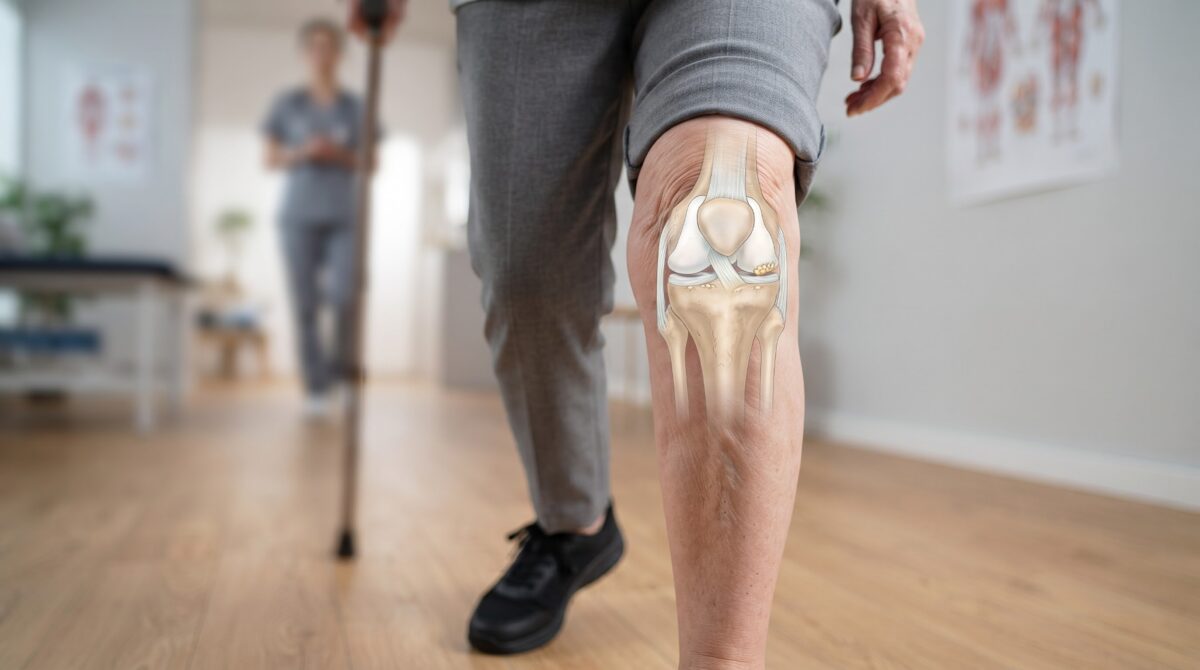
The Silent Warning Signs of Joint Damage You Should Never Ignore
Joint disorders are one of the most common causes of chronic pain and physical disability in the world today. Patients typically do not notice the early stages of arthritis symptoms until years into its onset, and although advanced osteoarthritis and major cartilage loss often go hand in hand, the disease itself typically starts a long time before that. These are signs that the joint is still in process of becoming damaged and is at an early stage and it can be saved with minimal orthopedic surgeon in ludhiana intervention.
Dr. N. K. Aggarwal Joints And Spine Centre gives special importance to early diagnosis, a proper clinical evaluation, and evidence based treatment, all of which is geared towards maintaining natural joint function and preventing the disease to reach the stage of irreversible damage. Identification of the silent signs of joint damage enables patients to benefit from treatment before severe cartilage loss and functional loss take place.
Joint Damage Begins Long Before Severe Pain Develops
The synovial joint is a highly specialized biomechanical structure composed of its articular cartilage, subchondral bone, synovium, ligaments, tendinous structures and surrounding muscle. All parts act in unison to evenly divide loads, take impact, and allow for pain free and smooth motion.
This balance can be disrupted as a result of age onset degeneration, mechanical repetitive stress, damage caused by sporting activities, obesity, inflammatory arthritis, metabolic disorders, and previous trauma. At first, the signs and symptoms are likely to be mild, due to tiny cartilage defects, and low-grade inflammation of the synovium. In the absence of proper treatment, these pathological processes continue to destroy the joints’ biomechanics in a progressive manner and contribute to cartilage degradation, which leads to development of advanced osteoarthritis over time.
Persistent Pain Should Never Be Dismissed
A particular early sign is ongoing pain persisting beyond the time during which the tissue is healing. Joint pain from structural damage may return with weight bearing, standing for long periods, climbing up and down ladders or movements during the day.
Constant pain can indicate that you have suffered early cartilage damage, damage to the meniscus, injury to ligaments, subchondral bone stress or inflammation of the joint. If they are evaluated at an advanced stage, these pathological processes have already taken place and conservative measures are no longer as effective.
Morning Stiffness Reflects Ongoing Joint Inflammation
Clinical symptoms like morning stiffness which endure longer than 20-30 minutes is a significant indicator that should be assessed by an orthopedic specialist. Patients often report loss of power to move after a while of rest, or when they wake up in the morning.
This is frequently due to synovial inflammation, a decrease in lubrication and early degeneration of the art cart.This usually follows suffering from synovial inflammation, loss of joint lubrication and early damage to the articular cartilage. It is important not to think that the symptoms of recurrent stiffness are only caused by ageing; this very often does not reflect the ageing process, but reflects an ongoing disease process that should be medically addressed.
Recurrent Swelling Indicates Intra-Articular Pathology
Inflammation of the joint leads to swelling because of a biological response to the swelling. If there is any swelling, even though it is only for a short time, it is an indicator that the joint is under pathological stress. The most common underlying condition is synovitis, cartilage injury, tears in the menisci, damage to the ligaments, crystal arthropathy and early arthritis due to cartilage damage.
The continuous inflammation can lead to release of degradative enzymes and inflammatory cytokines, which leads to rapid cartilage degradation, thus the importance of early diagnosis and treatment.
Mechanical Symptoms Suggest Structural Joint Abnormalities
When clicking, grinding, locking or catching is associated with pain and/or functional limitation, it should not be considered a harmless aging process. These mechanical symptoms are often signs of abnormalities of the normal joints surfaces.
The causes are thought to be the cartilage defects, progressive meniscal tearing, loose pieces of cartilage, insufficient ligaments and progressive osteoarthritis. This requires an extensive evaluation of the orthopedic system with proper imaging to make an accurate diagnosis of the underlying disease. .
The Clinical Value of Early Orthopedic Intervention
Modern orthopedic practice, with detailed clinical examination and state-of-the-art imaging techniques such as digital radiography, musculoskeletal ultrasound, and clinically when indicated: magnetic resonance imaging.
Correct diagnosis of the disease allows to take the following therapeutic measures:
- Modification of activity and biomechanical correction
- Structured physiotherapy and strengthening of muscles
- Treatment of pain and inflammation using drugs.
- Image-guided intra-articular injections
- In selected patients, regenerative orthopedic therapies (ROT) can be applied to certain patients, regenerative orthopedic therapies (ROT) can be applied.
- Arthroscopic joint preserving surgery (arthroscopy)
- When conservative treatment has failed, surgery on the knee or hip may be appropriate at the right time and can result in a significant improvement in the overall function of the joint.
Early intervention always yields better functional results and less chance of permanent cartilage damage.
Specialized Orthopedic Care at Dr. N. K. Aggarwal Joints And Spine Centre
Every patient at Dr. N. K. Aggarwal Joints And Spine Centre is subjected to a thorough orthopedic examination to determine the exact cause of the joint dysfunction. Treatment approaches are personalized based on clinical, imaging, functional, and orthopedic evidence-based guidelines.
The centre has a full range of services for osteoarthritis, sport injuries, ligament disorders, cartilage lesions, inflammatory joint disorders, complex reconstructive surgery and advanced joint replacement surgery. The cornerstone goal is to maintain mobility, reduce pain, restore biomechanical function, and enhance quality of life in a patient-directed orthopedic approach.
Conclusion
Joint damage is typically not an overnight occurrence. It is a biochemical degenerative disease with very subtle clinical symptoms that will usually precede irreversible structural damage. If joint pain persists, morning stiffness lasts for more than 15 minutes, there is a tendency to swelling joints, mechanical symptoms, decreased mobility, instability or functional limitation, then it is not something that should be taken lightly.
Having a seasoned orthopedic expert diagnose the condition early allows for timely treatment plans and initiating proper treatment before extensive cartilage damage has taken place. In conclusion, early intervention, sophisticated diagnostics, and evidence-based orthopedic care are all crucial elements in maintaining joint health and ensuring patients lead active, independent, and pain-free lives at Dr. N. K. Aggarwal Joints And Spine Centre.
Links :-
https://pubmed.ncbi.nlm.nih.gov/309126/
https://www.ncbi.nlm.nih.gov/books/NBK279589/