
Understanding Age-Related Joint Changes and How to Manage Them

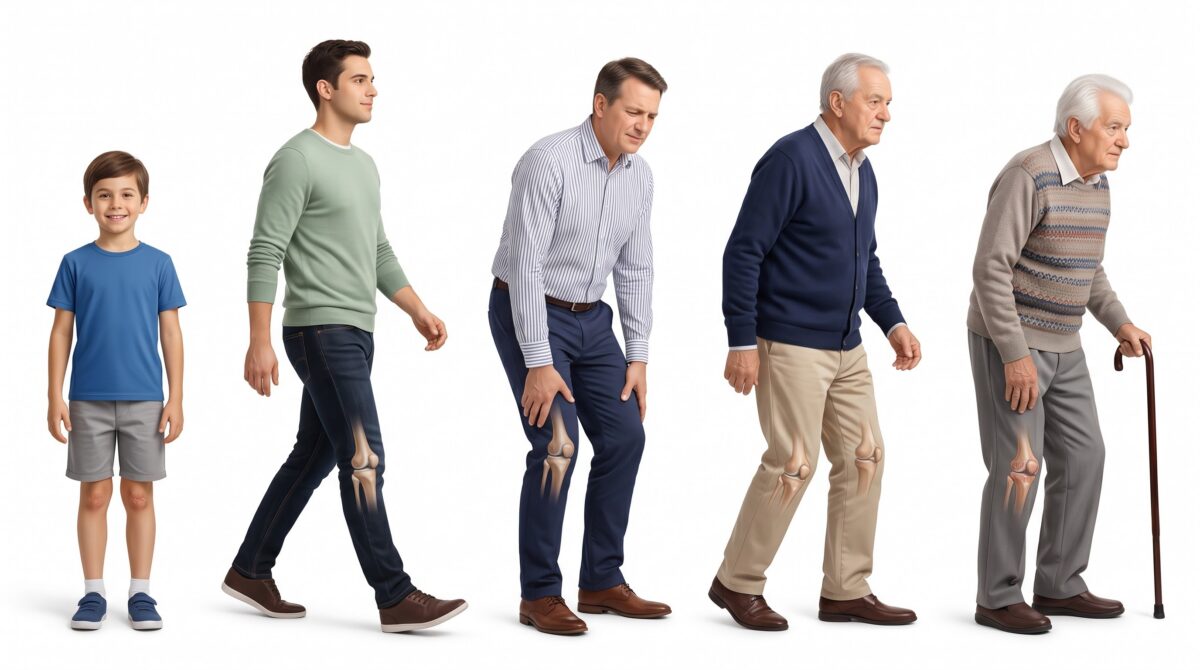
Understanding Age-Related Joint Changes and How to Manage Them
As people grow older, the musculoskeletal system undergoes natural biological changes that can affect Joint replacement surgery Ludhiana function, mobility, and overall quality of life. While aging itself is not a disease, it increases the likelihood of degenerative changes within the joints, making individuals more susceptible to stiffness, discomfort, reduced flexibility, and conditions such as osteoarthritis. Early recognition of these changes and adopting evidence-based management strategies can significantly delay disease progression and help maintain an active lifestyle.
At Dr. N. K. Aggarwal Joints And Spine Centre, we emphasize early diagnosis, preventive orthopedic care, and individualized treatment plans that help patients preserve joint health and maintain long-term mobility.
Why Do Joints Change with Age?
Healthy joints depend on smooth cartilage, strong ligaments, healthy muscles, and adequate synovial fluid that lubricates joint movement. As ageing progresses, several physiological changes occur:
- Articular cartilage gradually becomes thinner and less resilient.
- Synovial fluid production may decrease, reducing joint lubrication.
- Bone density declines with age.
- Muscles surrounding the joints lose strength and flexibility.
- Ligaments and tendons become less elastic.
These changes reduce the joint’s ability to absorb stress, increasing the risk of pain, inflammation, and degenerative joint disorders.
Common Signs of Age-Related Joint Changes
Many people consider joint discomfort a normal part of aging, but persistent symptoms should never be ignored. Common warning signs include:
- Morning stiffness lasting several minutes
- Pain during walking or climbing stairs
- Swelling around the joints
- Reduced range of motion
- Clicking or grinding sensations
- Difficulty performing daily activities
- Decreased balance and stability
These symptoms may indicate early osteoarthritis or other orthopedic conditions that benefit from timely medical evaluation.
Factors That Accelerate Joint Degeneration
Although ageing is inevitable, several modifiable factors can speed up joint deterioration, including:
- Obesity and excess body weight
- Previous joint injuries
- Sedentary lifestyle
- Poor posture
- Repetitive occupational stress
- Weak supporting muscles
- Uncontrolled diabetes and metabolic disorders
- Smoking and poor nutrition
Addressing these risk factors plays an important role in protecting joint health over time.
Evidence-Based Strategies to Protect Your Joints
Maintaining healthy joints requires a comprehensive approach that combines lifestyle modifications with appropriate medical care.
- Stay Physically Active
Regular low-impact exercises such as walking, cycling, swimming, and supervised strengthening programs improve muscle support, maintain flexibility, and reduce joint stiffness. Consistent physical activity also enhances circulation and nourishes cartilage.
- Maintain a Healthy Weight
Excess body weight places significant mechanical stress on weight-bearing joints such as the knees, hips, and spine. Even modest weight reduction can substantially decrease joint loading and improve pain levels.
- Strengthen Supporting Muscles
Targeted physiotherapy improves muscle strength around affected joints, enhancing stability and reducing abnormal joint stress.
- Eat a Joint-Friendly Diet
A balanced diet rich in lean protein, calcium, vitamin D, omega-3 fatty acids, fruits, and vegetables supports bone and joint health while helping control inflammation.
- Avoid Joint Overload
Proper body mechanics, ergonomic workstations, supportive footwear, and avoiding repetitive strain can minimize unnecessary stress on ageing joints.
Advanced Treatment Options
Not every patient with age-related joint changes requires surgery. Depending on the severity of the condition, treatment may include:
- Physiotherapy and rehabilitation
- Lifestyle modification programs
- Regenerative orthopedic therapies where clinically appropriate including Image-guided joint injections
- Minimally invasive arthroscopic procedures
- Joint replacement surgery for advanced arthritis
The treatment approach should always be individualized based on the patient’s age, functional requirements, imaging findings, and overall health.
Expert Orthopedic Care at Dr. N. K. Aggarwal Joints And Spine Centre
At Dr. N. K. Aggarwal Joints And Spine Centre, patients receive comprehensive orthopedic care focused on preserving joint function, reducing pain, and restoring mobility. Through accurate diagnosis, evidence-based treatment protocols, advanced surgical expertise, and personalized rehabilitation programs, the center is committed to helping patients remain active and independent at every stage of life. Dr Aggarwal specializes in latest, state of the art joint preservation treatments, using cutting edge technologies and evidence based orthobiologic treatments, like PRP derived Autologous Growth Factor Concentrates etc.
Conclusion
Age-related joint changes are a natural biological process, but they do not have to limit mobility or independence. Understanding the early signs, addressing modifiable risk factors, and seeking timely orthopedic evaluation can significantly improve long-term joint health. With preventive care, appropriate exercise, nutritional support, and expert medical management including latest orthobiologic treatments, individuals can continue to enjoy an active and fulfilling life while minimizing the impact of joint degeneration.
links:
https://pubmed.ncbi.nlm.nih.gov/37191424
https://pubmed.ncbi.nlm.nih.gov/27215642