
prp vs steroid injection for knee pain which joint treatment is better
 veerpal sharma
on
February 2026
veerpal sharma
on
February 2026
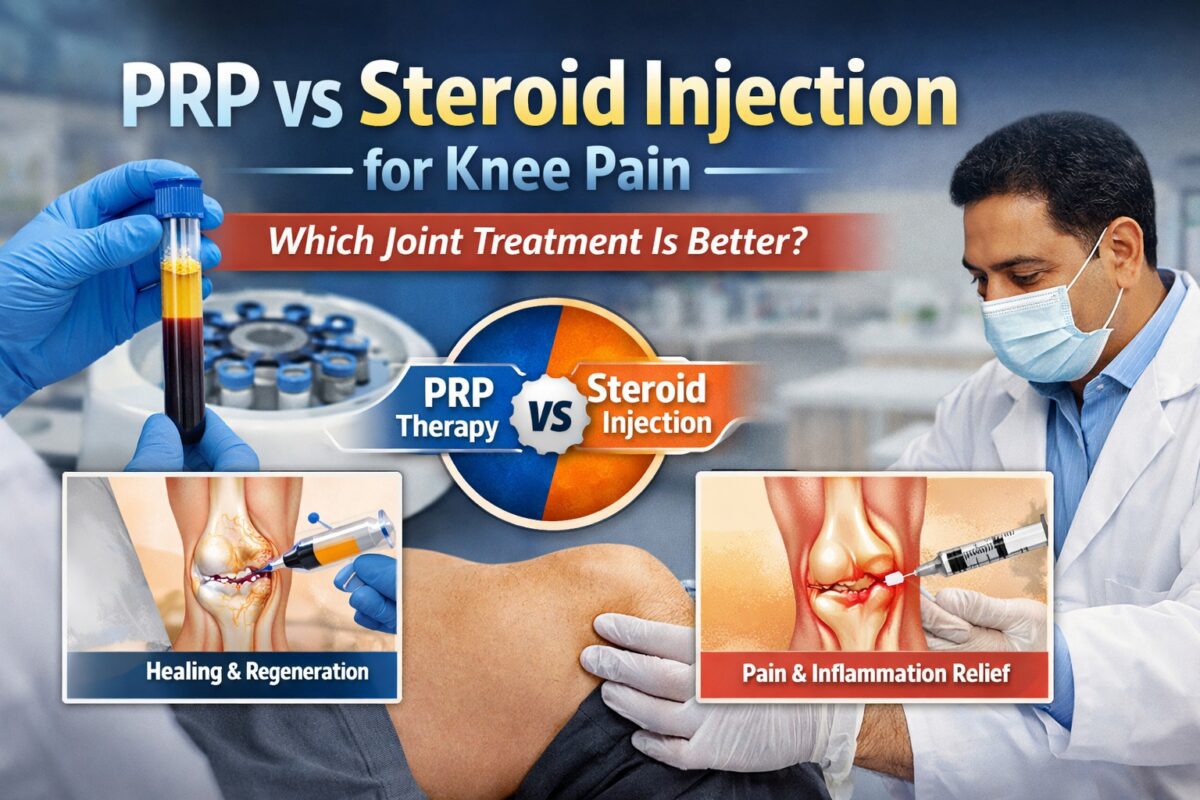
Difference Between PRP/PRGF and Steroid Injection
Understanding Joint Pain and Injectable Treatments
Joint pain, especially knee pain, is one of the most common complaints among patients visiting orthopaedic clinics today. Whether it is caused by age-related wear and tear, sports injuries, or early arthritis, chronic joint discomfort can severely affect daily activities and quality of life. When conservative treatments like physiotherapy and oral medications do not provide adequate relief, doctors often recommend injections as part of the treatment plan. Two of the most commonly discussed options are steroid injections and PRP/PRGF therapy. Understanding the difference between these two approaches can help patients make informed decisions about their care.
What Are Steroid Injections?
Steroid injections, also known as corticosteroid injections, have been used in orthopaedics for decades. These injections contain powerful anti-inflammatory medications that are delivered directly into the affected joint. They work by reducing inflammation and swelling, which in turn provides rapid relief from pain. Steroid injections are particularly effective for managing acute flare-ups of arthritis, bursitis, or tendonitis. Many patients experience significant pain reduction within a few days, and the relief may last anywhere from a few weeks to few months. However, steroid injections do not repair damaged tissues or address the underlying cause of joint degeneration. Repeated use over time may also have potential side effects on cartilage and bone health, which is why orthopaedic specialists typically limit the frequency of these injections.
What Is PRP/PRGF Therapy?
PRP (Platelet-Rich Plasma)/PRGF (Plasma Rich in Growth Factors) therapy, represents a newer approach in the field of regenerative orthopaedics. Unlike steroid injections, PRP/PRGF is prepared from the patient’s own blood. A small blood sample is drawn and processed in a centrifuge to concentrate the platelets, which are rich in growth factors. These growth factors play a vital role in tissue healing and regeneration. When injected into the injured or degenerated joint, PRP/PRGF aims to stimulate the body’s natural healing processes, promote tissue repair, and reduce inflammation over time. PRP/PRGF treatment for knee pain and other joint conditions is gaining popularity because it supports long-term healing rather than just masking symptoms.
Key Differences Between PRP/PRGF and Steroid Injections
The key differences between PRP/PRGF and steroid injections lie in their mechanisms and goals. Steroid injections provide quick symptomatic relief by suppressing inflammation, while PRP/PRGF works gradually to encourage natural tissue regeneration. Steroid injections may offer faster pain relief, but the effect is often temporary. PRP/PRGF, on the other hand, may take a few weeks to show noticeable improvement, but many patients experience longer-lasting benefits, especially in cases of early arthritis and joint degeneration. Additionally, because PRP/PRGF uses the patient’s own biological material, it is considered a safer option with minimal risk of adverse reactions.
Choosing the Right Treatment
For patients seeking knee pain treatment in Ludhiana, consulting an experienced orthopedic surgeon in Ludhiana is essential. The choice between PRP/PRGF and steroid injections depends on several factors including the type and severity of the condition, the patient’s age, activity level, and overall health. A thorough clinical evaluation, supported by imaging studies when necessary, allows the best orthopedic regenerative doctor in Punjab to tailor a treatment plan that suits individual needs. Both PRP and steroid injections have their place in modern orthopaedic care. The decision should always be guided by expert advice, proper diagnosis, and realistic expectations about outcomes and recovery timelines.