N K Aggarwal Joints And Spine Centre

Hyaluronic Acid After Knee Lavage: Why We Prefer This Sequence in Selected Patients

Hyaluronic Acid After Knee Lavage: Why We Prefer This Sequence in Selected Patients

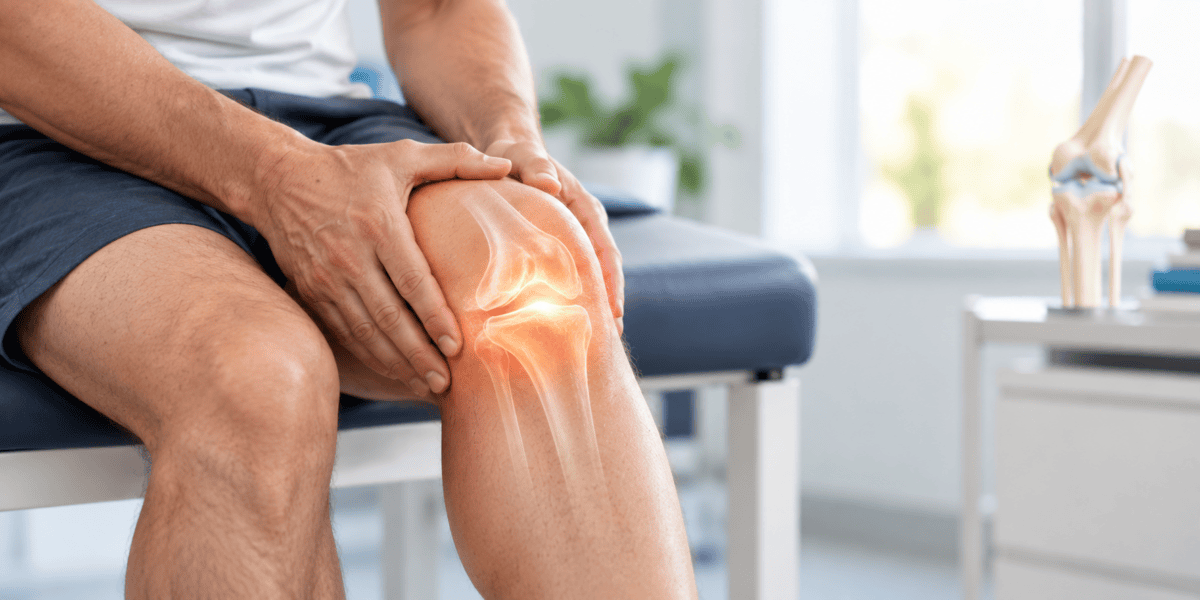
Knee osteoarthritis is associated with pain, stiffness, inflammation, swelling and progressive changes within the joint environment. In daily practice, patients commonly present with pain while walking or climbing stairs, stiffness after sitting, difficulty with prolonged standing and gradual reduction in their normal activities.

Knee preservation is most useful when treatment is planned before the joint reaches advanced structural damage. At N K Aggarwal Joints & Spine Centre, Ludhiana, we use a multimodal approach in selected patients, and one of the treatment sequences we prefer is knee lavage followed by High Molecular Weight Hyaluronic Acid (HA) and other injectables.

The rationale is straightforward. Lavage and HA have different roles. Lavage addresses the intra-articular environment mechanically, while HA is subsequently used to support lubrication and the viscoelastic properties of the joint fluid.

Why Give HA After Knee Lavage?

Synovial fluid contains Hyaluronic Acid, which contributes to the lubrication and viscoelastic behaviour of the knee. In osteoarthritis, the concentration, molecular weight and functional properties of endogenous HA are altered.

During joint lavage, the knee is irrigated and the existing joint fluid is removed along with wear and tear products from meniscus and articular cartilage. The proinflammatory enzymes are also flushed out with lavage. Earlier clinical evidence has also reported improvement in pain and inflammatory signs following arthroscopic lavage, with greater pain relief observed in knees with less advanced radiographic changes.[3] This provides a clinical rationale for introducing HA after lavage, particularly when the objective is to restore a more favourable intra-articular environment following the procedure. In our practice, therefore, HA is not viewed simply as an injection for pain. When lavage is indicated, we consider HA afterward as the next component of the treatment sequence.

What Does the Clinical Evidence Show?

One of the most directly relevant clinical studies was published by Hempfling in Knee Surgery, Sports Traumatology, Arthroscopy. The study included 80 patients undergoing arthroscopic knee lavage for persistent symptoms.

Patients were divided into two groups. One group underwent lavage alone, while the other received lavage followed immediately by an intra-articular injection of sodium Hyaluronate.

Both groups experienced improvement in walking pain and walking ability following treatment. However, the pattern during follow-up was different. At three months, the improvement was less well maintained in the lavage-only group, while the group receiving HA after lavage maintained its improvement. The difference in favour of the HA group was also observed during longer follow-up.[1] This study is particularly relevant to our approach because it evaluates the sequence of lavage followed by HA, rather than simply studying HA as an isolated injection.

Is the Benefit Only About Immediate Pain Relief?

Not necessarily. The clinical rationale for this combination is not that lavage and HA necessarily produce a dramatically different immediate pain response. The potential value lies in what happens after the procedure. Lavage changes the intra-articular environment mechanically, while HA provides a viscoelastic and lubricating component afterward. In the randomized study, the additional HA treatment was associated with better maintenance of clinical improvement during follow-up compared with lavage alone.[1]

Lavage Is Not Required Before Every HA Injection

This distinction is important.

The decision to perform lavage and the decision to administer HA are separate clinical decisions. We do not perform lavage merely because an HA injection is being considered.

Lavage is considered when the clinical condition of the knee provides a reason for the procedure. Long-term follow-up data have also suggested that patient selection is important. Jackson and Dieterichs reported that patients with earlier-stage degenerative changes experienced more sustained symptomatic relief after arthroscopic lavage and debridement, whereas the response in more advanced disease was often temporary and less predictable.[4] In selected patients undergoing lavage as part of a knee-preservation strategy, we prefer to follow it with High Molecular Weight HA to support the joint environment after irrigation. This approach is therefore different from saying that every patient with osteoarthritis requires arthroscopic lavage. Large placebo-controlled research has shown that routine arthroscopic lavage or debridement does not provide clinically meaningful benefit for uncomplicated knee osteoarthritis.[2] Our use of lavage is therefore selective and is based on broader clinical assessment.

How This Fits Into the Ludhiana Protocol

At N K Aggarwal Joints & Spine Centre, Ludhiana, knee preservation is approached as a multimodal treatment strategy rather than a single-injection treatment. When lavage is clinically indicated, we prefer to administer High Molecular Weight Hyaluronic Acid afterward. The purpose is to combine the mechanical component of lavage with the lubricating and viscoelastic properties of HA.

Depending on the condition of the individual knee, other components such as PRP/Growth Factor Concentrate, correction of abnormal mechanical loading, rehabilitation and other supportive treatments may also be incorporated. The sequence is individualized according to the patient’s symptoms, clinical examination, imaging, severity of osteoarthritis, alignment and functional requirements.

Who May Be Considered?

This approach is considered primarily when knee preservation remains a reasonable clinical objective. Patients with early or moderate structural disease may have different treatment requirements from patients with severe bone-on-bone arthritis, major deformity or extensive structural damage. Age alone does not determine treatment. The condition of the joint, the pattern of symptoms and the patient’s functional requirements are considered before deciding whether lavage, HA or a combination of treatments is appropriate.

[1] Hempfling H. Intra-articular hyaluronic acid after knee arthroscopy: a two-year study. Knee Surg Sports Traumatol Arthrosc. 2007;15(5):537-546.

PubMed: https://pubmed.ncbi.nlm.nih.gov/17187274/

[2] Moseley JB, et al. A controlled trial of arthroscopic surgery for osteoarthritis of the knee. N Engl J Med. 2002;347:81-88.

DOI: https://doi.org/10.1056/NEJMoa013259⁠

[3] Livesley PJ, Doherty M, Needoff M, Moulton A. Arthroscopic lavage of osteoarthritic knees. J Bone Joint Surg Br. 1991;73(6):922-926. doi:10.1302/0301-620X.73B6.1720118. PubMed: https://pubmed.ncbi.nlm.nih.gov/1720118

[4] Jackson RW, Dieterichs C. The results of arthroscopic lavage and debridement of osteoarthritic knees based on the severity of degeneration: a 4- to 6-year symptomatic follow-up. Arthroscopy. 2003;19(1):13-20. doi:10.1053/jars.2003.50022. PubMed: https://pubmed.ncbi.nlm.nih.gov/12522398
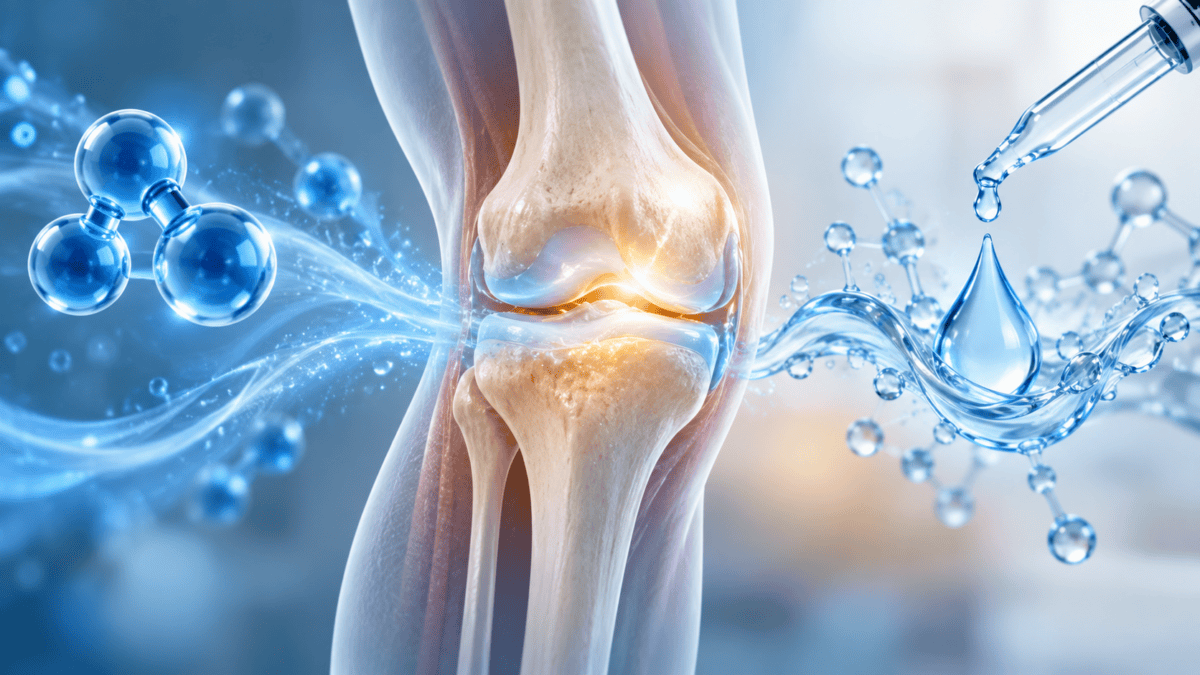
Ozone & Hyaluronic Acid for Knee Osteoarthritis: Benefits, Evidence & Treatment

Synergistic Effect of Ozone and Hyaluronic Acid in Osteoarthritis of the Knee

Knee osteoarthritis is a progressive condition associated with pain, stiffness, inflammation and changes in the joint environment. In daily practice, patients usually describe a fairly predictable pattern: pain while walking or climbing stairs, stiffness after sitting for some time, difficulty with prolonged standing and gradual reduction in their normal activity.

Knee preservation has therefore become an important part of modern osteoarthritis management, particularly when treatment is started before advanced structural damage develops. We use a combination of Oxygen-Ozone and High Molecular Weight Hyaluronic Acid (HA) as part of our multimodal “Ludhiana – Protocol” for knee preservation. These two have different properties, and their combination has been studied specifically in knee osteoarthritis.

Why Combine Ozone and Hyaluronic Acid?

Hyaluronic Acid is a natural component of synovial fluid. It contributes to the lubrication and viscoelastic properties of the knee and helps maintain the normal environment in which the joint moves. Oxygen-Ozone has a different biological role. Intra-articular ozone has been investigated for its anti-inflammatory, immunomodulatory and pain-modulating effects, with clinical studies reporting improvement in pain and function in knee osteoarthritis.[1][2]

What Has the Research Shown?

The first important evidence for the combination came from a randomized study by Giombini et al. in 2016. Seventy patients with knee osteoarthritis were divided into three groups receiving HA, Oxygen-Ozone or a combination of both. All three groups improved, but the combined-treatment group showed significantly better outcomes for pain, symptoms, activities of daily living and quality of life, particularly at the two-month follow-up.[3]

The 2018 randomized clinical trial by Raeissadat et al. included 174 patients with chronic knee pain or swelling and imaging-confirmed osteoarthritis. Patients received either three weekly HA injections or three weekly Oxygen-Ozone injections. Both groups showed significant improvement in pain, stiffness and function at six months, with no significant difference between the two treatments.[4] This study is useful because it shows that ozone and HA can each provide clinical benefit, but neither treatment should automatically be considered superior to the other in every patient.

More recent evidence has added another dimension. A 2025 retrospective comparative study by Latini et al. evaluated 84 patients receiving Ozone, HA or the combination. The combination produced advantages in several functional and quality-of-life measures, including WOMAC physical function, total WOMAC, Knee Society Scores and both physical and mental quality-of-life scores. The authors also observed a difference in the timing of benefit: ozone provided earlier pain relief, while HA was associated with more sustained improvement.[5]

Another randomized clinical trial published in 2025 by Akhavanakbari et al. compared HA alone with Ozone + HA in 60 patients. Both groups improved, but the combination group had a greater reduction in pain at six months, along with greater improvement in health-related quality of life and sleep quality.[6] A newer 2026 randomized controlled trial by Sconza et al. compared intra-articular Oxygen-Ozone with HA in 112 patients. Both treatments produced significant improvement from the first month. Ozone appeared to act faster, whereas the HA group showed greater pain and functional improvement from three months onwards.[7]

Taken together, these studies provide a more useful clinical picture. Ozone may provide an earlier symptomatic response, HA may have a more sustained effect, and combining the two may provide complementary benefits in selected patients.

How We Use the Combination

At Dr. N. K. Aggarwal Joints & Spine Centre, Ludhiana, the combination of Oxygen-Ozone and High Molecular Weight HA is used as part of our multimodal knee-preservation approach. We assess the patient’s symptoms, clinical examination, X-rays or MRI, severity of arthritis and mechanical alignment before deciding the treatment. The patient’s activity level and general health also matter.

Ozone is used as an adjuvant for its pain-relieving, anti-inflammatory and immunomodulatory properties, while HA provides the lubricating component. Depending on the condition of the knee, the combination may be incorporated with other complementary modalities such as PRP/Growth Factor Concentrate, joint lavage and correction of abnormal mechanical loading. The sequence is individualized. There is no single injection schedule that suits every knee.

Who May Be Considered?

This approach is mainly considered when knee preservation remains a reasonable clinical objective. Patients with mild to moderate osteoarthritis or early structural disease may be managed differently from those with severe bone-on-bone arthritis, major deformity or extensive structural damage. Age by itself does not decide treatment. We look at the condition of the knee, the patient’s symptoms and how much those symptoms are affecting daily life.

Ozone + HA Within the Ludhiana Protocol

The combination of Oxygen-Ozone and High Molecular Weight Hyaluronic Acid forms one component of Dr. N. K. Aggarwal’s “Ludhiana Protocol for Multimodal Knee Preservation.” The idea is to use complementary local and biological treatments according to what the individual knee requires. Ozone and HA can be used together, with PRP/GFC, lavage or mechanical correction added when clinically indicated.

For a patient sitting in front of us with knee pain, the question is not simply which injection is better. We need to determine what is driving the symptoms, how advanced the structural disease is, and whether the knee is still suitable for a preservation-oriented treatment pathway.

Medical References

[1] Lino VTS, et al. Efficacy and safety of ozone therapy for knee osteoarthritis: an umbrella review. Frontiers in Physiology. 2024;15:1348028.
PubMed: https://pubmed.ncbi.nlm.nih.gov/38444768/

[2] Raeissadat SA, et al. Intra-articular ozone or hyaluronic acid injection in knee osteoarthritis: a 6-month randomized clinical trial. Journal of Pain Research. 2018;11:111-117.
PubMed: https://pubmed.ncbi.nlm.nih.gov/29379312/

[3] Giombini A, et al. Hyaluronic acid, oxygen-ozone, and their combination in knee osteoarthritis. Journal of Biological Regulators and Homeostatic Agents. 2016;30(2):621-625.
PubMed: https://pubmed.ncbi.nlm.nih.gov/27358159/
ResearchGate: https://www.researchgate.net/publication/311605201_Comparison_between_intrarticular_injection_of_hyaluronic_acid_oxygen_ozone_and_the_combination_of_both_in_the_treatment_of_knee_osteoarthrosis

[4] Raeissadat SA, et al. Intra-articular ozone or hyaluronic acid injection: Which one is superior in patients with knee osteoarthritis? Journal of Pain Research. 2018;11:111-117.
PubMed: https://pubmed.ncbi.nlm.nih.gov/29379312/

[5] Latini E, Nusca SM, Curci ER, et al. Ozone and hyaluronic acid, alone and in combination: exploring temporal dynamics and synergies in intraarticular therapy for knee osteoarthritis. Pain Physician. 2025;28(4):347-357.
PubMed: https://pubmed.ncbi.nlm.nih.gov/40773642/
Article: https://www.painphysicianjournal.com/current/pdf?article=ODAzNg%3D%3D&journal=171

[6] Akhavanakbari G, Asayeshi M, Noktehsanj R, Aslani MR. Comparing the efficacy of combining ozone therapy with hyaluronic acid versus using hyaluronic acid alone for pain relief in patients with knee osteoarthritis: a randomized clinical trial. Complementary Therapies in Medicine. 2025;93:103238.
ScienceDirect: https://www.sciencedirect.com/science/article/pii/S096522992500113X

[7] Sconza C, Parente A, Marotta N, et al. Intra-articular injections of oxygen-ozone versus hyaluronic acid for the treatment of knee osteoarthritis: a randomized controlled trial. Journal of Back and Musculoskeletal Rehabilitation. 2026;39(1):216-227.
PubMed: https://pubmed.ncbi.nlm.nih.gov/40660843/

Role of Oxygen-Ozone Therapy in Osteoarthritis of the Knee

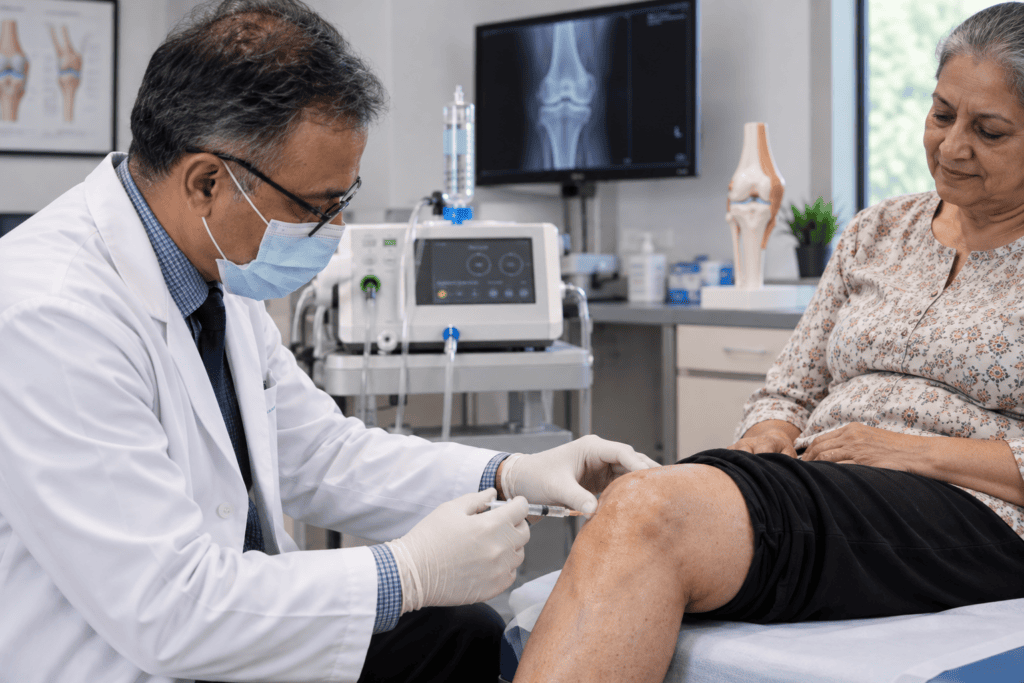
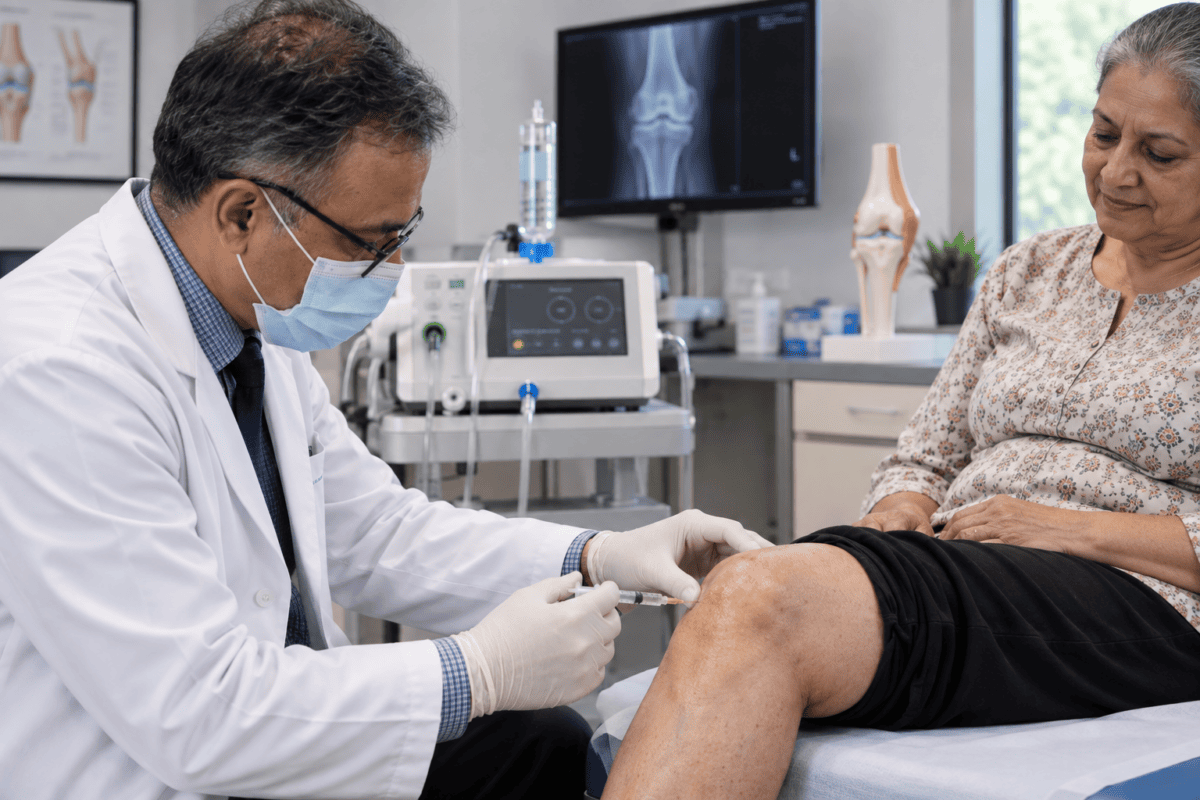
Orthopedic doctor performing an intra-articular knee injection on a patient in a modern clinic, with a knee X-ray, medical equipment and anatomical knee model in the background.

Role of Oxygen-Ozone Therapy in Osteoarthritis of the Knee

Osteoarthritis of the knee is a common problem we see in our practice. Patients usually come with pain while walking, difficulty climbing stairs, stiffness after sitting for some time, or morning stiffness that takes a while to settle. As the disease progresses, these symptoms begin interfering with routine activities and exercise.

Osteoarthritis is now understood as a disease involving both mechanical and inflammatory changes. Cartilage damage, synovial inflammation, changes in the subchondral bone and surrounding soft tissues and systemic inflammation can all contribute to pain and loss of function. This is why treating only the pain does not always give a satisfactory long-term result.

With better understanding of these changes, there is growing interest in knee-preservation treatments. Oxygen-Ozone therapy is one such minimally invasive treatment. It has been studied as an intra-articular treatment for knee osteoarthritis and is used in our practice as an adjuvant to other treatment modalities.

What is Oxygen-Ozone Therapy?

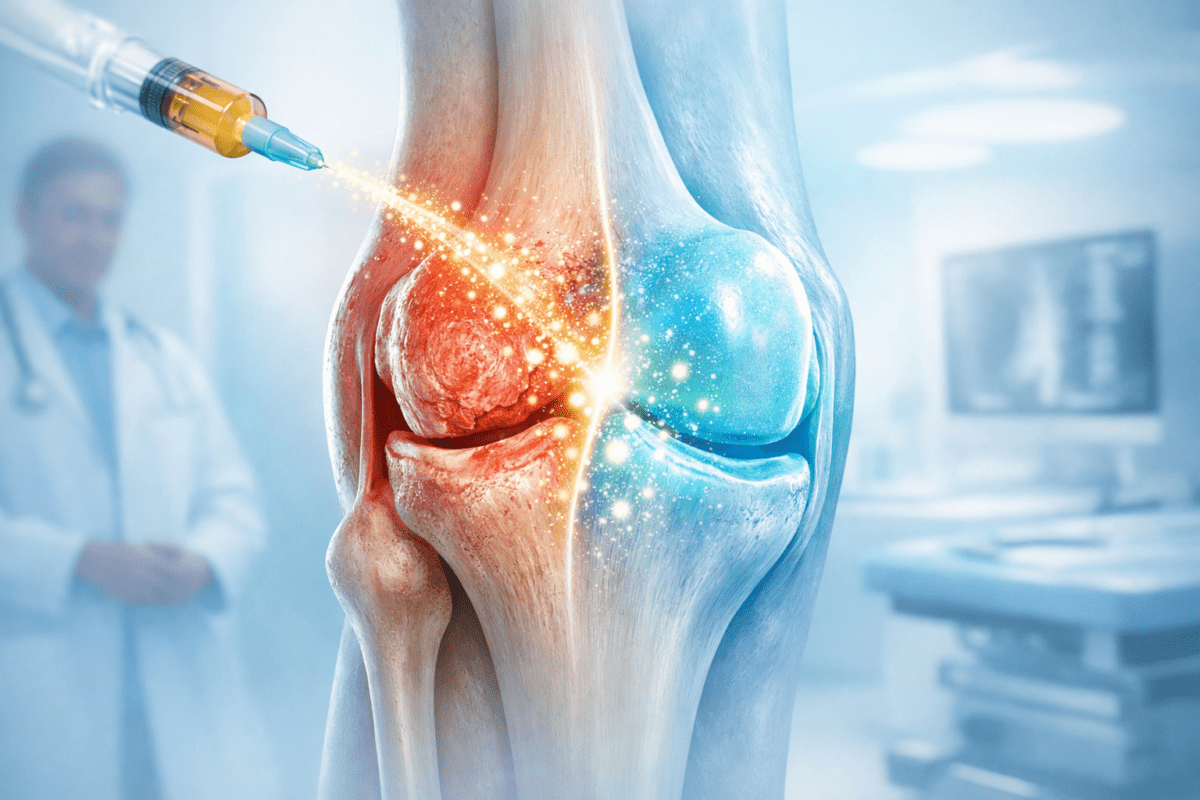
Oxygen-Ozone therapy involves injecting a controlled oxygen-ozone mixture into the knee joint. Ozone is a triatomic form of oxygen. When introduced into the joint in controlled therapeutic concentrations, it reacts with biological molecules and produces reactive oxygen species and lipid oxidation products. These reactions can stimulate the body’s own antioxidant and anti-inflammatory responses. The treatment is performed as an intra-articular injection using a sterile technique. 

How Does Ozone Help?

Pain in an osteoarthritic knee is influenced by inflammation as well as mechanical changes. Inflammatory mediators such as IL-1, IL-6 and TNF-alpha are involved in the degenerative process, while oxidative stress and proteolytic enzymes can contribute to further cartilage damage. Ozone therapy is believed to act on this inflammatory environment. Studies have described effects on inflammatory cytokines, antioxidant enzymes and cellular metabolism. The treatment may also have an analgesic effect, helping reduce pain and stiffness and making movement and rehabilitation easier.

Clinical studies have reported improvement in pain, stiffness, function and quality of life after intra-articular ozone treatment.[1][2] Recent research has also examined how long these benefits are maintained after treatment.[3]

How Long Does the Effect Last?

The response to ozone is not the same in every patient. Some patients experience relief relatively early, whereas others improve gradually with treatment and rehabilitation. The published evidence suggests that the effect can be more pronounced in the short to medium term. [4][5] For this reason, we do not consider one injection to be the complete treatment of osteoarthritis. The patient’s activity, quadriceps strength, body weight, alignment and the condition of the joint continue to matter.

Ozone and Hyaluronic Acid

Hyaluronic Acid (HA) is naturally present in synovial fluid and contributes to the lubrication and viscoelasticity of the knee. It also provides shock-absorbing properties and has been studied extensively as a conservative treatment for knee osteoarthritis.

Ozone and HA act through different mechanisms. Ozone is used mainly for its anti-inflammatory and pain-modulating effects, whereas HA helps improve lubrication and the mechanical environment of the joint. Studies have directly compared ozone with HA, and research has also evaluated their use in combination. In the 2016 study by Giombini et al., patients receiving the combination of oxygen-ozone and HA showed better outcomes, particularly at the two-month follow-up, than patients receiving either treatment separately.[6] A more recent randomized trial comparing oxygen-ozone with HA found improvement in both groups, with comparable outcomes at six months and only mild, self-limiting adverse events reported.[5]

Oxygen-Ozone Therapy in the Ludhiana Protocol

At Dr. N. K. Aggarwal Joints & Spine Centre, Ludhiana, Oxygen-Ozone therapy is used as part of the Ludhiana Protocol for Multimodal Knee Preservation.

We generally combine different treatment modalities according to the condition of the individual knee. These may include High Molecular Weight Hyaluronic Acid, PRP/Growth Factor Concentrate, joint lavage, rehabilitation and correction of mechanical alignment. Ozone is therefore used as an adjuvant, not as a standalone answer to every case of osteoarthritis.

Who May Benefit?

The decision is made after assessing the patient’s symptoms, clinical examination, X-rays or MRI findings, severity of osteoarthritis, alignment and general health. Ozone has been studied particularly in mild to moderate knee osteoarthritis, including patients with Kellgren-Lawrence Grade I–III disease. The treatment is not suitable for everyone, particularly where there is severe structural damage, major deformity or a clear indication for knee replacement.

Certain medical conditions also need to be considered before treatment. Published clinical guidance lists pregnancy, significant G6PD deficiency, hyperthyroidism, thrombocytopenia, serious cardiovascular instability and active infection among important contraindications or precautions. 

Medical References

[1] Lino VTS, Marinho DS, Rodrigues NCP, Andrade CAF. Efficacy and safety of ozone therapy for knee osteoarthritis: an umbrella review of systematic reviews. Front Physiol. 2024;15:1348028.

[2] Raeissadat SA, Rayegani SM, Forogh B, et al. Intra-articular ozone or hyaluronic acid injection: Which one is superior in patients with knee osteoarthritis? J Pain Res. 2018;11:111-117.

[3] Chen T, Tao D, Deng Z, et al. The time-effect relationship of intra-articular ozone injection for knee osteoarthritis: a systematic review and meta-analysis. 2026.

[4] Migliorini F, Giorgino R, Mazzoleni MG, et al. Intra-articular injections of ozone versus hyaluronic acid for knee osteoarthritis: a level I meta-analysis. Eur J Orthop Surg Traumatol. 2024;35:20.

[5] Sconza C, Parente A, Marotta N, et al. Intra-articular injections of oxygen-ozone versus hyaluronic acid for the treatment of knee osteoarthritis: A randomized controlled trial. J Back Musculoskelet Rehabil. 2026;39(1):216-227.

[6] Giombini A, Menotti F, Di Cesare A, et al. Comparison between intra-articular injection of hyaluronic acid, oxygen ozone, and the combination of both in the treatment of knee osteoarthrosis. J Biol Regul Homeost Agents. 2016;30(2):621-625.

How Orthobiologics Are Improving Spine Surgery Recovery Outcomes

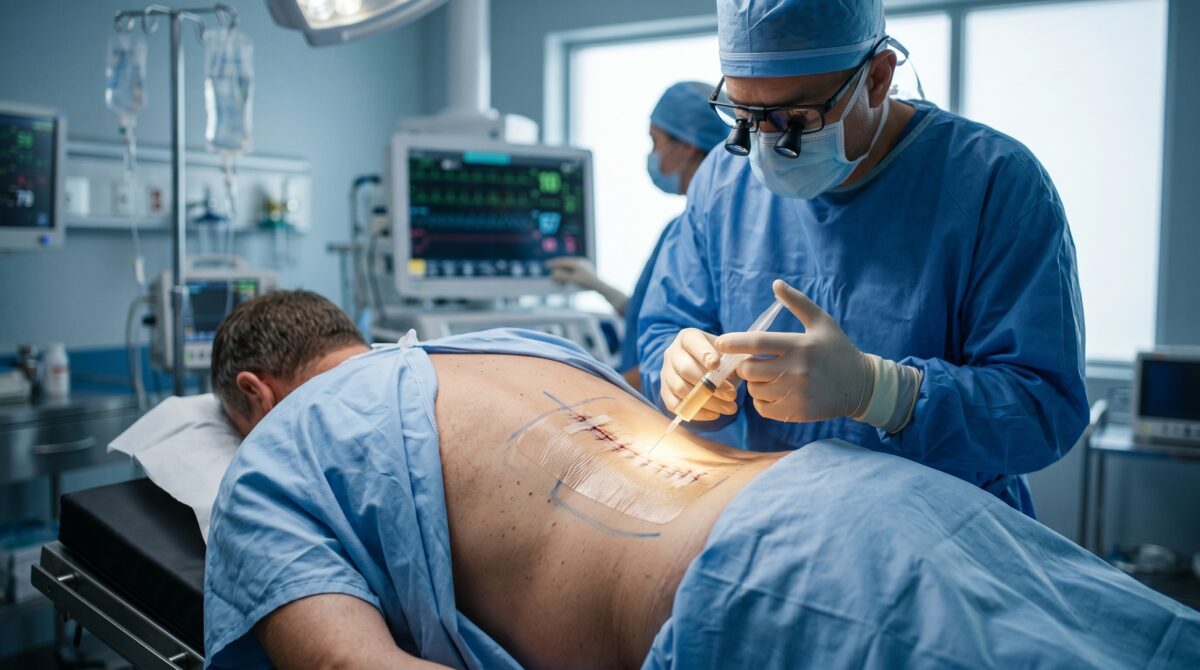
Orthobiologics are increasingly being integrated into contemporary spine care protocols as an adjunct to surgical management. In spinal procedures, particularly herniated disc repair in the lumbar spine, the recovery process will rely on the precision of the surgery in addition to the body’s response to healing. Dr. N. K. Aggarwal Joints & Spine Centre Centre is conducting studies into the use of PRP as a tissue repair, inflammatory modulation, and overall functional recovery supporting modality. 

Biological Foundation of PRP Therapy

PRP is a blood-based concentrate, using the patient’s own blood. It is made using the process of centrifugation to separate platelets from the plasma in a highly concentrated fraction. These platelets carry important growth factors and cytokines which are responsible for the regulation of important biological functions such as inflammation control, cellular proliferation, angiogenesis and extracellular matrix remodeling.

PRP coming from the patient’s own body tissue has excellent biocompatibilities and very low adverse immunological reactions. In the field of orthopedic hospital in Ludhiana medicine, PRP can be used as a biological stimulant and accelerator of intrinsic healing processes.

Role of PRP in Spine Surgery Rehabilitation

Patients often experience inflammation, soft tissue irritation and delayed muscle reconditioning following spine surgery, particularly after a lumbar disc procedure. All of these factors can lead to chronic pain and to a slower recovery.

PRP orthobiologics are used as an adjunct to surgical care and used to enhance the biological healing environment. The concentrated growth factors may help to control inflammatory cascades and promote repair of peri-spinal soft tissue structures such as ligaments, paraspinal muscles and annular disc structures.

This enhanced biological reaction could lead to less post-operative discomfort and quicker rehabilitation program initiation and progress, which are supervised in a clinical setting. 

Clinical Application in Lumbar Herniated Disc Repair

PRP has been added to some of the postoperative recovery plans at Dr. N. K. Aggarwal Joints & Spine Centre for lumbar herniated disc repair cases. Patients usually have problems with nerve root compression, inflammatory changes and structural disc damage that necessitates surgery.

Recently a clinical case was performed where PRP was used as a part of the post-operative support program after a lumbar disc repair. The goal was to improve local tissue healing and maximise the micro-environment of the damaged spinal segment. From a clinical point of view, this method was linked to better initial pain control, and better rehabilitation exercise tolerance, leading to a more structured rehabilitation pathway. 

ACP Max™ System and PRP Optimization

The effectiveness of the treatment using PRP is closely related to the quality of the platelet preparation. The ACP Max™ system is based on a double spin centrifugation technique that creates very concentrated PRP products.

This system can raise platelet counts up to about 12 times the baseline amount while selectively decreasing the number of excess red blood cells and leukocytes. Such a decrease in the inflammatory components of cells is clinically relevant as it could possibly reduce unnecessary inflammatory cellular response during the postoperative period, allowing for a more controlled healing environment in spine surgery.

Clinical Significance in Spine Surgery Outcomes

PRP Orthobiologics does not replace surgical intervention, but rather, it is a scientifically-based tool that complements surgery and aids recovery. They play a clinical role in enhancing tissue regeneration process, decreasing inflammation-related discomfort and facilitating early functional restoration.

The use of PRP in the context of a broader rehabilitation program, as part of a multidisciplinary framework at healthcare centers like Dr. N. K. Aggarwal Joints & Spine Centre, can impact patient-reported outcomes and recovery paths after lumbar spine surgery. 

Conclusion

Orthobiologics are a very important new development in the field of regenerative spine care. Through its natural ability to heal, PRP can enhance recovery from spine surgery, especially in more complex surgeries like lumbar herniated disc repair. As the clinical evidence continues to evolve and as the preparation techniques such as ACP Max™ are improved, PRP is increasingly becoming an important part of contemporary spine rehabilitation protocols at Dr. N. K. Aggarwal Joints & Spine Centre.

Source :-

  • https://wexnermedical.osu.edu/brain-spine-neuro/spine-diseases-conditions/spine-orthobiologics
  • https://journals.sagepub.com/doi/10.1177/30498929251414660
  • https://www.orthospecialistsjacksonville.com/orthobiologics-treatment-for-the-spine-orthopedic-surgeon-jacksonville-fl/

Regenerative Orthopedics: The Future of Joint Treatment Without Surgery

Joint pain can seriously affect your quality of life, making everyday activities like walking, climbing stairs, or even sitting down painful and difficult. For decades, the standard approach to treating joint problems relied on pain medications, physical therapy, or ultimately surgery. However, medical science has advanced significantly, and regenerative orthopedics is emerging as a game-changing option that focuses on helping your body heal naturally rather than simply covering up symptoms.

Understanding Regenerative Orthopedics

Regenerative orthopedics taps into your body’s own healing power to repair damaged joints and tissues. Rather than depending only on medications that offer temporary relief, these cutting-edge treatments work at the cellular level to trigger natural recovery. Therapies like Platelet-Rich Plasma (PRP) and other biologic treatments use growth factors from your own blood to jumpstart tissue repair, decrease inflammation, and restore joint function.

Conditions That May Benefit:

  • Chronic knee pain and stiffness
  • Early to moderate osteoarthritis
  • Cartilage damage and degeneration
  • Tendon and ligament injuries
  • Sports-related joint issues
  • Degenerative conditions in shoulders, hips, and ankles

Major Advantages of Regenerative Treatments:

  • Non-surgical solution: Avoid the risks and potential complications of major surgery
  • Quicker recovery: Get back to your normal routine much faster than with traditional surgical procedures
  • Less reliance on pain meds: Reduce dependency on medications that can cause unwanted side effects over time
  • Works with your body: Harnesses your natural healing processes
  • May postpone or prevent surgery: When caught early and paired with proper rehabilitation and lifestyle changes

The Importance of Early Intervention

Success with regenerative treatments really depends on choosing the right candidates and catching problems early. These therapies deliver the best results when joint damage hasn’t progressed too far, which is why getting evaluated sooner rather than later is critical. Delaying treatment may diminish how well regenerative options work and narrow your treatment possibilities down the road.

Selecting the Right Specialist:

Your doctor’s expertise plays a huge role in your outcomes. When looking for knee pain treatment in Ludhiana or exploring advanced joint care solutions, consider:

  • A highly qualified orthopedic surgeon in Ludhiana with extensive National and International experience, in both traditional and regenerative methods
  • Comprehensive diagnostic capabilities and thorough evaluation
  • Transparent communication with realistic expectations
  • Personalized treatment plans tailored to your specific condition
  • Current knowledge of the latest regenerative techniques and research

Finding the best orthopedic regenerative doctor in Punjab means partnering with someone who brings together clinical expertise and advanced treatment know-how to deliver comprehensive, patient-centered care.

Your Path Forward

Regenerative orthopedics offers real hope for patients looking for alternatives to surgery or dealing with ongoing joint issues. These treatments bridge the gap between basic conservative care and invasive procedures, giving you more control over how you address your joint health.

At N. K. Aggarwal Joints and Spine Centre in Ludhiana, patients benefit from state-of-the-art regenerative treatment options combined with personalized attention and clinical excellence. If you’re struggling with persistent joint pain or you’ve been told surgery is your only option, investigating regenerative therapies with a skilled specialist could unlock new pathways to recovery and a better quality of life. The future of joint care is already here, emphasizing genuine healing over just symptom management.

Shoulder Injury: Causes, Symptoms & Treatment Options in Ludhiana

Shoulder pain is one of the most common musculoskeletal complaints that brings patients to seek medical attention. Dr. N. K. Aggarwal, a leading orthopedic surgeon in Ludhiana, has helped countless patients recover from various shoulder injuries and regain their quality of life.

Understanding Shoulder Injuries

The shoulder is the body’s most mobile joint, which makes it particularly vulnerable to injury. This complex structure comprises bones, muscles, tendons, and ligaments working together to provide an extensive range of motion. When any of these components are damaged, it can significantly impact your daily activities and overall well-being.

Common Causes of Shoulder Injuries

Shoulder injuries can result from various factors. Sports activities involving overhead motions such as swimming, tennis, and baseball frequently cause shoulder problems. Traumatic events like falls, direct blows, or automobile accidents can lead to fractures, dislocations, or soft tissue damage. Age-related wear and tear often results in conditions like rotator cuff tears and arthritis. Additionally, repetitive movements in certain occupations or poor posture over time can gradually damage shoulder structures.

Recognizing the Symptoms

Identifying shoulder injury symptoms early is crucial for timely treatment. Common warning signs include persistent pain that worsens with movement or at night, reduced range of motion making it difficult to reach overhead or behind your back, weakness when lifting or carrying objects, swelling or tenderness around the joint, a popping or clicking sensation during movement, and shoulder instability or a feeling that the joint might slip out of place.

Treatment Options Available

At the best orthopedic hospital in Ludhiana, N. K. Aggarwal Joints and Spine Centre offers comprehensive treatment approaches tailored to each patient’s specific condition.

Conservative treatments are often the first line of defense, including rest and activity modification to allow healing, physical therapy to strengthen muscles and improve flexibility, anti-inflammatory medications to reduce pain and swelling. Advanced Orthobiologic treatments like injections of PRP and Autologous Growth Factor Concentrate, for reducing inflammation and setting in a process of healing and regeneration of torn structures are also extremely helpful and are routinely given at N K Aggarwal Joints and Spine Centre.

Avoid knee replacement non surgical treatment

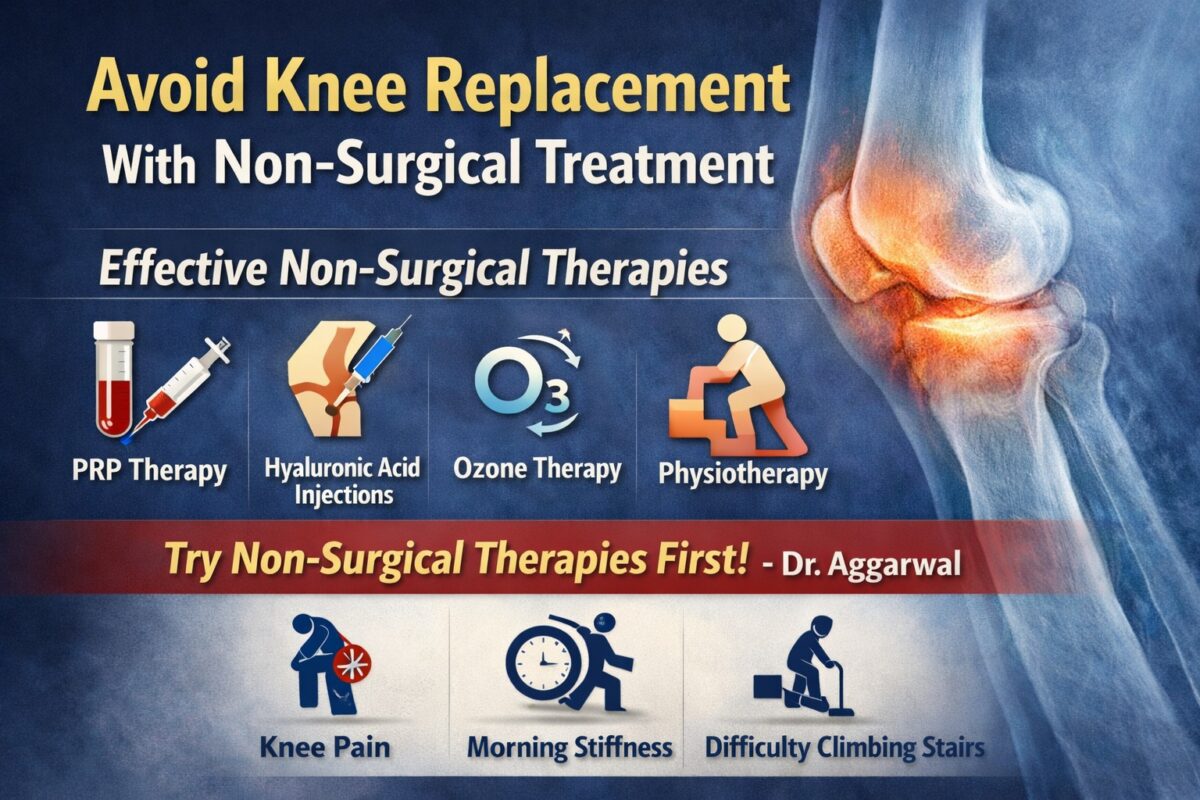
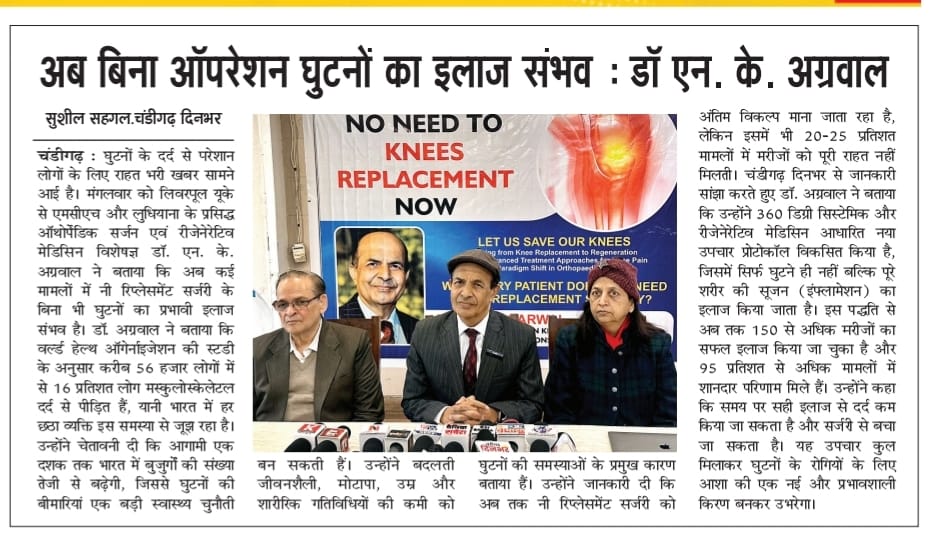
Knee Replacement Can Be Avoided with Non-Surgical Treatment, Says Dr. N. K. Aggarwal

Chandigarh:

In a major relief for patients suffering from chronic knee pain and arthritis, renowned orthopedic expert Dr. N. K. Aggarwal revealed at a press conference held at the Chandigarh Press Club that knee replacement surgery is not mandatory for every patient. With timely diagnosis and advanced non-surgical treatments, many patients can successfully avoid knee replacement and return to an active lifestyle.

Addressing the media, Dr. Aggarwal explained that knee problems are increasingly being reported not only in elderly but also among the younger population. Poor lifestyle habits, obesity, injuries, lack of physical activity, incorrect posture, and delayed medical consultation are key reasons behind the rising cases of knee arthritis.

“Surgery Should Be the Last Option,” Says Dr. Aggarwal

Media report highlighting non-surgical knee pain treatment in Chandigarh

Dr. Aggarwal emphasized that knee replacement surgery should always be the final option, not the first line of treatment.
“In many cases, patients are advised surgery without exploring non-operative solutions. With modern medical advancements, we now have effective treatments that can reduce pain and improve joint function without surgery,” he stated.According to him, early-stage and moderate osteoarthritis can often be treated successfully with non-surgical, regenerative therapies when diagnosed on time.

Advanced Non-Surgical Knee Treatments Available

During the press briefing, Dr. Aggarwal highlighted several modern, evidence-based treatments that are delivering excellent results: https://youtu.be/XyJSAf5xOso?si=EoK6aFDQus2pkGOk

  • PRP (Platelet-Rich Plasma) & Plasma Rich in Growth Factors Therapy : Uses the patient’s own blood to stimulate healing and cartilage regeneration
  • Hyaluronic Acid Injections: Improve lubrication in the knee joint and reduce friction
  • Ozone Therapy: Has regenerative properties, helps control inflammation and chronic pain
  • Physiotherapy & Lifestyle Correction: Strengthens muscles, improves mobility, and slows disease progression

“These treatments have helped many patients delay or completely avoid knee replacement surgery,” Dr. Aggarwal added.

Early Symptoms Should Not Be Ignored

Dr. Aggarwal warned that many patients seek treatment only when the condition becomes severe. He advised people to consult an orthopedic specialist if they experience symptoms such as:

  • Pain while climbing stairs
  • Morning stiffness in the knees
  • Swelling or difficulty standing after prolonged sitting

Early diagnosis significantly improves the success rate of non-surgical treatment.

Important Advice for Knee Pain Patients

Dr. Aggarwal shared the following key recommendations:

  • Avoid long-term use of painkillers without medical supervision
  • Maintain a healthy body weight
  • Always seek a second opinion before opting for surgery
  • Explore all non-surgical treatment options first

Conclusion

The press conference at the Chandigarh Press Club delivered a strong and clear message: knee pain does not always require surgery. With proper evaluation and advanced non-surgical treatment, many patients can preserve their natural knee joints and significantly improve their quality of life.

 Right diagnosis, timely treatment, and expert guidance can help patients avoid knee replacement surgery.


Knee Wash Therapy for Knee Pain: Safe, Effective & Minimally Invasive Relief

Introduction

Knee pain has become increasingly common in today’s fast-paced lifestyle, affecting people across all age groups. Whether it’s due to prolonged sitting, obesity, sports injuries, or early signs of arthritis, chronic knee discomfort can significantly impact your quality of life. If you’re experiencing persistent knee swelling, stiffness, or limited movement, it’s time to explore advanced treatment options. At N.K. Aggarwal Joints and Spine Centre in Ludhiana, Dr. N.K. Aggarwal, a trusted orthopedic surgeon in Ludhiana, offers safe & effective solutions including knee wash treatment—a minimally invasive procedure that provides remarkable relief without major surgery. This is used along with other injectables to improve lubrication and regeneration of the knee joint.

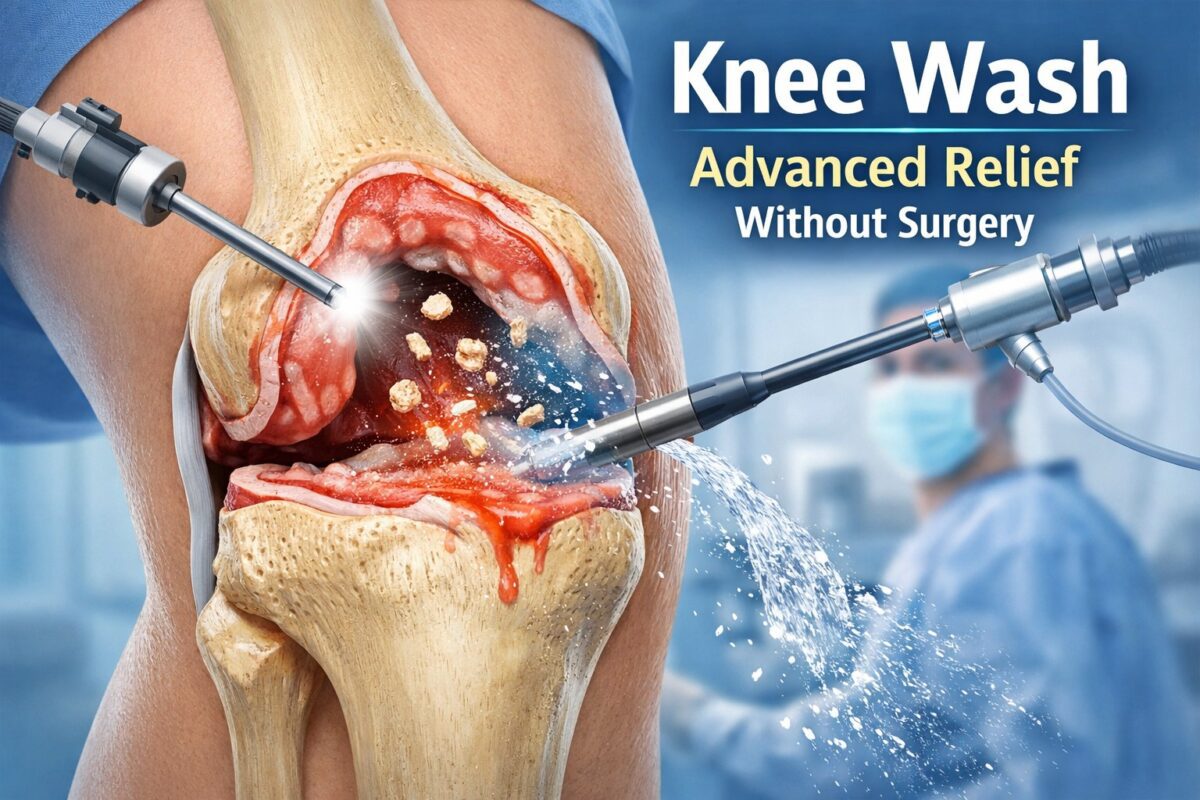
What is Knee Wash (Joint Lavage)?

Knee wash, medically known as joint lavage or arthroscopic lavage/debridement, is a procedure designed to clean the knee joint from within. Over time, the knee joint can accumulate inflammatory fluid, cartilage debris, calcium crystals, and other waste particles that cause pain and restrict movement. During the knee wash treatment, a sterile solution is used to flush out these irritants and debris from the joint space. This cleaning process helps reduce inflammation, removes mechanical irritants, and creates a healthier environment for the joint to heal naturally. The procedure is typically performed using arthroscopy—a technique that involves small incisions, making it far less invasive than traditional open surgery.

Who Needs a Knee Wash?

Knee joint cleaning is particularly beneficial for patients experiencing:

  • Osteoarthritis of Knee, causing pain and disability
  • Persistent knee pain that hasn’t responded to medications or physiotherapy
  • Loose debris and fragments in the joint
  • Inflammatory arthritis with fluid accumulation
  • Post-injury knee swelling that limits movement
  • Patients looking to delay or avoid knee replacement surgery

This non-surgical knee pain treatment is ideal for individuals who want relief without committing to major surgical intervention. However, a thorough evaluation by an experienced orthopedic surgeon is essential to determine if you’re a suitable candidate.

Benefits of Knee Wash Treatment

Procedure & Recovery

One of the greatest advantages of knee wash treatment is its minimally invasive nature. The procedure can be mostly performed under local anesthesia and takes approximately 30-45 minutes. Using arthroscopic technique, Dr. N. K. Aggarwal makes tiny incisions through which instruments are inserted to clean the joint thoroughly.

Most patients can return home the same day, making it a convenient day-care procedure. Recovery is relatively quick—many individuals resume normal routines within 2-3 days. Post-procedure physiotherapy is often recommended to maximize benefits and strengthen the surrounding muscles.

Why Choose N.K. Aggarwal Joints and Spine Centre in Ludhiana?

When it comes to knee pain treatment in Ludhiana, experience and expertise matter immensely. Dr. N. K. Aggarwal brings years of specialized training and a patient-first philosophy to every case. The centre is equipped with state-of-the-art arthroscopic technology, ensuring precision and safety during procedures.

As one of the best orthopedic hospitals in Ludhiana, N.K. Aggarwal Joints and Spine Centre is known for:

  • Comprehensive knee pain evaluation and diagnosis
  • Personalized treatment plans tailored to individual needs
  • Advanced minimally invasive techniques
  • Compassionate care and transparent communication
  • Excellent post-treatment support and rehabilitation guidance

Conclusion & Call to Action

Don’t let knee pain control your life. If conservative treatments haven’t provided relief, knee wash could be the solution you’ve been searching for. This safe, effective procedure offers a middle ground between medication and major surgery, giving your knees a fresh start.

Schedule a consultation with Dr. N.K. Aggarwal at N.K. Aggarwal Joints and Spine Centre in Ludhiana today. Let our expert team evaluate your condition and recommend the most appropriate treatment for lasting knee pain relief. Your journey toward pain-free mobility begins with one call.

Non Surgical Knee Pain Treatment in Ludhiana

Non Surgical Knee Pain Treatment in Ludhiana

Imagine climbing stairs without wincing, walking without limping, or playing with your grandchildren without that debilitating knee pain holding you back. For millions suffering from chronic knee conditions, these simple pleasures seem like distant dreams. But what if there was a way to reclaim your active lifestyle without going under the knife? At N.K. Aggarwal Joints and Spine Centre, we’ve revolutionized Knee pain treatment Ludhiana with a cutting-edge treatment protocol that harnesses the power of three advanced regenerative therapies: Ozone Therapy, Hyaluronic Acid, and Plasma Rich in Growth Factors (PRGF). This groundbreaking approach doesn’t just mask symptoms—it triggers your body’s natural healing cascade, offering patients a scientifically-proven, non-surgical pathway to lasting relief and restored mobility.

Understanding the Approach

Rather than relying on a single treatment modality, our protocol strategically combines therapies to address knee pain at multiple levels. This synergistic approach targets inflammation, promotes natural healing, and restores joint function progressively.

Stage 1: Ozone Therapy – Reducing Inflammation and Pain

Ozone therapy serves as the foundation of our treatment protocol. Medical-grade ozone, when injected into the knee joint, acts as a powerful anti-inflammatory agent. It works by:

  • Reducing oxidative stress and chronic inflammation
  • Improving oxygen delivery to damaged tissues
  • Stimulating the body’s natural healing mechanisms
  • Providing immediate pain relief in many patients

Ozone therapy prepares the joint environment for regenerative treatments, making it an ideal component of our comprehensive approach.

Stage 2: Hyaluronic Acid – Restoring Joint Lubrication

Along with ozone therapy, we introduce hyaluronic acid injections to address the mechanical aspects of knee dysfunction. Hyaluronic acid is a naturally occurring substance in healthy joints that acts as both a lubricant and shock absorber.

Benefits include:

  • Enhanced joint lubrication and smoother movement
  • Cushioning effect that reduces bone-on-bone friction
  • Protection of remaining cartilage from further degradation
  • Improved joint mobility and flexibility

This focuses on restoring the joint’s biomechanical function, allowing patients to move more comfortably as healing progresses.

Stage 3: PRGF – Accelerating Tissue Regeneration

This incorporates injections of Plasma Rich in Growth, harnessing your body’s own healing potential. PRGF is derived from your blood and contains concentrated growth factors that:

  • Stimulate cartilage and tissue regeneration
  • Promote the formation of new, healthy cells
  • Enhance blood flow to the affected area
  • Provide long-term healing and structural repair

This regenerative process addresses the root cause of degeneration, offering sustained improvement beyond symptom management.

Why the This Approach Works Better

The comprehensive methodology isn’t arbitrary—it’s strategically designed. By reducing inflammation with ozone, we create an optimal environment for hyaluronic acid to function effectively. As lubrication is restored and pain is managed, PRGF can work more efficiently to regenerate damaged tissues. This approach produces superior outcomes compared to single-therapy treatments.

Who Can Benefit?

This comprehensive protocol is particularly effective for patients suffering from:

  • Osteoarthritis of the knee
  • Degenerative joint disease
  • Chronic knee pain resistant to conventional treatments
  • Post-injury joint dysfunction
  • Age-related cartilage wear

Dr. N. K. Aggarwal Advantage

At N. K. Aggarwal Joints and Spine Centre, we believe in personalized care. Each patient receives a customized treatment plan based on their specific condition, severity of symptoms, and overall health profile. Our experienced team monitors progress at each stage, ensuring optimal results.

Most importantly, this approach offers a minimally invasive alternative to surgery, with shorter recovery times, lower risks, and the ability to return to daily activities more quickly.

Take the First Step Toward Pain-Free Living

If chronic knee pain is holding you back, our advanced stage-wise therapy combining ozone, hyaluronic acid, and PRGF could be your solution. Don’t let knee pain define your life—discover how regenerative medicine can restore your mobility and quality of life.

Contact N. K. Aggarwal Joints and Spine Centre today to schedule a consultation and learn if this innovative treatment protocol is right for you.

References Link

  1. Efficacy and safety of ozone therapy for knee osteoarthritis: umbrella review https://pmc.ncbi.nlm.nih.gov/articles/PMC10912569/
  2. Effects of oxygen-ozone therapy in knee osteoarthritis: systematic review https://pubmed.ncbi.nlm.nih.gov/40452464/
  3. Efficacy of intra-articular ozone injection for chronic knee pain https://pubmed.ncbi.nlm.nih.gov/36239567/
  4. Role and effectiveness of intra-articular hyaluronic acid injection https://pmc.ncbi.nlm.nih.gov/articles/PMC9135165/
  5. Effectiveness and utility of hyaluronic acid in osteoarthritis https://pmc.ncbi.nlm.nih.gov/articles/PMC4469223/
  6. Efficacy and safety of repeated courses of hyaluronic acid injections https://pubmed.ncbi.nlm.nih.gov/29496227/
  7. Intra-Articular Hyaluronic Acid: A Systematic Umbrella Review https://www.mdpi.com/2077-0383/14/4/1272
  8. PDGF as biomarker of clinical outcome for platelet therapy https://pmc.ncbi.nlm.nih.gov/articles/PMC11954473/
  9. Treatment of knee osteoarthritis: PDGF vs. hyaluronic acid RCT https://pubmed.ncbi.nlm.nih.gov/28783969/
  10. PRP-derived growth factor vs hyaluronic acid: one year clinical trial https://pmc.ncbi.nlm.nih.gov/articles/PMC7354951/


Advanced PDGF Therapy for Knee Pain

Platelet-Derived Growth Factor (PDGF) Treatment for Knee Pain: Advanced Regenerative Therapy by Dr. N.K. Aggarwal

Leading the Way in Non-Surgical Knee Pain Solutions

Knee pain has become one of the most debilitating conditions affecting people across all age groups—from young athletes dealing with sports injuries to older adults struggling with osteoarthritis. At N.K. Aggarwal Joints and Spine Centre, Dr. N. K. Aggarwal understands that knee pain isn’t just about discomfort; it’s about losing the freedom to live life on your terms.While conventional treatments often provide only temporary relief and surgery seems like the inevitable next step, Dr. Aggarwal brings hope through advanced regenerative medicine. With his expertise in cutting-edge orthopedic therapies, he now offers Platelet-Derived Growth Factor (PDGF) treatment a revolutionary, non-surgical approach that harnesses your body’s natural healing power to address knee pain at its source. It is usually combined with additional non surgical treatments, like Arthroscopic knee lavage to remove the debris and  reduce  the inflammatory load, Hyaluronic acid injection and intra articular Ozone injections. These procedures are complimentary to each other and help maximize the benefits of the treatment, making it more efficacious and long lasting.

What is Platelet-Derived Growth Factor (PDGF)?

Platelet-Derived Growth Factor is a powerful, naturally occurring protein found in your blood platelets that plays a vital role in tissue healing and regeneration. Think of PDGF as your body’s biological repair signal—it tells your cells to spring into action, repair damaged tissues, build new blood vessels, and regenerate healthy cartilage in your knee joint.

Dr. Aggarwal utilizes this remarkable healing substance by concentrating it from your own blood and delivering it precisely where your knee needs it most. This treatment works with your body’s natural biology, not against it, making it a safe and effective option for patients seeking alternatives to surgery.

How Dr. Aggarwal Uses PDGF Treatment for Knee Pain

At our clinic, Dr. Aggarwal employs a sophisticated approach to PDGF therapy. The treatment begins with drawing a small sample of your blood, which is then processed using specialized medical equipment to concentrate the growth factors to therapeutic levels. This platelet-rich concentrate is then carefully injected into your affected knee joint under precise guidance.

Once inside your knee, PDGF gets to work through multiple healing pathways:

  • Activates your body’s stem cells and repair cells to target the damaged area
  • Stimulates the growth of new blood vessels, enhancing circulation and nutrient supply
  • Encourages cartilage cells to produce healthy tissue matrix
  • Significantly reduces inflammation that causes pain and stiffness
  • Supports repair of damaged ligaments, tendons, and surrounding soft tissues
  • Creates an optimal healing environment within the joint

Remarkable Benefits of PDGF Treatment at Our Clinic

Dr. Aggarwal’s patients choosing PDGF therapy experience numerous advantages:

Natural & Safe: Uses your own biological materials, eliminating concerns about rejection or adverse reactions

Effective Pain Relief: Many patients report substantial reduction in knee pain within a few weeks of treatment

Restored Joint Function: Experience improved mobility, reduced stiffness, and the ability to return to activities you’ve been missing

Minimally Invasive Procedure: No surgical cuts, no general anesthesia, no hospital admission—just a simple office-based procedure

Minimal Downtime: Resume most daily activities within days, unlike the months of recovery required after knee surgery

Addresses Root Causes: Unlike pain medications that only mask symptoms, PDGF works to heal damaged tissues

Delay or Avoid Surgery: Many patients successfully postpone or completely avoid knee replacement surgery with timely PDGF treatment

Long-Term Results: Promotes lasting improvement by regenerating healthy tissue rather than providing temporary relief.


Who Can Benefit from PDGF Treatment?

Dr. Aggarwal may recommend PDGF therapy for patients experiencing:

  • Early to moderate knee osteoarthritis
  • Degenerative cartilage damage
  • Chronic knee pain unresponsive to medications and physical therapy
  • Meniscus injuries
  • Ligament sprains or tendon inflammation
  • Sports-related knee injuries
  • Patients looking to preserve their natural knee and avoid surgery

During your consultation, Dr. Aggarwal will conduct a thorough examination, review your imaging studies, and discuss your symptoms to determine if PDGF treatment is the ideal solution for your specific knee condition.

The PDGF Treatment Procedure at Our Clinic

Dr. Aggarwal has refined the PDGF treatment process to ensure patient comfort and optimal results:

  1. Comprehensive Consultation: Dr. Aggarwal personally evaluates your knee condition, reviews your medical history and any X-rays or MRI scans
  2. Blood Draw: A small amount of blood is collected from your arm—similar to a routine blood test
  3. Growth Factor Concentration: Your blood is processed in our clinic using advanced centrifuge technology to isolate and concentrate the PDGF
  4. Precise Injection: Dr. Aggarwal carefully injects the concentrated growth factors directly into your knee joint using image guidance for accuracy
  5. Post-Treatment Guidance: You receive clear instructions for activity modification and follow-up care
  6. Same-Day Discharge: The entire procedure takes less than an hour, and you walk out the same day

Why Choose Dr. N.K. Aggarwal for Your Knee Treatment?

Expertise You Can Trust: Dr. N.K. Aggarwal is a renowned orthopedic specialist, has worked at best centres around the world and has extensive experience in joint preservation and regenerative medicine. His deep understanding of knee biomechanics and commitment to staying updated with the latest treatment advances ensures you receive world-class care.

Advanced Regenerative Techniques: Our clinic is equipped with state-of-the-art technology for processing and administering PDGF therapy, ensuring optimal concentration and therapeutic effectiveness.

Personalized Treatment Approach: Dr. Aggarwal believes every patient is unique. He takes time to understand your specific condition, lifestyle needs, and treatment goals before recommending the best course of action.

Ethical & Honest Care: We recommend PDGF therapy only when it’s genuinely appropriate for your condition. Dr. Aggarwal provides transparent information about expected outcomes, helping you make informed decisions about your health.

Comprehensive Joint Care: Beyond PDGF treatment, our clinic offers a full spectrum of orthopedic services, ensuring continuity of care for all your joint and spine health needs.

Patient-Centered Practice: From your first consultation to post-treatment follow-ups, Dr. Aggarwal and his team are dedicated to your comfort, recovery, and long-term joint health.

Begin Your Journey to Pain-Free Knees

Living with knee pain shouldn’t be your reality. If you’re tired of temporary fixes and want to explore a treatment that promotes genuine healing, PDGF therapy with Dr. N.K. Aggarwal could be your answer.

Don’t let knee pain dictate your life any longer. Schedule a consultation with Dr. Aggarwal at N. K. Aggarwal Joints and Spine Centre today. During your visit, Dr. Aggarwal will personally assess your condition, answer all your questions, and discuss whether PDGF treatment is right for you.

Take the first step toward healthier, pain-free knees. Contact us now to book your appointment with Dr. N. K. Aggarwal.